

Back to catalogue
Hybrid Tea; THE FIRST HYBRID TEA IN THE HISTORY OF ROSE BREEDINGJean-Baptiste André Guillot fils; Lyon, 1867Pink

La France

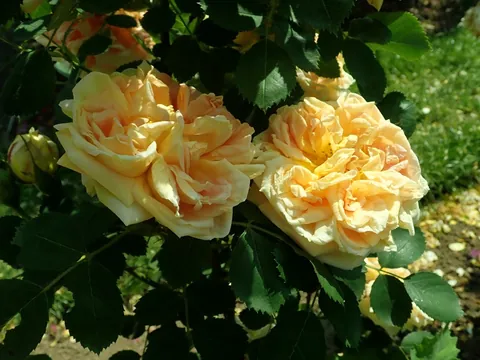
THE FIRST HYBRID TEA IN HISTORY — THE BIRTH OF THE MODERN ROSE!; 🇫🇷 bred by Jean-Baptiste André Guillot fils (Lyon, 1867) by chance among a batch of seedlings; silvery light pink with lilac shimmers, up to 60 petals; the Hybrid Tea class was officially recognised in the 1880s precisely thanks to La France; 159 years in cultivation; it combined Tea-type fragrance with Hybrid Perpetual-level abundance — a revolution.

BIRTH OF THE MODERN ROSE · the Hybrid Tea class was officially recognised in the 1880s thanks to La France

Variety profile

Flowering

REMONTANT — repeat flowering through the season — a revolutionary trait for 1867, which set La France apart from Old Garden Roses

Legacy

FIRST HT 1867

Created the Hybrid Tea class

Winter hardiness

−18 °C

USDA zone 7b. Ukraine South, without winter protection.

Compare reference temperatures

Plant size

120–150 × 90 cm
person 170 cm120–150 cm
Habit
Upright — a typical HT (the standard that La France set)
Dimensions
120–150 cm tall × 90 cm wide
Support
Not needed — self-supporting
Shoots
Medium stiffness
Branching
Moderately branching

Flower

≈ 9 cm

Up to 60 petals.

Bud shape
Long, pointed, silvery pink
Open flower
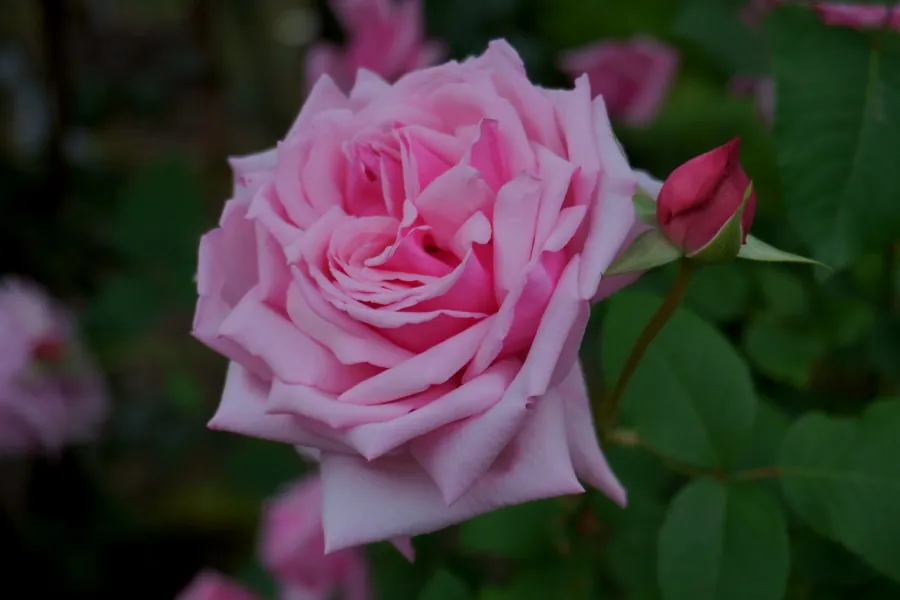
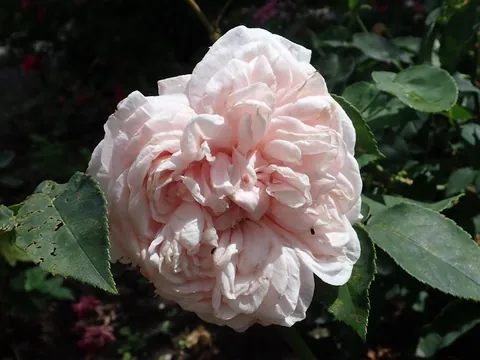
Globular double, high centre, with slightly reflexed outer petals: ~9 cm, up to 60 petals
Centre
Tightly packed, goblet-shaped
Fullness
Up to 60 petals (very full)
Flower carriage
Singly, on a long stem

Fragrance

Strong; sweet Damask with lemon

Strong sweet damask scent with lemony notes — one of the most fragrant varieties of its time.

Disease resistance

3 out of 5
Black spotsusceptible

Moderate, 3/5 — prone to fungal diseases (especially black spot); grows best in a dry, warm climate. USDA 7b-10 — Ukraine South without winter protection, Centre/North with winter protection required.

Sun

A dry, warm spot

Thorns

Moderate
thornlessfewmoderatemanyvery many

Medium number of thorns — typical for HTs.

Foliage

Green, typical of early HTs.

All characteristics in a table
Group
Hybrid Tea; THE FIRST HYBRID TEA IN THE HISTORY OF ROSE BREEDING
Breeder
Jean-Baptiste André Guillot fils; Lyon, France, 1867
Bud shape
Long, pointed, silvery pink
Open flower
Globular double, high centre, with slightly reflexed outer petals: ~9 cm, up to 60 petals
Centre
Tightly packed, goblet-shaped
Colour
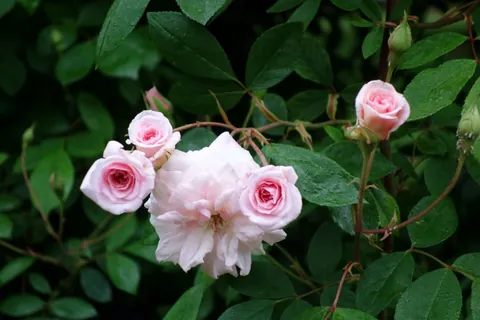
Silvery light pink with lilac shimmers; the reverse of the petal is deeper pink, giving a distinctive play of colour
Fullness
Up to 60 petals (very full)
Flower carriage
Singly, on a long stem
Flowering
REMONTANT — repeat flowering through the season — a revolutionary trait for 1867, which set La France apart from Old Garden Roses
Fragrance
Strong sweet damask scent with lemony notes — one of the most fragrant varieties of its time
Hips
Not documented — typically cut
Habit
Upright — a typical HT (the standard that La France set)
Branching
Moderately branching
Shoots
Medium stiffness
Thorns
Medium number of thorns — typical for HTs.
Dimensions
120–150 cm tall × 90 cm wide
Support
Not needed — self-supporting
Foliage
Green, typical of early HTs
Resistance
Moderate, 3/5 — prone to fungal diseases (especially black spot); grows best in a dry, warm climate. USDA 7b-10 — Ukraine South without winter protection, Centre/North with winter protection required
Variations of the variety
No official code (1867). Bred by Jean-Baptiste André Guillot fils (1827–1893) in Lyon. Parentage: officially 'seedling of Madame Falcot' (HelpMeFind); according to scientific work — possibly Madame Bravy × Victor Verdier. Guillot found it among a batch of RANDOM seedlings, not through a systematic cross — which is why it was hard to classify for a long time

Colour scheme

Silvery light pink with lilac shimmers; the reverse of the petal is a deeper pink, giving a distinctive play of colour

Rose neighbours

Perennials to plant nearby

Rose neighbours

Classic collection from the era that gave birth to the modern rose:

Companion perennials

Classic Victorian garden palette:

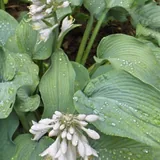
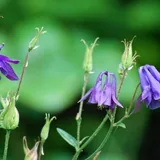
lavenderhostalady's mantle (Alchemilla mollis)columbine (Aquilegia)

Availability worldwide

⭐⭐⭐ Historic landmark in collections:

🇫🇷 France: moderate · Guillot's homeland🇬🇧 UK: moderate · old rose segment🇺🇸 USA: moderate · Antique Rose Emporium🇺🇦 Ukraine: rare · collector nurseries

More about the variety

Hips
Not documented — typically cut
Variations of the variety
No official code (1867). Bred by Jean-Baptiste André Guillot fils (1827–1893) in Lyon. Parentage: officially 'seedling of Madame Falcot' (HelpMeFind); according to scientific work — possibly Madame Bravy × Victor Verdier. Guillot found it among a batch of RANDOM seedlings, not through a systematic cross — which is why it was hard to classify for a long time

How to grow

Where to plant. As a 'genealogical' focal point in the collection, alongside all modern HTs; in a 'Victorian' corner with a nineteenth-century theme; by a bench, because of its strong lemon-damask fragrance; in collections of Old Garden Roses; not in damp spots — it is prone to leaf spot.

Climate. USDA 7b — Ukraine South without winter protection, Centre/North with winter protection required; a dry, warm spot is ideal.

Care. Full sun; prevention of black spot; feed 3× per season; prune by ⅓ in spring.

About the name

Name. 🇫🇷 'La France' = 'France'. A poetic, patriotic name — Guillot dedicated his revolutionary rose to his native country. In 1867, when France was preparing for the Universal Exhibition in Paris, La France became a symbol of the French breeding school.

Breeding. Bred by Jean-Baptiste André Guillot fils (1827–1893), son of the equally famous Jean-Baptiste Guillot père. Nursery in Lyon (France). Introduced 1867. Parentage officially: 'seedling of Madame Falcot' (HelpMeFind); according to scientific research — possibly Madame Bravy (Tea) × Victor Verdier (Hybrid Perpetual). GUILLOT FOUND IT BY CHANCE among a batch of seedlings, not through a systematic cross.

Significance. THE BIRTH OF THE MODERN ROSE: La France is generally recognised as the first Hybrid Tea rose in breeding history. Wikipedia: 'its appearance is considered the birth of the modern rose'. The Hybrid Tea class was officially recognised in the 1880s precisely thanks to La France. A revolutionary combination of two qualities: Tea-type fragrance (from Madame Bravy) + Hybrid Perpetual-type abundance of repeat flowering — such qualities had never before existed in one variety. All modern HT XX-XXI roses (Peace, Mister Lincoln, Crimson Glory, Elina, Touch of Class, Ingrid Bergman) are genetic descendants of La France. 159 years in cultivation without a break. NOT in the WFRS Old Rose Hall of Fame (checked against the official list at worldrose.org) — A HISTORICAL PARADOX: the variety that created the whole Hybrid Tea class is formally not inducted into the Hall of Fame. There are NO major international awards (in 1867 such medals did not yet exist).

Frequently asked questions about La France

Does La France need winter protection?

The cultivar’s reference temperature is −18 °C (USDA zone 7b). Overwintering depends on the conditions. Ukraine South, without winter protection.

How many times a season does La France flower?

REMONTANT — repeat flowering through the season — a revolutionary trait for 1867, which set La France apart from Old Garden Roses.

How big does La France grow?

120–150 cm tall, about 90 cm wide.

Which diseases affect La France?

Overall resistance: 3 out of 5. Prone to spotting in humid climates.

How much sun does La France need?

Sun; a dry, warm spot.

What does La France smell like?

Strong sweet damask scent with lemony notes — one of the most fragrant varieties of its time.

Gardeners' photos and reviews

My climate

Choose a reference temperature to compare with the cultivar’s data. This is not an overwintering forecast or advice on winter protection; consider wind, moisture and the duration of frost.

Regional data are generalised. USDA describes average annual extreme minima, not a forecast; the values in the list are rounded. Check the conditions at your site. More information: Roses in Ukraine's climate.