

Back to catalogue
Polyantha (Polyantha-China); WFRS Old Rose Hall of Fame 1988Marie Veuve Ducher, 1881Pink

Cécile Brünner

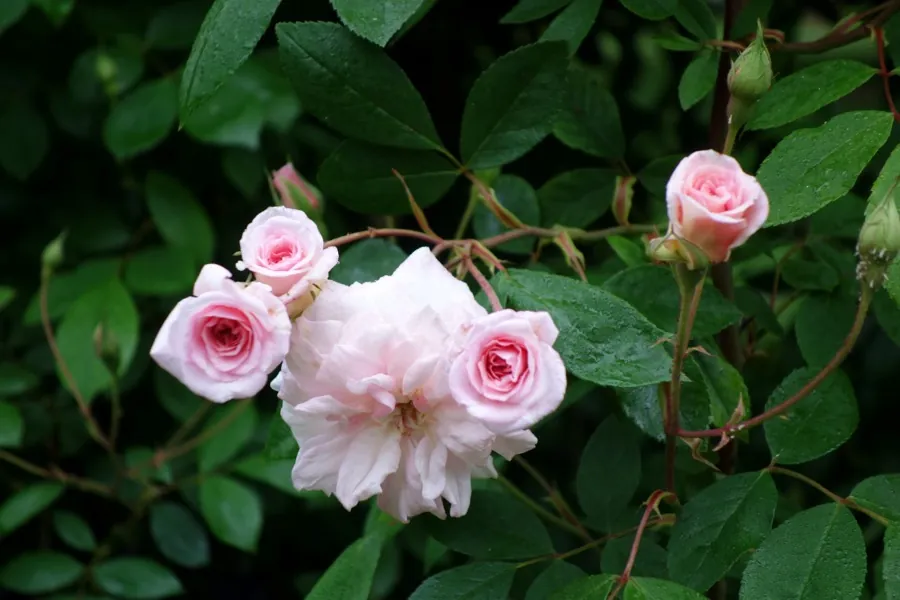
'SWEETHEART ROSE' — small (3-4 cm), perfectly high-centred buds in a MINIATURE HT form in full sprays; WFRS Old Rose Hall of Fame 1988 — the first class (together with Old Blush, Souvenir de la Malmaison, Gloire de Dijon); bred by Marie Veuve Ducher — her last work, introduced commercially by her son-in-law Joseph Pernet-Ducher; named after the daughter of the Swiss rose grower Ulrich Brünner; almost thornless; 145 years in cultivation.

WFRS Old Rose HoF 1988 (first cohort) · 'Sweetheart Rose' — the one worn in a buttonhole

Variety profile

Flowering

Continuous repeat flowering

Legacy

WFRS Old Rose HoF

1988 first cohort

Winter hardiness

−26 °C

USDA zone 5b. Central and southern Ukraine.

Compare reference temperatures

Plant size

60–120 × 60 cm
person 170 cm60–120 cm
Habit
Bush form 60-120 cm; there is a climbing form, Climbing Cécile Brünner (1894 sport by Franz P. Hosp, USA) — up to 6 m (20 ft)!
Dimensions
Bush: 60-120 cm high × 60 cm wide; climbing form up to 6 m
Support
As a bush it needs none; the climbing form — an arch or pergola
Shoots
Thin, flexible
Branching
Well branched

Flower

3-4 cm
Bud shape
SMALL PERFECTLY HIGH-CENTRED — miniature HT form
Open flower
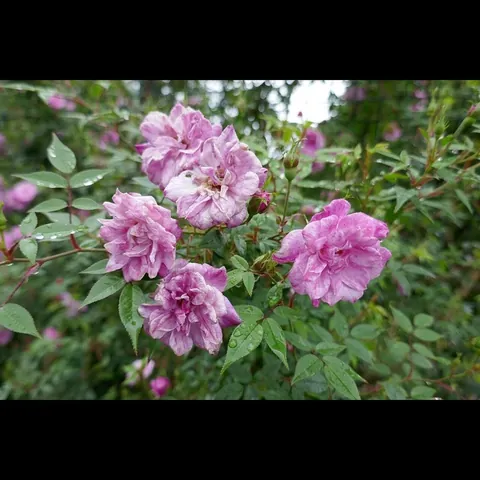
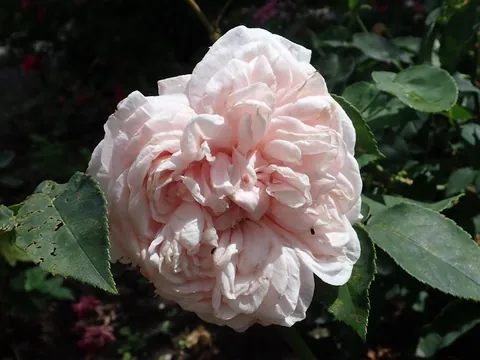
'perfect form in miniature': 3-4 cm, in full sprays. That is why it is called the 'sweetheart rose' — a single bloom was worn in a buttonhole
Centre
Tightly packed, goblet-shaped in miniature
Fullness
~25-30 petals in a miniature HT form
Flower carriage
In full sprays

Fragrance

Light-moderate; tea

Light-moderate, with a tea note.

Disease resistance

4 out of 5

Very good, 4/5 for its age (145+ years in commerce). USDA 5b-9 (to -26 °C) — central and southern Ukraine, no cover needed; light cover in the north; tolerates partial shade.

Sun

Sun + shade

Tolerates partial shade.

Thorns

Thornless
thornlessfewmoderatemanyvery many

Almost thornless — an important trait for cutting for buttonholes.

Foliage

Small, dark green.

Other names

Mlle Cécile Brunner, Sweetheart Rose, Malteser Rose, Mignon, The Maltese Rose
All characteristics in a table
Group
Polyantha (Polyantha-China); WFRS Old Rose Hall of Fame 1988
Breeder
Marie Veuve Ducher, France, 1881
Bud shape
SMALL PERFECTLY HIGH-CENTRED — miniature HT form
Open flower
'perfect form in miniature': 3-4 cm, in full sprays. That is why it is called the 'sweetheart rose' — a single bloom was worn in a buttonhole
Centre
Tightly packed, goblet-shaped in miniature
Colour
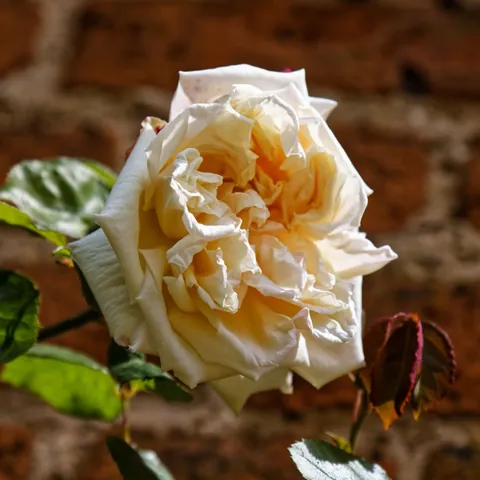
Delicate fresh pink (light pink / shell pink); half open — a warm peach-pink
Fullness
~25-30 petals in a miniature HT form
Flower carriage
In full sprays
Flowering
Continuous repeat flowering
Fragrance
Light-moderate, with a tea note
Hips
Small hips in autumn
Habit
Bush form 60-120 cm; there is a climbing form, Climbing Cécile Brünner (1894 sport by Franz P. Hosp, USA) — up to 6 m (20 ft)!
Branching
Well branched
Shoots
Thin, flexible
Thorns
Almost thornless — an important trait for cutting for buttonholes.
Dimensions
Bush: 60-120 cm high × 60 cm wide; climbing form up to 6 m
Support
As a bush it needs none; the climbing form — an arch or pergola
Foliage
Small, dark green
Resistance
Very good, 4/5 for its age (145+ years in commerce). USDA 5b-9 (to -26 °C) — central and southern Ukraine, no cover needed; light cover in the north; tolerates partial shade
Variations of the variety
No official code (historic, 1881). Breeder: Marie Veuve Ducher (France, Lyon) — her last and most outstanding work; bred before her death, introduced commercially by her son-in-law Joseph Pernet-Ducher (1881). Parentage: Rosa multiflora × Hybrid Tea ('Souvenir d'un Ami' or 'Madame de Tartas') — not historically documented precisely. Synonyms: Mlle Cécile Brunner, Sweetheart Rose, Malteser Rose, Mignon, The Maltese Rose

Colour scheme

Delicate fresh pink (light pink / shell pink); when half open — a warm peach-pink

Rose neighbours

Perennials to plant nearby

Neighbouring roses

⭐⭐⭐ All 5 WFRS Old Rose HoF together (first cohort 1988):

Companion perennials

Classic nineteenth-century palette:

lavenderhostalady's mantle (Alchemilla)columbine

Availability worldwide

⭐⭐⭐ One of the essential Old Garden Roses:

🇫🇷 France: high · homeland🇬🇧 UK: high · cottage-garden classic🇺🇸 USA: high · Antique Rose Emporium🇺🇦 Ukraine: moderate · collectors' nurseries

More about the variety

Hips
Small hips in autumn
Variations of the variety
No official code (historic, 1881). Breeder: Marie Veuve Ducher (France, Lyon) — her last and most outstanding work; bred before her death, introduced commercially by her son-in-law Joseph Pernet-Ducher (1881). Parentage: Rosa multiflora × Hybrid Tea ('Souvenir d'un Ami' or 'Madame de Tartas') — not historically documented precisely. Synonyms: Mlle Cécile Brunner, Sweetheart Rose, Malteser Rose, Mignon, The Maltese Rose

How to grow

Where to plant. In classic cottage gardens with a nineteenth-century feel; in Old Garden Roses collections; the climbing form on a wall or pergola (up to 6 m!); beside a bench for its delicate tea scent; under trees — tolerates partial shade; as the foreground of a mixed border.

Climate. Central and southern Ukraine, no cover needed (USDA 5b-9, to -26 °C); light cover in the north; tolerates partial shade.

Care. Minimal: sun or light shade; moderate prevention; feed 2× per season; prune weak shoots in spring.

About the name

Name. 'Cécile Brünner' — named after the daughter of the Swiss rose grower Ulrich Brünner from Lausanne. A personal dedication from the French breeder to the Swiss family of her colleague. The synonym 'Sweetheart Rose' = 'the beloved's rose' — by tradition in the XIX-XX centuries, a single small Cécile Brünner bloom was worn in a buttonhole on the lapel as a sign of love. Other synonyms: Mignon ('small, dear'), Malteser Rose / The Maltese Rose.

Breeding. Bred by Marie Veuve Ducher (France, Lyon) — the last and most outstanding work of this breeder. Marie Ducher was the widow (veuve, in French) of Jean-Claude Ducher; she continued the family business after his death. Cécile Brünner was introduced commercially after Marie's death by her son-in-law Joseph Pernet-Ducher (the same man who later created 'Soleil d'Or' in 1900 — the mother of all yellow roses!). Introduced 1881. Parentage: Rosa multiflora × Hybrid Tea ('Souvenir d'un Ami' or 'Madame de Tartas').

Significance. WFRS OLD ROSE HALL OF FAME 1988 — the first class, together with Old Blush, Souvenir de la Malmaison, Gloire de Dijon, Gruss an Teplitz. 'SWEETHEART ROSE' — a cultural phenomenon of the XIX-XX centuries: lovers traditionally wore a Cécile Brünner bloom in a buttonhole. A unique form — 'a perfect HT in miniature' (3-4 cm): a single flower has the full classic HT form in micro format. The 1894 Climbing-sport by Franz P. Hosp (USA) — up to 6 m, a separate popular climber. Marie Ducher – Pernet-Ducher – Soleil d'Or – the entire modern yellow pigment — a genealogical link to the most revolutionary variety of all time. Almost thornless — an important trait for cutting for buttonholes. Tolerates partial shade — a rarity among roses. 145+ years in cultivation without interruption. WFRS HoF year — 1988 (year of the award), not 1881 (year of introduction).

Frequently asked questions about Cécile Brünner

Does Cécile Brünner need winter protection?

The cultivar’s reference temperature is −26 °C (USDA zone 5b). Overwintering depends on the conditions. Central and southern Ukraine.

How many times a season does Cécile Brünner flower?

Continuous repeat flowering.

How big does Cécile Brünner grow?

60–120 cm tall, about 60 cm wide.

Which diseases affect Cécile Brünner?

Overall resistance: 4 out of 5. Very good for a 145-year-old variety.

How much sun does Cécile Brünner need?

Sun + shade; tolerates partial shade.

What does Cécile Brünner smell like?

Light-moderate, with a tea note.

Gardeners' photos and reviews

My climate

Choose a reference temperature to compare with the cultivar’s data. This is not an overwintering forecast or advice on winter protection; consider wind, moisture and the duration of frost.

Regional data are generalised. USDA describes average annual extreme minima, not a forecast; the values in the list are rounded. Check the conditions at your site. More information: Roses in Ukraine's climate.