Roza Book · companion card
Foxglove beside roses
Practical compatibility, planting, care and climate limits, without exaggerated promises.
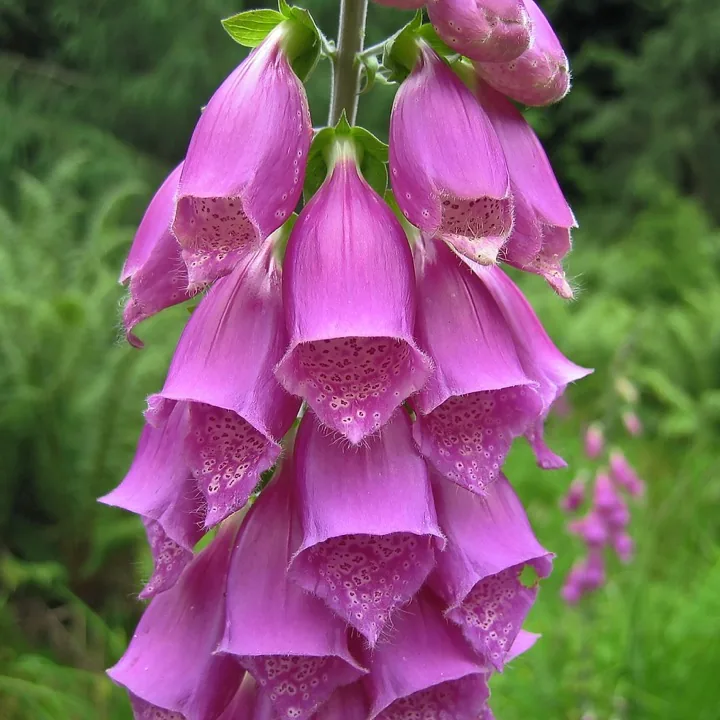
Why it makes a good neighbour
Tall foxglove bells create a light vertical backdrop for roses and work well in a cottage-style garden and in partial shade.
How to plant it beside a rose
Most garden foxgloves prefer rich, moderately moist but well-drained soil. Plant them behind or between large roses.
Choose a safe spot
Keep it away from children's play areas and vegetable beds.
Do not overcrowd
Leave air and clear access to the rose.
Keep moist, not boggy
Do not let young rosettes dry out.
Manage the seed
Leave some seed pods for renewal, or cut off self-sown seedlings.
For Ukraine and Europe
A short care calendar
Spring
Check the rosettes and remove damaged leaves.
Summer
Tie up tall stems; wear gloves when working.
Autumn and winter
Leave the self-sown seedlings you want, or remove the seed pods.
Roses in Roza Book's agreed pairings
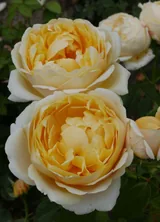
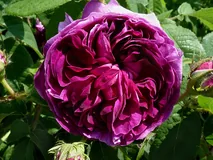
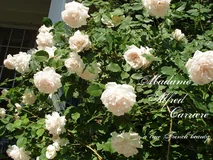
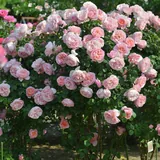
For Foxglove, 4 varieties are shown where this companion already appears in an agreed pairing. The caption repeats the actual colour palette from the rose card.
Harmony and contrastThe selection includes both related transitions and a more pronounced colour contrast.
Growing conditionsThe plant is poisonous; do not plant it where children or animals can reach it.
Why these varietiesEach pairing repeats a scheme already agreed in the rose card; random varieties were not added.
Source for verification
Basic requirements were checked against material from the Royal Horticultural Society. The practical placement beside a rose is worded separately and is not presented as a universal, strict rule.