

Back to catalogue
Shrub / FloribundaDelbard, 2002Pink

Dames de Chenonceau

Planted in the very grounds of the Château de Chenonceau; aniseed + citrus + raspberry – a rare fragrant palette.

Souvenir d'Amour series · Delbard

Variety profile

Flowering

Repeat, in flushes

Repeat-flowering, in flushes from late spring to the first frosts. Months are approximate, for the climate of Ukraine.

Awards

Chenonceau

Planted in the castle itself — a Delbard trademark

Winter hardiness

−20 °C

USDA zone 6b–9b. In Ukraine with winter protection in the northern regions.

Compare reference temperatures

Plant size

75–90 × 50–60 cm
person 170 cm75–90 cm
Habit
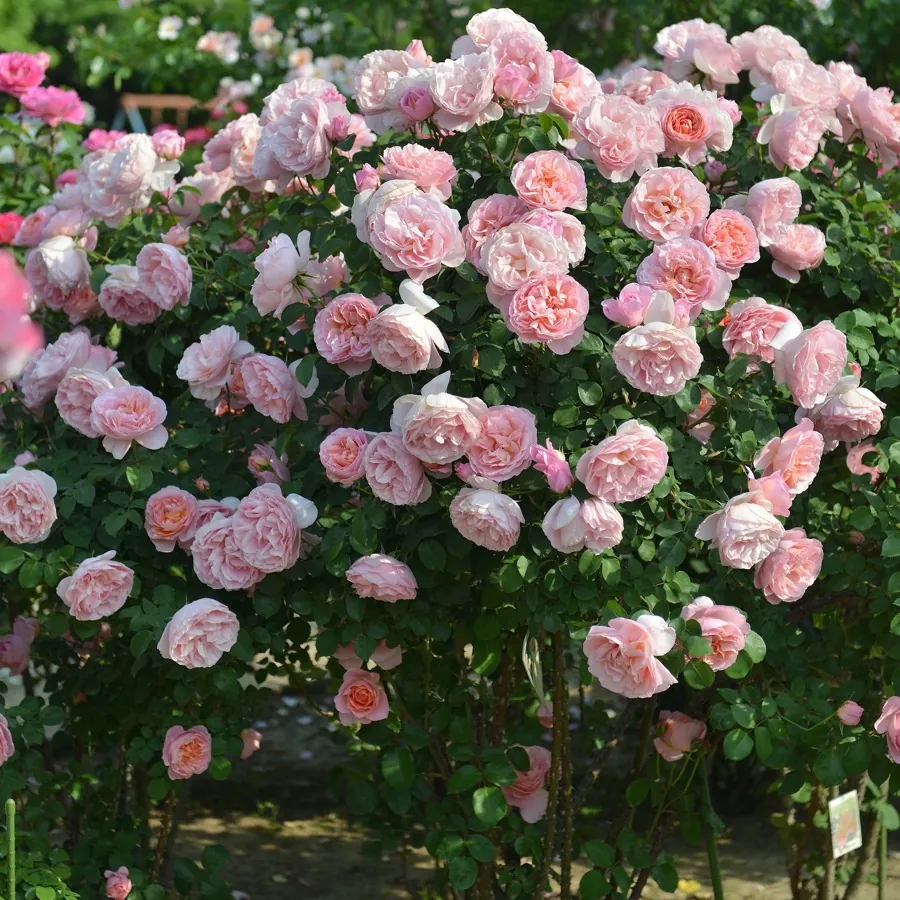
Compact upright shrub; with pruning it can be kept as a floribunda
Dimensions
75–90 cm tall × 50–60 cm wide; as a free-growing shrub – up to 120 cm
Support
Not needed
Shoots
Sturdy; they hold the peony-like flower clusters well
Branching
Good, the bush looks rounded

Flower

8–10 cm
Bud shape
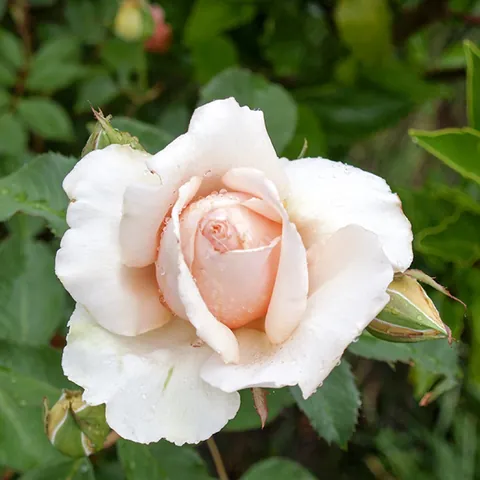
Round-conical, with a peach-warm tone
Open flower
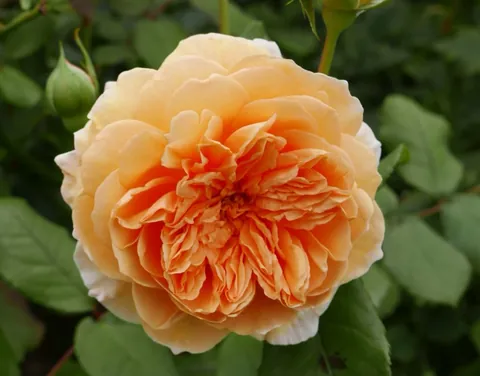
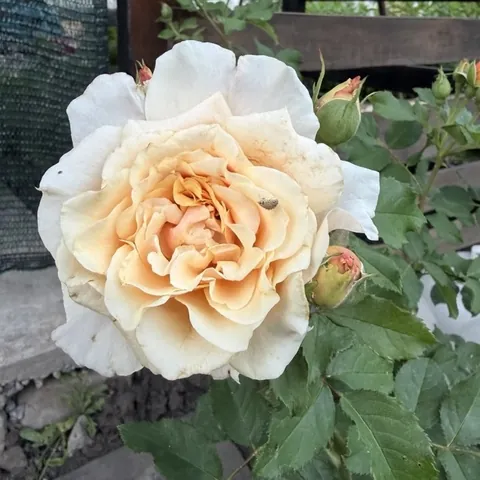
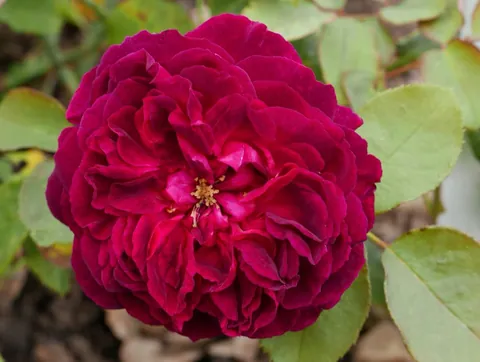
Cupped, peony-like, very double; diameter 8–10 cm
Centre
Dense heart with petal curls
Fullness
Very double, ~80 petals (very full)
Flower carriage
In clusters of 3–5 flowers per shoot – typical of floribunda

Fragrance

Strong

Medium–strong – a rare palette: aniseed + citrus + fruity with a note of raspberry.

Disease resistance

4 out of 5
Black spotresistantPowdery mildewresistant

Good against black spot and powdery mildew – typical Delbard.

Sun

Sun or partial shade

Full sun for abundant flowering; tolerates partial shade well.

Thorns

Moderate
thornlessfewmoderatemanyvery many

Moderately prickly.

Foliage

Dark green, semi-glossy.

Other names

Breeder's code DELpabra.

All characteristics in a table
Group
Shrub / Floribunda
Breeder
Delbard, 2002
Bud shape
Round-conical, with a peach-warm tone
Open flower
Cupped, peony-like, very double; diameter 8–10 cm
Centre
Dense heart with petal curls
Colour
Pale pink with an apricot/peach warm sheen; the petal edge is darker, with pink accents
Fullness
Very double, ~80 petals (very full)
Flower carriage
In clusters of 3–5 flowers per shoot – typical of floribunda
Flowering
Repeat-flowering, in flushes from late spring to the first frosts
Fragrance
Medium–strong – a rare palette: aniseed + citrus + fruity with a note of raspberry
Hips
Rarely sets hips
Habit
Compact upright shrub; with pruning it can be kept as a floribunda
Branching
Good, the bush looks rounded
Shoots
Sturdy; they hold the peony-like flower clusters well
Thorns
Moderately prickly.
Dimensions
75–90 cm tall × 50–60 cm wide; as a free-growing shrub – up to 120 cm
Support
Not needed
Foliage
Dark green, semi-glossy
Resistance
Good against black spot and powdery mildew – typical Delbard
Variations of the variety
The correct name is 'Dames de Chenonceau' (plural, ‘Ladies’), not ‘Dame’. In the diary and in legacy sources the incorrect spelling 'Dame de Chenonceau' appears

Colour scheme

Pale pink with an apricot/peach warm sheen; the petal edge is darker, with pink accents

Rose neighbours

Perennials to plant nearby

Neighbouring roses

A warm peach-apricot palette — and the parent variety of the 'château' style:

Companion perennials

French 'château' aesthetic — warm perennials + silvery grasses:

foxglove 'Sutton's Apricot'geum 'Mai Tai'catmint 'Walker's Low'feather grass (Stipa tenuissima)

Availability worldwide

A classic Delbard — widely sold across Europe:

  • 🇫🇷 Europe: Delbard · Famous Roses · Promesse de Fleurs
  • 🇺🇸 USA: Rogue Valley · Highgarden Roses
  • 🇨🇳 Asia: Chinese market, sold as '舍农索城堡的女人'
  • 🇺🇦 Ukraine: Capri-Flower · EDROSES · Proma · Blooming Garden

More about the variety

Hips
Rarely sets hips
Variations of the variety
The correct name is 'Dames de Chenonceau' (plural, ‘Ladies’), not ‘Dame’. In the diary and in legacy sources the incorrect spelling 'Dame de Chenonceau' appears

How to grow

Where to plant. A French ‘château’ garden, the front with low perennials, group plantings of 3–5 bushes; with its rare aniseed-citrus fragrance – next to paths where people often walk.

Climate. Down to −20 °C – in Ukraine with winter protection in the northern regions; in the south – no protection.

Care. Minimal thanks to the typical Delbard-quality. Removing spent flowers encourages new flushes; formative pruning in spring.

About the name

Name. After the ‘Castle of the Ladies’ (Château des Dames) – Chenonceau in the Loire Valley (France), where Diane de Poitiers, Catherine de' Medici and other legendary mistresses of French history lived. The castle stands on water across the River Cher; it was nicknamed ‘château des dames’ after six outstanding women owners. The plural 'Dames' honours all the legendary ladies, not one particular woman. Bred by Georges Delbard in France, 2002. Patent code DELpabra. It belongs to the Souvenir d'Amour series – a Delbard line dedicated to historic castles and figures. Parentage not officially disclosed.

Significance. The variety effectively grows in the garden of Chenonceau castle itself – a major commercial advantage. The rare aniseed-citrus palette and the peony-like form have made it a favourite for romantic borders. A classic example of French breeding of the 2000s that combines old forms with a healthy modern base.

Frequently asked questions about Dames de Chenonceau

Does Dames de Chenonceau need winter protection?

The cultivar’s reference temperature is −20 °C (USDA zone 6b–9b). Overwintering depends on the conditions. In Ukraine with winter protection in the northern regions.

How many times a season does Dames de Chenonceau flower?

Repeat-flowering, in flushes from late spring to the first frosts.

How big does Dames de Chenonceau grow?

75–90 cm tall, 50–60 cm wide.

Which diseases affect Dames de Chenonceau?

Overall resistance: 4 out of 5. Typical Delbard-quality; good resistance to black spot and powdery mildew.

How much sun does Dames de Chenonceau need?

Sun or partial shade; full sun for abundant flowering; tolerates partial shade well.

What does Dames de Chenonceau smell like?

Medium–strong – a rare palette: aniseed + citrus + fruity with a note of raspberry.

Gardeners' photos and reviews

My climate

Choose a reference temperature to compare with the cultivar’s data. This is not an overwintering forecast or advice on winter protection; consider wind, moisture and the duration of frost.

Regional data are generalised. USDA describes average annual extreme minima, not a forecast; the values in the list are rounded. Check the conditions at your site. More information: Roses in Ukraine's climate.