




Back to catalogue
Hybrid Tea; the benchmark classic red of the XX centuryHerbert C. Swim & O.L. Weeks; Conard-Pyle Co, 1964Red

Mister Lincoln

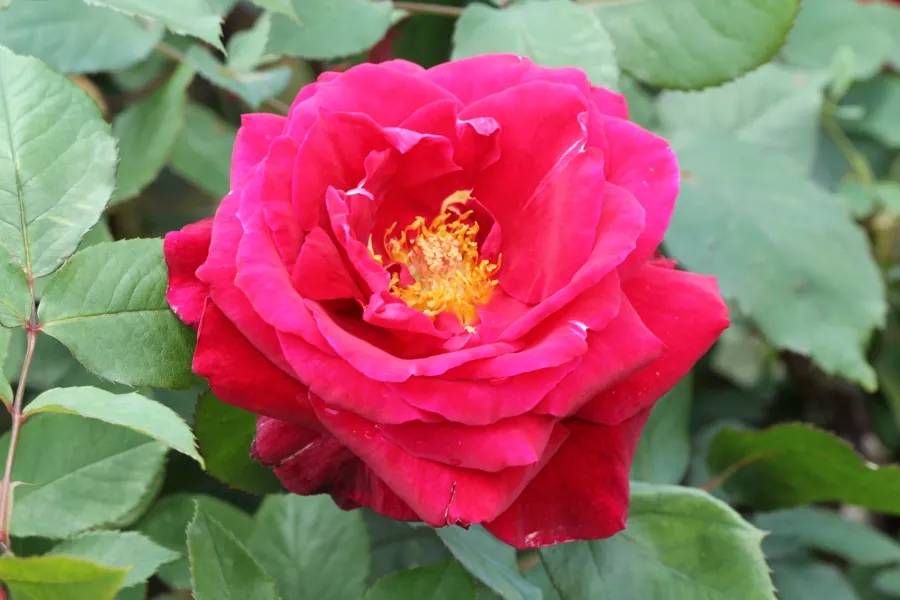
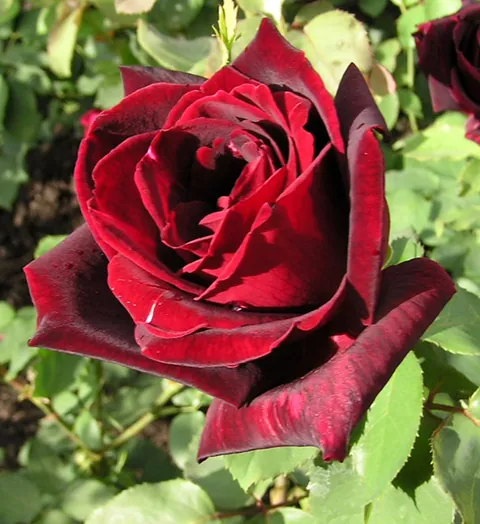
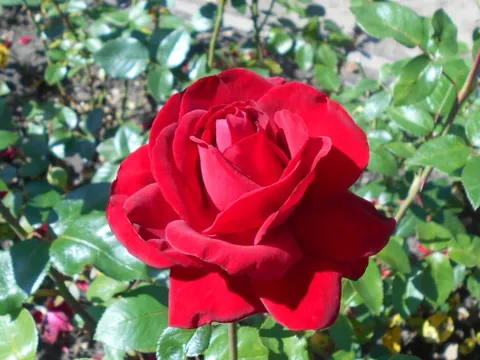
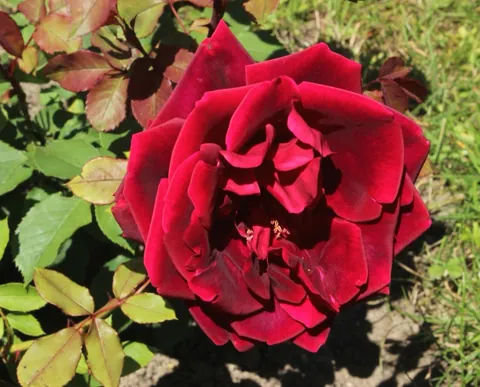
Deep bright red, velvety, DOES NOT FADE in the sun in the classic HT form up to 15 cm; AARS 1965 + Gamble Fragrance Medal 2003; 🇺🇸 named after Abraham Lincoln (16th president of the USA, 1809–1865); 'the rose for a beloved', the standard red rose for St Valentine's Day; parentage Chrysler Imperial × Charles Mallerin, genetically a descendant of Crimson Glory.

AARS 1965 + James Alexander Gamble Fragrance Medal 2003 · named after Abraham Lincoln, the 16th US president

Variety profile

Flowering

Once-flowering

Remontant, abundant from summer to autumn. Months are approximate, for the climate of Ukraine.

Legacy

AARS 65 + Gamble 03

Benchmark for red

Winter hardiness

−23 °C

USDA zone 5-9. Central and southern Ukraine.

Compare reference temperatures

Plant size

90–200 × 90 cm
person 170 cm90–200 cm
Habit
Tall and upright, a typical American HT of the 1960s
Dimensions
90–200 cm tall (usually 120–180) × about 90 cm wide, a tall bush
Support
Needs no support; the upright canes hold themselves up
Shoots
Sturdy and straight, good for cutting
Branching
Moderately branched

Flower

up to 15 cm
Bud shape
Long, pointed, dark red
Open flower
Very large, full, high-centred, opening into a cupped form: up to 15 cm (6"+), 26–40 petals
Centre
Tightly packed, goblet-shaped
Fullness
26–40 petals (full)
Flower carriage
Singly, on a long stem

Fragrance

Strong; classic damask; Gamble Medal 2003

STRONG DAMASK, one of the most fragrant red HTs. James Alexander Gamble Fragrance Medal 2003: the highest American ARS award for fragrance.

Disease resistance

3 out of 5
Black spotsusceptible

Moderate, 3/5. Heat-loving and heat-tolerant, but susceptible to black spot (blackspot). USDA 5–9: central and southern Ukraine without protection; in the north, protection is needed.

Sun

Heat-tolerant, does not fade

Thorns

Many
thornlessfewmoderatemanyvery many

Many thorns, typical of red HTs of the 1960s.

Foliage

Dark green, semi-matt.

All characteristics in a table
Group
Hybrid Tea; the benchmark classic red of the XX century
Breeder
Herbert C. Swim & O.L. Weeks; Conard-Pyle Co, USA, 1964
Bud shape
Long, pointed, dark red
Open flower
Very large, full, high-centred, opening into a cupped form: up to 15 cm (6"+), 26–40 petals
Centre
Tightly packed, goblet-shaped
Colour
Deep bright red, velvety: DOES NOT FADE IN THE SUN. A rare quality for red HTs, most of which dull and turn purplish in the heat.
Fullness
26–40 petals (full)
Flower carriage
Singly, on a long stem
Flowering
Remontant, abundant from summer to autumn
Fragrance
STRONG DAMASK, one of the most fragrant red HTs. James Alexander Gamble Fragrance Medal 2003: the highest American ARS award for fragrance.
Hips
Not documented; typically cut
Habit
Tall and upright, a typical American HT of the 1960s
Branching
Moderately branched
Shoots
Sturdy and straight, good for cutting
Thorns
Many thorns, typical of red HTs of the 1960s.
Dimensions
90–200 cm tall (usually 120–180) × about 90 cm wide, a tall bush
Support
Needs no support; the upright canes hold themselves up
Foliage
Dark green, semi-matt
Resistance
Moderate, 3/5. Heat-loving and heat-tolerant, but susceptible to black spot (blackspot). USDA 5–9: central and southern Ukraine without protection; in the north, protection is needed.
Variations of the variety
No official code. US Patent PP 2,370 (3 March 1964). Bred in 1964, introduced in 1965 through Conard-Pyle Co. Breeders: Herbert C. Swim & O.L. Weeks. Parentage: 'Chrysler Imperial' (Lammerts 1952) × 'Charles Mallerin' (Meilland 1947). Both parents are dark red HTs with a strong fragrance. Through 'Charles Mallerin' it is a direct descendant of Crimson Glory (Kordes 1935).

Colour scheme

Deep bright red, velvety. DOES NOT FADE IN THE SUN. A rare quality for red HTs, most of which dull and turn purplish in the heat.

Rose neighbours

Perennials to plant nearby

Neighbouring roses

A collection of classic red HT roses from the twentieth century:

Companion perennials

Cool violet-silver tones set off the red:

lavenderstachyslady's mantlesage

Availability worldwide

⭐⭐⭐ A bestseller among dark red HTs in the USA for over half a century:

🇺🇸 USA: very high · home country, AARS🇪🇺 Europe: high🇬🇧 UK: moderate🇺🇦 Ukraine: high · a classic gift rose

More about the variety

Hips
Not documented; typically cut
Variations of the variety
No official code. US Patent PP 2,370 (3 March 1964). Bred in 1964, introduced in 1965 through Conard-Pyle Co. Breeders: Herbert C. Swim & O.L. Weeks. Parentage: 'Chrysler Imperial' (Lammerts 1952) × 'Charles Mallerin' (Meilland 1947). Both parents are dark red HTs with a strong fragrance. Through 'Charles Mallerin' it is a direct descendant of Crimson Glory (Kordes 1935).

How to grow

Where to plant. For cutting, as the standard 'rose for a beloved' and St Valentine's Day rose; as a star accent in a bed; in the 'WFRS HoF collection' next to Papa Meilland and Ingrid Bergman; by a bench, because of its strong scent; in southern regions it copes well with heat.

Climate. Central and southern Ukraine without protection (USDA 5–9); it copes well with summer heat and does not fade.

Care. Full sun; prevention of black spot is essential; feed 3 times a season; prune by ⅓ in spring; water at the roots, not on the foliage.

About the name

Name. 🇺🇸 'Mister Lincoln', after Abraham Lincoln (1809–1865), the 16th president of the United States, who signed the Emancipation Proclamation (1863) and won the Civil War. One of the greatest presidents in US history. The poetic American dedication is typical of AARS-era varieties of the 1960s (Eisenhower, JFK).

Breeding. Bred by Herbert C. Swim (1907–1988) and O.L. Weeks at Conard-Pyle Co (West Grove, Pennsylvania, USA). US Patent PP 2,370 (3 March 1964). Bred in 1964, commercially introduced in 1965. Parentage: 'Chrysler Imperial' (Lammerts 1952) × 'Charles Mallerin' (Meilland 1947). Herbert Swim is the same breeder who created Sutter's Gold (1950, AARS 1950 and Gamble Medal), Mojave (1954 AARS) and Helen Traubel (1952 AARS).

Significance. AARS 1965 (All-America Rose Selections). The James Alexander Gamble Fragrance Medal 2003 is the highest American ARS award for fragrance and is given only once every few years. It places Mister Lincoln in the same class as Crimson Glory (1961), Sutter's Gold (1966), Tiffany, Fragrant Cloud, Double Delight and Papa Meilland. A best-selling dark red HT in the USA for more than half a century. 'The rose for a beloved' is the standard red rose for St Valentine's Day. DOES NOT FADE IN THE SUN, a rare quality for red HTs. Up to 15 cm, one of the largest HT flowers in history. A direct descendant of Crimson Glory (Kordes 1935) through 'Charles Mallerin', an inherited line of a legendary fragrance. ARS rating 8.3. NOT in the WFRS Hall of Fame. Susceptible to black spot and needs preventive treatment.

Frequently asked questions about Mister Lincoln

Does Mister Lincoln need winter protection?

The cultivar’s reference temperature is −23 °C (USDA zone 5−9). Overwintering depends on the conditions. Central and southern Ukraine.

How many times a season does Mister Lincoln flower?

Remontant, abundant from summer to autumn.

How big does Mister Lincoln grow?

90–200 cm tall, about 90 cm wide.

Which diseases affect Mister Lincoln?

Overall resistance: 3 out of 5. Susceptible to black spot.

How much sun does Mister Lincoln need?

Sun; heat-tolerant, does not fade.

What does Mister Lincoln smell like?

STRONG DAMASK, one of the most fragrant red HTs. James Alexander Gamble Fragrance Medal 2003: the highest American ARS award for fragrance.

Gardeners' photos and reviews

My climate

Choose a reference temperature to compare with the cultivar’s data. This is not an overwintering forecast or advice on winter protection; consider wind, moisture and the duration of frost.

Regional data are generalised. USDA describes average annual extreme minima, not a forecast; the values in the list are rounded. Check the conditions at your site. More information: Roses in Ukraine's climate.