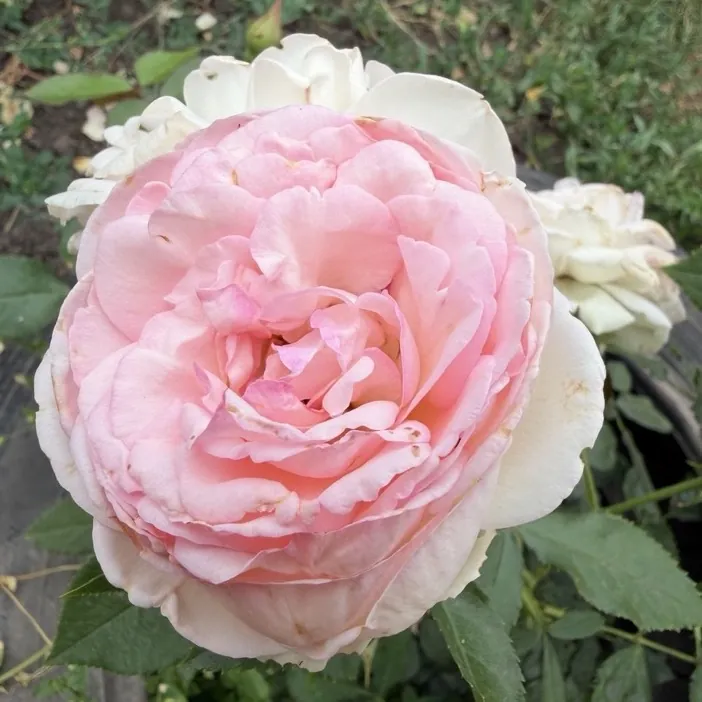
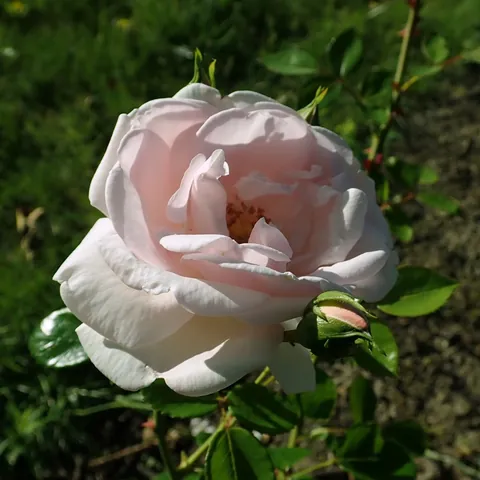
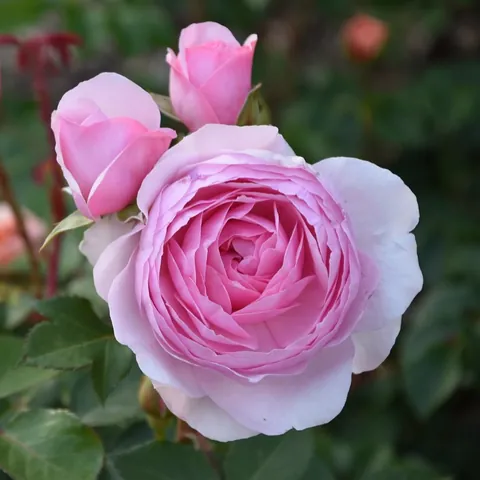
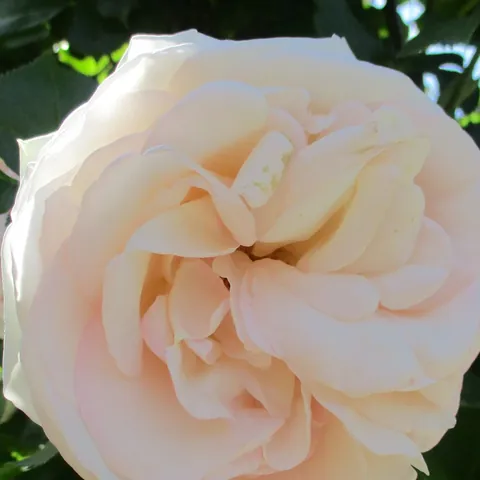
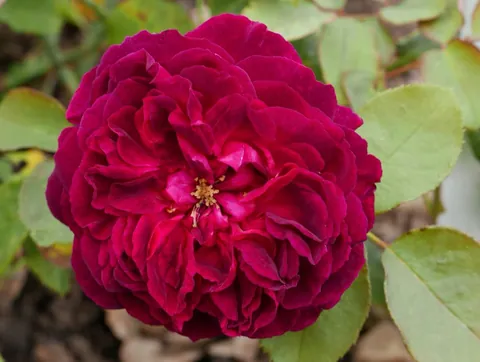


Pierre de Ronsard, close-up of the flower
Back to catalogue
Large-Flowered Climber; climber; romantic styleMarie-Louise Meilland; Meilland International, 1985White and cream

Pierre de Ronsard

The most popular climber in the world in the 2000s; WFRS Hall of Fame 2006; named after the French poet Pierre de Ronsard (1524–1585), marking the 400th anniversary of his death; the first climber with the look of an "English Rose" — before the appearance of Austin-climbers; Bagatelle Gold 1987 + Monza Gold 1988.

WFRS Hall of Fame 2006 · the first climber with the 'English Rose look'

Variety profile

Flowering

Repeat, in flushes

Generously repeat flowering from June to the first frosts, with a pronounced first wave. Months are approximate, for the climate of Ukraine.

Legacy

WFRS HoF 2006

Bagatelle 1987 · Monza 1988

Winter hardiness

−26 °C

USDA zone 5b–9b. All of Ukraine without cover.

Compare reference temperatures

Plant size

250–350 × 150–200 cm
person 170 cm250–350 cm
Habit
A large repeat-flowering climber with flexible canes; can be trained as a large shrub without a support
Dimensions
2.5–3.5 m high × 1.5–2 m wide — a large climber for arches, pergolas and walls
Support
Recommended: arch, pergola, trellis, wall; can be trained as a large shrub without a support
Shoots
Flexible, train well on a support; easily trained horizontally for maximum flowering
Branching
Well branched, with strong main canes and flexible side shoots

Flower

≈ 10 cm

55–65 petals.

Bud shape
Round, creamy white with pink edges
Open flower
Very double cupped-rosette "English Rose look": 55–65 petals, romantic form; the first climber with this look, before the appearance of Austin-climbers
Centre
Densely packed with "quartered" curled petals
Fullness
55–65 petals — very full, typical of the romantic form
Flower carriage
In dense clusters of 3–5 flowers on side shoots

Fragrance

Weak

Weak (2/5) — this is the variety's weak point, its only notable compromise.

Disease resistance

5 out of 5

Maximum 5/5: very high disease resistance; resistant to heat and rain — a rare combination among climbers.

Sun

Sun + shade

Full sun or light shade.

Thorns

Moderate
thornlessfewmoderatemanyvery many

Moderate number of prickles — typical of Meilland-climbers.

Foliage

Dark green, glossy — a good contrast to the pastel flowers.

Other names

Eden Rose 85, Eden, Eden Climber
All characteristics in a table
Group
Large-Flowered Climber; climber; romantic style
Breeder
Marie-Louise Meilland; Meilland International, France, 1985
Bud shape
Round, creamy white with pink edges
Open flower
Very double cupped-rosette "English Rose look": 55–65 petals, romantic form; the first climber with this look, before the appearance of Austin-climbers
Centre
Densely packed with "quartered" curled petals
Colour
Creamy-white centre with carmine-pink edges: a "rose within a rose" effect with a striking colour transition. In cool weather the pink is richer; in the heat it is lighter
Fullness
55–65 petals — very full, typical of the romantic form
Flower carriage
In dense clusters of 3–5 flowers on side shoots
Flowering
Generously repeat flowering from June to the first frosts, with a pronounced first wave
Fragrance
Weak (2/5) — this is the variety's weak point, its only notable compromise
Hips
Not documented — cut for repeat flowering
Habit
A large repeat-flowering climber with flexible canes; can be trained as a large shrub without a support
Branching
Well branched, with strong main canes and flexible side shoots
Shoots
Flexible, train well on a support; easily trained horizontally for maximum flowering
Thorns
Moderate number of prickles — typical of Meilland-climbers.
Dimensions
2.5–3.5 m high × 1.5–2 m wide — a large climber for arches, pergolas and walls
Support
Recommended: arch, pergola, trellis, wall; can be trained as a large shrub without a support
Foliage
Dark green, glossy — a good contrast to the pastel flowers
Resistance
Maximum 5/5: very high disease resistance; resistant to heat and rain — a rare combination among climbers
Variations of the variety
Code MEIviolin. Synonyms: Eden Rose 85, Eden, Eden Climber — the year "85" was added to distinguish it from the earlier Eden Rose Meilland of 1950. Bred 1976, introduced 1985. Parentage: (Danse des Sylphes × Händel) × Pink Wonder, Cl.

Colour scheme

Creamy-white centre with carmine-pink edges: a "rose within a rose" effect with a striking colour transition. In cool weather the pink is richer; in the heat it is lighter

Rose neighbours

Perennials to plant nearby

Neighbouring roses

The climber and romantic family creates an 'arch gallery':

Companion perennials

Shade-tolerant, light-green perennials at the foot of the climber:

lavenderlady's mantlehostagypsophila

Availability worldwide

⭐⭐⭐ The most popular climber worldwide in the 2000s:

  • 🇫🇷 France: very high · homeland
  • 🇪🇺 Europe: very high · standard romantic climber
  • 🇺🇸 USA: very high · as 'Eden Climber'
  • 🇺🇦 Ukraine: very high · all the major nurseries

More about the variety

Hips
Not documented — cut for repeat flowering
Variations of the variety
Code MEIviolin. Synonyms: Eden Rose 85, Eden, Eden Climber — the year "85" was added to distinguish it from the earlier Eden Rose Meilland of 1950. Bred 1976, introduced 1985. Parentage: (Danse des Sylphes × Händel) × Pink Wonder, Cl.

How to grow

Where to plant. On arches, pergolas, trellises — its main use; on walls and fences; as a large shrub without a support; ideal as a central romantic accent in the garden; perfect for "French" corners with a pastel palette.

Climate. All of Ukraine without cover (USDA 5b–9b); copes well with summer heat and rain — a rare combination among climbers.

Care. Full sun or light shade; a sturdy support is essential (horizontal training gives the best flowering); feed 2–3 times per season; prune by ⅓ in spring — remove old and weak canes; minimal disease prevention thanks to its high resistance.

About the name

Name. "Pierre de Ronsard" — after Pierre de Ronsard (1524–1585), a French Renaissance poet and leader of the poetic group "La Pléiade". Author of the famous poem "Mignonne, allons voir si la rose…" ("Darling, let us go and see whether the rose…"). Released for the 400th anniversary of the poet's death (1985). The name "Eden Rose 85" adds the year to distinguish it from the earlier Eden Rose Meilland of 1950. In the USA it is often sold as Eden Climber.

Breeding. Bred by Marie-Louise Meilland (daughter of Francis Meilland, the breeder of Peace) at Meilland International. Code MEIviolin. Hybridising 1976, introduction 1985. Parentage: (Danse des Sylphes × Händel) × Pink Wonder, Cl. — Händel and Pink Wonder are both climbers with a romantic form. Marie-Louise continued Meilland's work, a 3rd-generation representative of the dynasty.

Significance. WFRS Hall of Fame 2006 — one of the most important roses of our time. The first climber with the look of an "English Rose" — before the appearance of Austin-climbers (David Austin began breeding climbers in the 1990s). Pierre de Ronsard opened a new stylistic direction: the romantic climber. Bagatelle Gold Medal 1987 + Monza Gold Medal 1988 + American Garden Rose Selections. The best choice for a Ukrainian gardener among climbers for the balance of beauty, toughness and availability. The most popular climber in the world in the 2000s — sold in millions of bushes every year. Its weakness is a weak fragrance (2/5) — the only "price" paid for everything else.

Frequently asked questions about Pierre de Ronsard

Does Pierre de Ronsard need winter protection?

The cultivar’s reference temperature is −26 °C (USDA zone 5b–9b). Overwintering depends on the conditions. All of Ukraine without cover.

How many times a season does Pierre de Ronsard flower?

Generously repeat flowering from June to the first frosts, with a pronounced first wave.

How big does Pierre de Ronsard grow?

250–350 cm tall, 150–200 cm wide.

Which diseases affect Pierre de Ronsard?

Overall resistance: 5 out of 5. Very high; resistant to both heat and rain.

How much sun does Pierre de Ronsard need?

Sun + shade; full sun or light shade.

What does Pierre de Ronsard smell like?

Weak (2/5) — this is the variety's weak point, its only notable compromise.

Gardeners' photos and reviews

My climate

Choose a reference temperature to compare with the cultivar’s data. This is not an overwintering forecast or advice on winter protection; consider wind, moisture and the duration of frost.

Regional data are generalised. USDA describes average annual extreme minima, not a forecast; the values in the list are rounded. Check the conditions at your site. More information: Roses in Ukraine's climate.