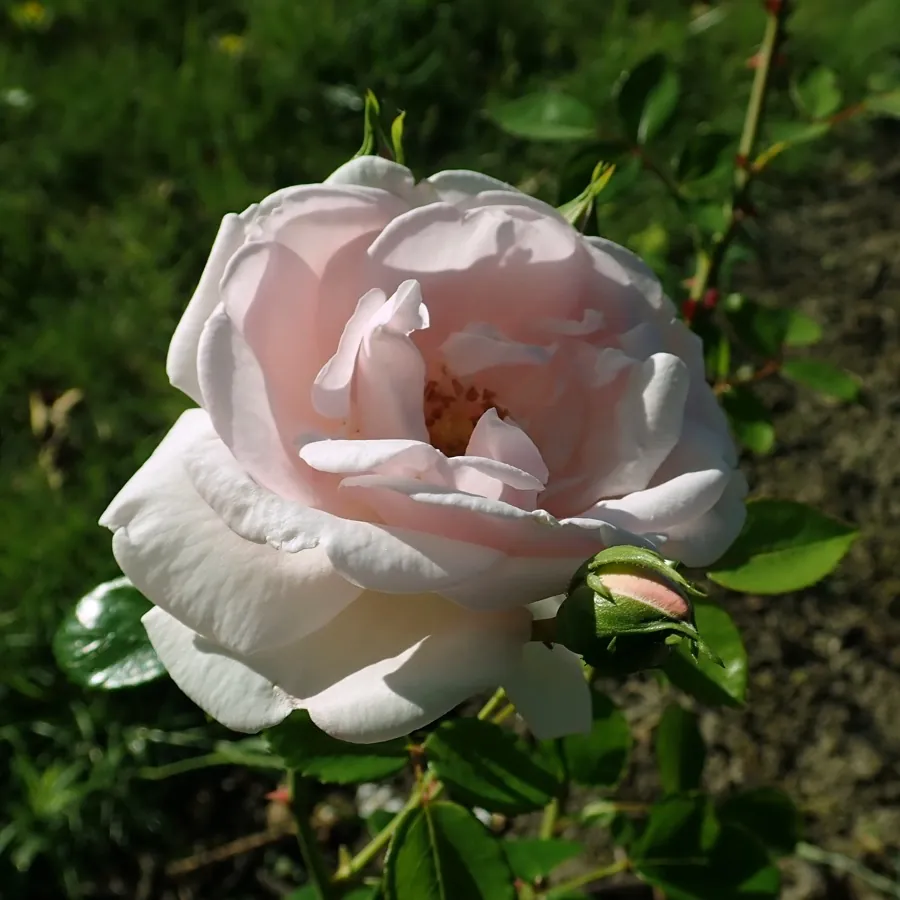




New Dawn, close-up of the flower
Back to catalogue
Large-Flowered Climber; repeat-floweringSomerset Rose Nursery / Henry Dreer, 1930Pink

New Dawn

🌅 One of the most important climbers of the twentieth century · ⭐ WFRS Hall of Fame 1997 · ⭐ RHS Award of Garden Merit · ⭐ U.S. Plant Patent No. 1 (1931) — literally the first plant patent in US history · 🌸 soft pink repeat-flowering climber, up to 3 m tall · 🇺🇦 widely grown throughout Ukraine.

Variety profile

Flowering

Repeat, in flushes

Generously repeat-flowering — first flush in June, then in flushes until October; for the older climbers this was exceptionally rare. Months are approximate, for the climate of Ukraine.

Winter hardiness

−34 °C

USDA zone 5. All of Ukraine without winter protection; a benchmark for hardiness.

Compare reference temperatures

Plant size

300 × 500 cm
person 170 cm300 cm
Habit
A large climbing rose with long, flexible canes
Dimensions
Height up to 3 m, width up to 5 m — a large climber for arches, pergolas and walls
Support
Essential: an arch, pergola, trellis or wall; it fixes well to wooden supports
Shoots
Flexible; they need tying in, but are easy to guide horizontally along a support
Branching
Well branched, with sturdy main canes and flexible side shoots

Flower

8–10 cm
Bud shape
Conical, soft pink with a pearly sheen
Open flower
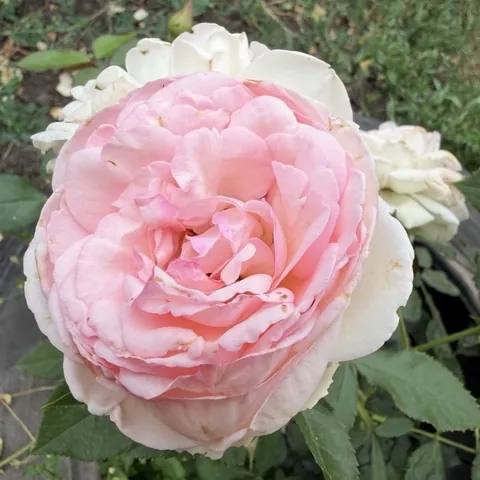
Semi-double: ~35 petals, with prominent yellow stamens in the centre — the classic 'cottage' form
Centre
Open, with bright golden-yellow stamens — the main visual feature
Fullness
~35 petals (semi-double) — typical of repeat-flowering climbers
Flower carriage
In clusters of 3–9 on side shoots — generous flowering

Fragrance

Moderate; fruity apple

Moderate fruity apple scent — the variety's signature, valued by lovers of traditional roses.

Disease resistance

4 out of 5
Black spotsusceptible

High, 4/5: 95 years of commercial cultivation around the world have confirmed its practical resistance. Moderate susceptibility to black spot.

Sun

Sun and shade

One of the few climbers that flowers in partial shade.

Foliage

Dark green, semi-glossy — good contrast to the soft pink flowers.

All characteristics in a table
Group
Large-Flowered Climber; repeat-flowering
Breeder
Somerset Rose Nursery / Henry Dreer, USA, 1930
Bud shape
Conical, soft pink with a pearly sheen
Open flower
Semi-double: ~35 petals, with prominent yellow stamens in the centre — the classic 'cottage' form
Centre
Open, with bright golden-yellow stamens — the main visual feature
Colour
Soft pink with a pearly sheen, fading to creamy pink with age. Stable in sun. The colour is brighter in spring and autumn
Fullness
~35 petals (semi-double) — typical of repeat-flowering climbers
Flower carriage
In clusters of 3–9 on side shoots — generous flowering
Flowering
Generously repeat-flowering — first flush in June, then in flushes until October; for the older climbers this was exceptionally rare
Fragrance
Moderate fruity apple scent — the variety's signature, valued by lovers of traditional roses
Hips
Noticeable red hips; they ripen well in autumn and can be left for decoration
Habit
A large climbing rose with long, flexible canes
Branching
Well branched, with sturdy main canes and flexible side shoots
Shoots
Flexible; they need tying in, but are easy to guide horizontally along a support
Number of thorns
Moderate — the long canes carry enough thorns that you need thick gloves when tying them in
Dimensions
Height up to 3 m, width up to 5 m — a large climber for arches, pergolas and walls
Support
Essential: an arch, pergola, trellis or wall; it fixes well to wooden supports
Foliage
Dark green, semi-glossy — good contrast to the soft pink flowers
Resistance
High, 4/5: 95 years of commercial cultivation around the world have confirmed its practical resistance. Moderate susceptibility to black spot
Variations of the variety
Sport of Dr. W. Van Fleet (1910, Van Fleet) — a sport with repeat flowering. U.S. Plant Patent No. 1 (issued 18.08.1931, granted to Henry F. Bosenberg, Somerset Rose Nursery, New Jersey) — literally the first plant patent in US history, a precedent for US patent law on plants

Colour scheme

Soft pink with a pearly sheen, fading to creamy pink with age. Stable in sun. The colour is brighter in spring and autumn

Rose neighbours

Perennials to plant nearby

Rose neighbours

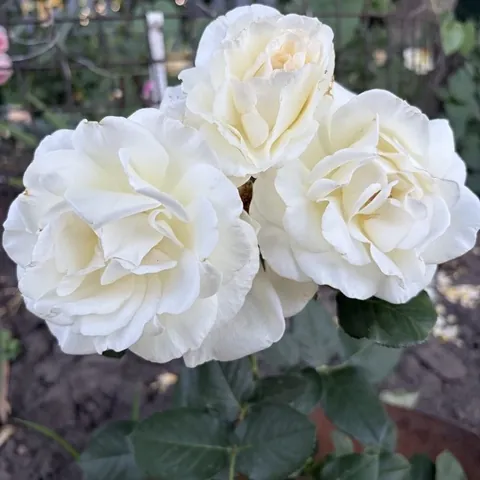
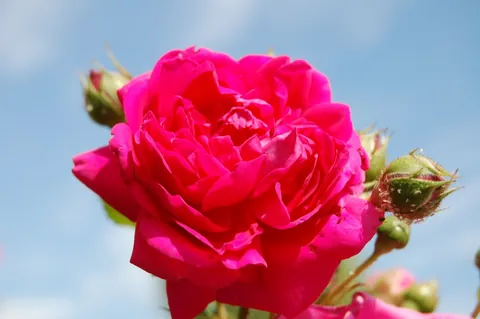
These are four climbing roses with different colours and flower forms. They need separate sections of a large support, not one shared, cramped arch.

Companion perennials

Lower plants work at the base of the support, but they are placed so they do not crowd the rose's root zone.

  • Lavender. Colour accent — lavender.
  • Lady's mantle (Alchemilla). Colour accent — lime green.
  • Hosta. Colour accent — green foliage.
  • Gypsophila. Colour accent — white.

More about the variety

Hips
Noticeable red hips; they ripen well in autumn and can be left for decoration
Variations of the variety
Sport of Dr. W. Van Fleet (1910, Van Fleet) — a sport with repeat flowering. U.S. Plant Patent No. 1 (issued 18.08.1931, granted to Henry F. Bosenberg, Somerset Rose Nursery, New Jersey) — literally the first plant patent in US history, a precedent for US patent law on plants

How to grow

Where to plant. On arches, pergolas, trellises, walls and fences; as a wide waterfall-like shrub on slopes (without support it sprawls); uniquely, it flowers well in partial shade, which is rare for climbers. A classic climber for English cottage gardens, but it suits any style.

Climate. All of Ukraine, no winter protection (USDA 5, down to −34 °C) — one of the hardiest climbers. Very reliable in a continental climate (Polissia, Carpathians).

Care. Full sun or partial shade; a sturdy support is essential; feed 2–3 times a season; prune ⅓ in spring — remove old and weak canes; train the canes horizontally for the best flowering; moderate susceptibility to black spot — good air circulation is recommended.

About the name

Name. 'New Dawn' — 'a new dawn'. A marketing name symbolising the start of a new era in rose breeding: the first repeat-flowering climber that blooms all summer (climbers used to flower only once). The name fits the variety's historic importance: the 'dawn' of modern repeat-flowering climbers.

Breeding. A spontaneous sport of Dr. W. Van Fleet (Van Fleet 1910), found at the Somerset Rose Nursery (New Jersey, USA) and by Henry F. Bosenberg. Introduced in 1930. Parentage (via Dr. W. Van Fleet): Rosa wichuraiana × Safrano × Souvenir du Président Carnot. The sport of Dr. W. Van Fleet is a repeat-flowering version with an identical appearance, but it flowers many times over the season.

Significance. U.S. Plant Patent No. 1 (issued 18.08.1931, to Henry F. Bosenberg) — literally the first plant patent in US history, a precedent for US patent law on plants, which began legal protection for plant breeding achievements in the USA. WFRS Hall of Fame 1997 — World Federation of Rose Societies, the highest global honour among roses. RHS Award of Garden Merit — practical British recognition. A global classic: over 95 years of commercial cultivation, it is the main climber in gardens around the world, from the USA to Japan. Uniquely, it is one of the few climbers that flowers in partial shade, which widens its use in shadier parts of the garden.

Frequently asked questions about New Dawn

Does New Dawn need winter protection?

The cultivar’s reference temperature is −34 °C (USDA zone 5). Overwintering depends on the conditions. All of Ukraine without winter protection; a benchmark for hardiness.

How many times a season does New Dawn flower?

Generously repeat-flowering — first flush in June, then in flushes until October; for the older climbers this was exceptionally rare.

How big does New Dawn grow?

About 300 cm tall, about 500 cm wide.

Which diseases affect New Dawn?

Overall resistance: 4 out of 5. High; proven by 95 years of cultivation.

How much sun does New Dawn need?

Sun and shade; one of the few climbers that flowers in partial shade.

What does New Dawn smell like?

Moderate fruity apple scent — the variety's signature, valued by lovers of traditional roses.

Gardeners' photos and reviews

My climate

Choose a reference temperature to compare with the cultivar’s data. This is not an overwintering forecast or advice on winter protection; consider wind, moisture and the duration of frost.

Regional data are generalised. USDA describes average annual extreme minima, not a forecast; the values in the list are rounded. Check the conditions at your site. More information: Roses in Ukraine's climate.