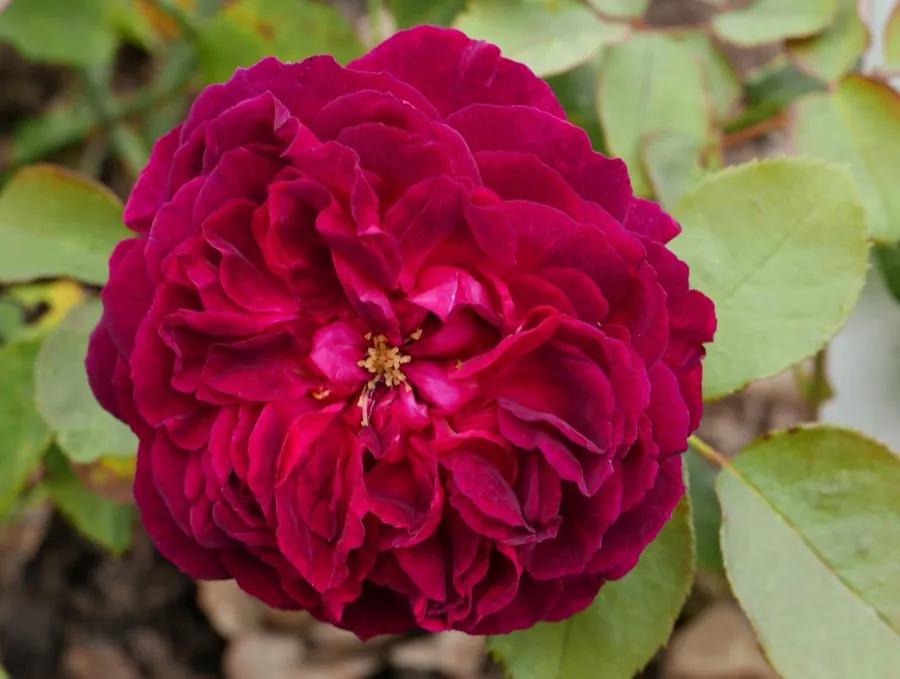
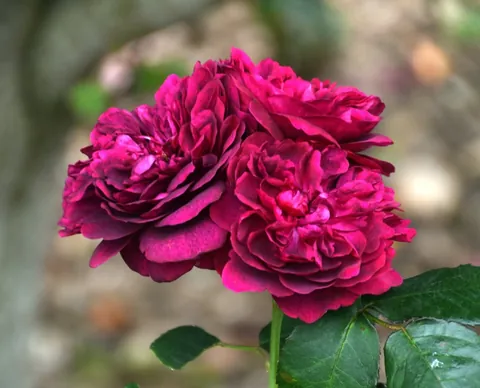




Munstead Wood, close-up of the flower
Back to catalogue
English ShrubDavid C. H. Austin Sr.; David Austin RosesRed

Munstead Wood

🍇 🏆 RHS AGM 2007 + AGRS Fragrance Award 2017 · ⭐ one of the best deep-raspberry Austins of the first decade of the 2000s · named after Gertrude Jekyll's house — we already have [[gertrude-jekyll|Gertrude Jekyll]] (WFRS World's Favourite Rose 2025!).

Variety profile

Flowering

Repeat-flowering

Winter hardiness

−20 °C

USDA zone 5b. RHS H6; all of Ukraine with moderate winter protection.

Compare reference temperatures

Plant size

90–110 × 90–110 cm
person 170 cm90–110 cm
Habit
Compact, densely branched English shrub
Dimensions
90–110 × 90–110 cm
Support
Needs no support
Shoots
Medium, sturdy, holding large flowers well
Branching
Dense, starting close to the base of the bush

Flower

9–10 cm
Bud shape
Round, saturated blood-red
Open flower
Classic cupped form with about 70–75 petals: the characteristic form of English Roses
Centre
Tightly packed, dark wine-red
Fullness
70–75 petals
Flower carriage
In clusters of several flowers per shoot

Fragrance

5/5; Old Rose + blueberry + blackberry + damson

5/5. A strong 'Old Rose' with clear fruity notes of blueberry, blackberry and damson. In 2017 it won the AGRS Fragrance Award.

Disease resistance

4 out of 5
Black spotresistantPowdery mildewresistantRustresistant

4/5. Good resistance to powdery mildew, downy mildew, blackspot and rust.

Sun

Full sun

Tolerates eastern or western exposure.

Foliage

Dark green, leathery, very healthy.

All characteristics in a table
Group
English Shrub
Breeder
David C. H. Austin Sr.; David Austin Roses, United Kingdom
Bud shape
Round, saturated blood-red
Open flower
Classic cupped form with about 70–75 petals: the characteristic form of English Roses
Centre
Tightly packed, dark wine-red
Colour
Dark crimson, 'deep velvety crimson': in the bud it is blood-red, and it opens into cupped flowers of a saturated blackcurrant shade; the outer petals are lighter.
Fullness
70–75 petals
Flower carriage
In clusters of several flowers per shoot
Flowering
Repeat-flowering
Fragrance
5/5. A strong 'Old Rose' with clear fruity notes of blueberry, blackberry and damson. In 2017 it won the AGRS Fragrance Award.
Hips
Not documented
Habit
Compact, densely branched English shrub
Branching
Dense, starting close to the base of the bush
Shoots
Medium, sturdy, holding large flowers well
Number of thorns
Medium: the variety is neither almost thornless nor strongly prickly
Dimensions
90–110 × 90–110 cm
Support
Needs no support
Foliage
Dark green, leathery, very healthy
Resistance
4/5. Good resistance to powdery mildew, downy mildew, blackspot and rust.
Names and differences
Selection code AUSbernard; not to be confused with Darcey Bussell or William Shakespeare 2000, which are separate varieties

Colour scheme

Dark crimson, 'deep velvety crimson': in the bud it is blood-red, and it opens into cupped flowers of a saturated blackcurrant shade; the outer petals are lighter.

Rose neighbours

Perennials to plant nearby

Rose neighbours

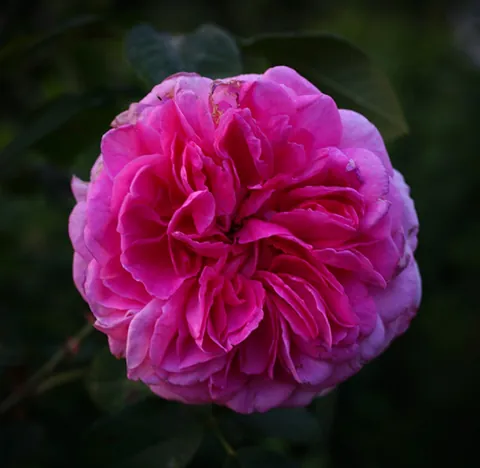
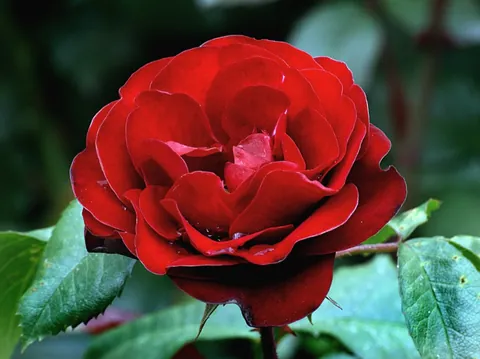
The selection pairs one English rose close in its dark palette with a taller pink rose with smaller, clustered flowers and a strictly upright Hybrid Tea form.

Companion perennials

Violet verticals, silver foliage, lime and white accents make the dark bush easier to read.

  • salvia 'Caradonna'. Colour accent — violet.
  • lamb's ear (Stachys byzantina). Colour accent — silver.
  • lady's mantle (Alchemilla mollis). Colour accent — lime green.
  • gypsophila (baby's breath). Colour accent — white.

More about the variety

Hips
Not documented
Names and differences
Selection code AUSbernard; not to be confused with Darcey Bussell or William Shakespeare 2000, which are separate varieties

How to grow

Where to plant. A specimen in a sunny spot, mono-varietal groups, showy borders; ideal as a duet with Gertrude Jekyll, as both are linked to Munstead Wood and Gertrude Jekyll.

Climate. Down to −20 °C (RHS H6); in Ukraine with moderate winter protection.

Care. A classic English Shrub; pruning in spring by a third of its height; removing spent flowers encourages new flushes.

About the name

Name. 'Munstead Wood', the house (1897) and garden (from 1883) of the legendary garden designer Gertrude Jekyll (1843–1932) in Surrey, England. The house was designed by Edwin Lutyens, later one of the best-known British architects. Gertrude Jekyll's garden at Munstead Wood is the cradle of the British 'cottage garden' style; the whole English gardening school of the XX century was influenced by it.

Breeding. Bred by David C. H. Austin Sr. (1926–2018) at David Austin Roses (Albrighton, England); bred in 1999, on the UK market in 2007 and in the USA in 2010. Code AUSbernard. US Patent PP 19,876. Parentage: two unnamed seedlings (Austin does not publish parentage).

Significance. RHS Award of Garden Merit 2007 and AGRS Fragrance Award 2017 (USA). One of the best deep crimson Austins of the first decade of the 2000s; a recognised benchmark for the 'deep crimson English Rose' class. It is the second rose in our catalogue linked to Gertrude Jekyll, next to Gertrude Jekyll itself (AUSbord, Austin 1986, WFRS World's Favourite Rose 2025). If Gertrude Jekyll is named after a person, Munstead Wood is named after her garden. It is often confused with Darcey Bussell or William Shakespeare 2000 (also dark Austins). The year is wrongly given as 2008; the correct dates are: bred in 1999, on the market in 2007.

Frequently asked questions about Munstead Wood

Does Munstead Wood need winter protection?

The cultivar’s reference temperature is −20 °C (USDA zone 5b). Overwintering depends on the conditions. RHS H6; all of Ukraine with moderate winter protection.

How many times a season does Munstead Wood flower?

Repeat-flowering.

How big does Munstead Wood grow?

90–110 cm tall, 90–110 cm wide.

Which diseases affect Munstead Wood?

Overall resistance: 4 out of 5. Good; against powdery mildew, blackspot and rust.

How much sun does Munstead Wood need?

Sun; full sun; tolerates eastern or western exposure.

What does Munstead Wood smell like?

5/5. A strong 'Old Rose' with clear fruity notes of blueberry, blackberry and damson. In 2017 it won the AGRS Fragrance Award.

Gardeners' photos and reviews

My climate

Choose a reference temperature to compare with the cultivar’s data. This is not an overwintering forecast or advice on winter protection; consider wind, moisture and the duration of frost.

Regional data are generalised. USDA describes average annual extreme minima, not a forecast; the values in the list are rounded. Check the conditions at your site. More information: Roses in Ukraine's climate.