


Back to catalogue
Hybrid Tea; modern fragrant hybrid teaChristian Bédard; Jackson & Perkins, 2009Pink

Pink Promise

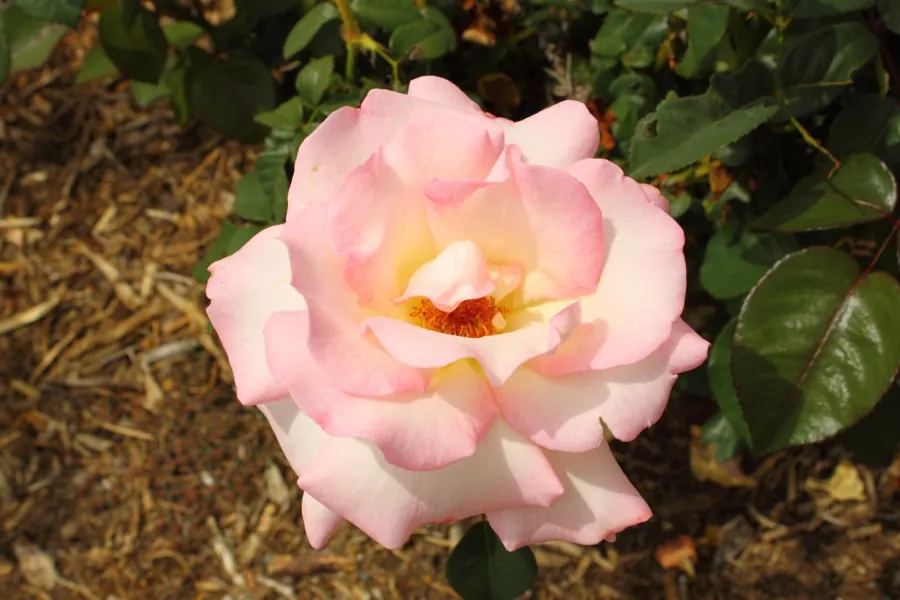
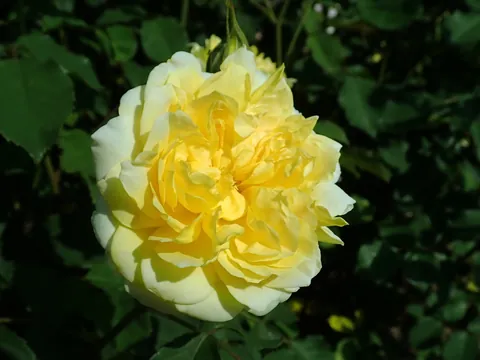
A strong soft-pink HT with a sweet fragrance; AARS 2009; a symbol of the National Breast Cancer Foundation — part of the sales goes to breast cancer research; bred by Christian Bédard for J&P; replaced the phantom "Pink Explorer" in the catalogue.

AARS 2009 · symbol of the National Breast Cancer Foundation

Variety profile

Flowering

Repeat, in flushes

Repeat flowering from June to October, with pronounced waves. Months are approximate, for the climate of Ukraine.

Legacy

AARS 2009

NBCF symbol · commemorative

Winter hardiness

−23 °C

USDA zone 6–10. All of Ukraine with light winter cover.

Compare reference temperatures

Plant size

120–150 × 60–80 cm
person 170 cm120–150 cm
Habit
Upright, tall HT
Dimensions
120–150 cm high × 60–80 cm wide — a tall HT
Support
Not needed — self-supporting
Shoots
Strong, straight — good for cutting on long stems
Branching
Well branched with strong stems

Flower

10–12 cm
Bud shape
Elongated-conical, soft pink
Open flower
A high cup of the classic HT form: 10–12 cm, slowly opening to a flat form
Centre
Densely packed with a pointed centre that opens slowly
Fullness
25–30 petals — a benchmark HT form
Flower carriage
Mostly singly on long stems — good for cutting

Fragrance

Moderate to strong; sweet

Moderate to strong sweet — typical of modern J&P HTs.

Disease resistance

4 out of 5

Good, 4/5 — typical of modern J&P roses; USDA 6-10.

Sun

Full sun

Colour stable.

Thorns

Moderate
thornlessfewmoderatemanyvery many

Moderate number of prickles — typical of modern HTs.

Foliage

Dark green, semi-glossy — a good contrast to the pastel flowers.

All characteristics in a table
Group
Hybrid Tea; modern fragrant hybrid tea
Breeder
Christian Bédard; Jackson & Perkins, USA, 2009
Bud shape
Elongated-conical, soft pink
Open flower
A high cup of the classic HT form: 10–12 cm, slowly opening to a flat form
Centre
Densely packed with a pointed centre that opens slowly
Colour
Soft pink ("soft pink") — stable in the sun, does not fade; in cool weather the pink is richer, in the heat it is lighter
Fullness
25–30 petals — a benchmark HT form
Flower carriage
Mostly singly on long stems — good for cutting
Flowering
Repeat flowering from June to October, with pronounced waves
Fragrance
Moderate to strong sweet — typical of modern J&P HTs
Hips
Not documented — cut for repeat flowering
Habit
Upright, tall HT
Branching
Well branched with strong stems
Shoots
Strong, straight — good for cutting on long stems
Thorns
Moderate number of prickles — typical of modern HTs.
Dimensions
120–150 cm high × 60–80 cm wide — a tall HT
Support
Not needed — self-supporting
Foliage
Dark green, semi-glossy — a good contrast to the pastel flowers
Resistance
Good, 4/5 — typical of modern J&P roses; USDA 6-10
Variations of the variety
Code JACpryrar. Breeder: Christian Bédard for Jackson & Perkins. Introduced 2009. Parentage not published (J&P breeding, a typical trade secret). The card replaced the phantom "Pink Explorer" in the catalogue — "Pink Explorer" could not be identified in HMF, nor in Interplant, nor in the Canadian Explorer-series

Colour scheme

Soft pink ("soft pink") — stable in the sun, does not fade; in cool weather the pink is richer, in the heat it is lighter

Rose neighbours

Perennials to plant nearby

Neighbouring roses

Fragrant pink HTs and Shrub roses create a 'perfume collection':

Companion perennials

Classic cottage palette for fragrant HTs:

lavenderlady's mantlewoundwortgypsophila

Availability worldwide

An American AARS variety with a popular social 'message':

🇺🇸 USA: very high · Regan, Heirloom, J&P🇨🇦 Canada: high🇪🇺 Europe: moderate🇺🇦 Ukraine: moderate · via J&P partners

More about the variety

Hips
Not documented — cut for repeat flowering
Variations of the variety
Code JACpryrar. Breeder: Christian Bédard for Jackson & Perkins. Introduced 2009. Parentage not published (J&P breeding, a typical trade secret). The card replaced the phantom "Pink Explorer" in the catalogue — "Pink Explorer" could not be identified in HMF, nor in Interplant, nor in the Canadian Explorer-series

How to grow

Where to plant. In fragrant borders, beside paths and benches to enjoy its sweet scent; as a shrub rose for cutting for home bouquets; a lovely "commemorative" planting — as a memorial to someone dear or in support of the fight against breast cancer.

Climate. All of Ukraine with light winter cover (USDA 6); copes well with summer heat.

Care. Full sun; a well-ventilated spot; moderate disease prevention; feed 3 times per season; prune by ⅓ in spring.

About the name

Name. "Pink Promise" = "pink promise". A symbolic variety of the National Breast Cancer Foundation (NBCF) — part of the sales goes to breast cancer research. "Pink" is the colour of the breast cancer awareness campaign; "promise" is a symbol of support and hope for patients. One of the few rose varieties with a specific charitable social message.

Breeding. Bred by Christian Bédard for Jackson & Perkins (USA) — one of the leading American rose nurseries. Code JACpryrar. Introduced 2009. Parentage not published (J&P breeding, a typical trade secret). The card replaced the phantom "Pink Explorer" in the catalogue: "Pink Explorer" could not be identified in HMF, Interplant or the Canadian Explorer-series — it is recommended to replace it with a documented variety.

Significance. AARS Winner 2009 (All-America Rose Selections) — a prestigious American award. A symbol of the National Breast Cancer Foundation — a charitable story that makes the variety especially valuable for gardeners who want to "plant with meaning". A strong fragrant HT — a rare combination with modern awards. High resistance — typical of modern J&P roses. An excellent choice for a "women's" corner of the garden, memorial plantings and gifts.

Frequently asked questions about Pink Promise

Does Pink Promise need winter protection?

The cultivar’s reference temperature is −23 °C (USDA zone 6–10). Overwintering depends on the conditions. All of Ukraine with light winter cover.

How many times a season does Pink Promise flower?

Repeat flowering from June to October, with pronounced waves.

How big does Pink Promise grow?

120–150 cm tall, 60–80 cm wide.

Which diseases affect Pink Promise?

Overall resistance: 4 out of 5. Good; typical of modern J&P roses.

How much sun does Pink Promise need?

Sun; full sun; colour stable.

What does Pink Promise smell like?

Moderate to strong sweet — typical of modern J&P HTs.

Gardeners' photos and reviews

My climate

Choose a reference temperature to compare with the cultivar’s data. This is not an overwintering forecast or advice on winter protection; consider wind, moisture and the duration of frost.

Regional data are generalised. USDA describes average annual extreme minima, not a forecast; the values in the list are rounded. Check the conditions at your site. More information: Roses in Ukraine's climate.