



Back to catalogue
Climber (Courtyard® series)Poulsen, 2002Pink

Pirouette

POULyc003; a soft-pink climber with nostalgic rosettes — for an arch, an obelisk, even a container.

Low climber for a small garden · 6 awards

Variety profile

Flowering

Repeat flowering

Continuous from early summer to the frosts. Months are approximate, for the climate of Ukraine.

Awards

6 awards

Gold at Baden-Baden and Buenos Aires (2005), Geneva, Paris, The Hague

Winter hardiness

−20 °C

USDA zone 6b. To ≈ −20 °C; in our climate winter cover is essential. Up to ≈ −20 °C · in Ukraine, winter cover is essential.

Compare reference temperatures

Plant size

150–250 × 150 cm
person 170 cm150–250 cm
Habit
A low, flexible climber
Dimensions
150–250 cm × ~150 cm
Support
Needed — an arch, an obelisk; a large container also works
Shoots
Flexible
Branching
Dense

Flower

5–8 cm
Bud shape
Round, pink
Open flower
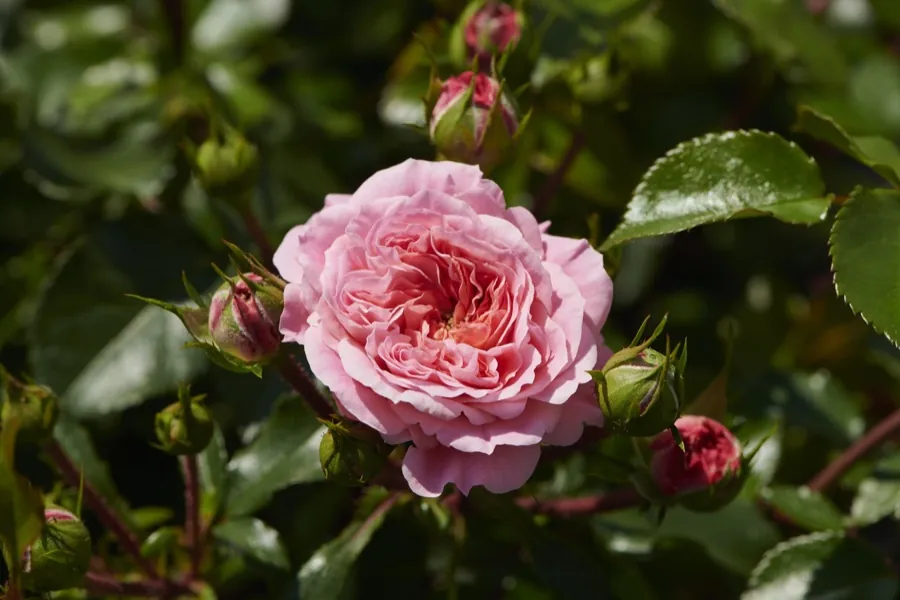
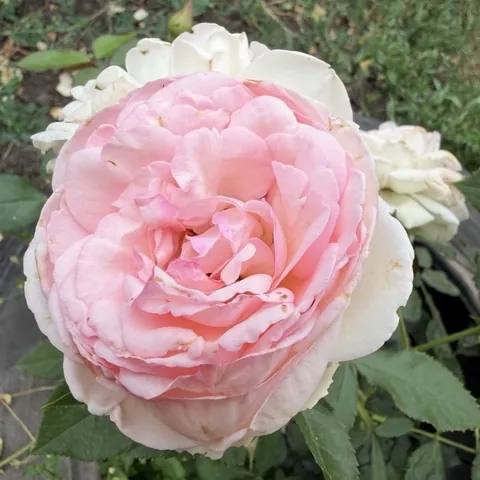
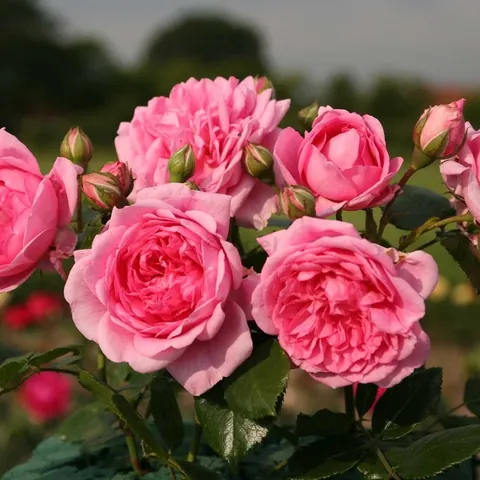
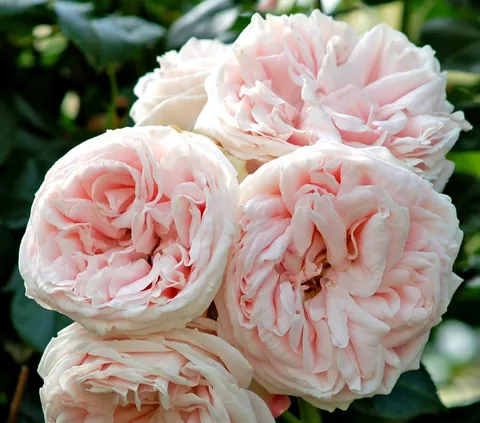
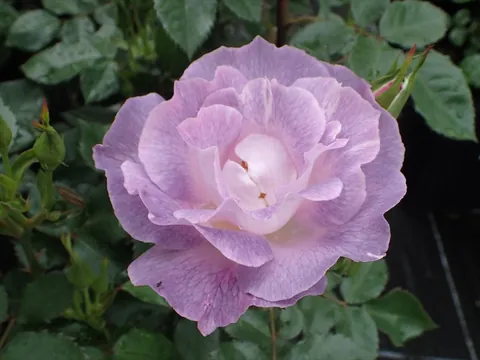
Very double old-fashioned rosette; 5–8 cm
Centre
Apricot-peach
Fullness
Very full, 41+ petals
Flower carriage
In large clusters
Flower durability
Good — does not fade in the sun and does not go soggy in rain

Fragrance

Barely noticeable

Barely noticeable (a rosehip scent).

Disease resistance

4 out of 5

Good.

Sun

Rain

Continuous flowering until the frosts; the flower does not go soggy in rain.

Foliage

Glossy, healthy.

All characteristics in a table
Group
Climber (Courtyard® series)
Breeder
Poulsen, Denmark, 2002
Bud shape
Round, pink
Open flower
Very double old-fashioned rosette; 5–8 cm
Centre
Apricot-peach
Colour
Soft pink with an apricot-peach centre; it turns apricot with age
Fullness
Very full, 41+ petals
Flower carriage
In large clusters
Flowering
Continuous from early summer to the frosts
Fragrance
Barely noticeable (a rosehip scent)
Flower durability
Good — does not fade in the sun and does not go soggy in rain
Habit
A low, flexible climber
Branching
Dense
Shoots
Flexible
Thorns
Moderate number of prickles.
Dimensions
150–250 cm × ~150 cm
Support
Needed — an arch, an obelisk; a large container also works
Foliage
Glossy, healthy
Resistance
Good
Use
Small garden, arch, obelisk, container, courtyard

Colour scheme

Soft pink with an apricot-peach centre; it turns apricot with age

Rose neighbours

Perennials to plant nearby

Neighbouring roses

Soft pink climbing roses harmonise with the nostalgic rosette blooms of Pirouette.

Companion perennials

Blue and violet perennials set off the soft pink:

catmintsalvialavenderwoundwort

Contrasting accents

For contrast beside the pink-apricot bloom: blue and lavender:

catmintlavendersalvia

More about the variety

Use
Small garden, arch, obelisk, container, courtyard

How to grow

Where to plant. A small garden: an arch, an obelisk, a courtyard; grows even in a large container.

Climate. USDA 6b (to ≈ −20 °C) — winter cover is essential here.

Care. Undemanding and healthy; the flower does not mind rain. Pruning is minimal.

About the name

Name. "Pirouette" — a ballet turn; the Courtyard® series = "inner courtyard".

Breeding. Poulsen Roser (Denmark); 2002; code POULyc003. Bonica '82 × seedling. Not to be confused with the shrub 'Pirouette' from Lens (1984, red-and-white) — that is a different rose.

Significance. A climber of the "new type" — low, flexible, with small nostalgic rosettes, for a small garden. One of the most-awarded climbing Poulsen roses (6 awards).

Frequently asked questions about Pirouette

Does Pirouette need winter protection?

The cultivar’s reference temperature is −20 °C (USDA zone 6b). Overwintering depends on the conditions. To ≈ −20 °C; in our climate winter cover is essential.

How many times a season does Pirouette flower?

Continuous from early summer to the frosts.

How big does Pirouette grow?

150–250 cm tall, about 150 cm wide.

Which diseases affect Pirouette?

Overall resistance: 4 out of 5. Healthy glossy foliage (Poulsen: "Healthy").

How much sun does Pirouette need?

Sun; rain; continuous flowering until the frosts; the flower does not go soggy in rain.

What does Pirouette smell like?

Barely noticeable (a rosehip scent).

Gardeners' photos and reviews

My climate

Choose a reference temperature to compare with the cultivar’s data. This is not an overwintering forecast or advice on winter protection; consider wind, moisture and the duration of frost.

Regional data are generalised. USDA describes average annual extreme minima, not a forecast; the values in the list are rounded. Check the conditions at your site. More information: Roses in Ukraine's climate.