


Back to catalogue
English Shrub Rose; arching growth — a shrub or a low climberDavid Austin; David Austin RosesPink

William Morris

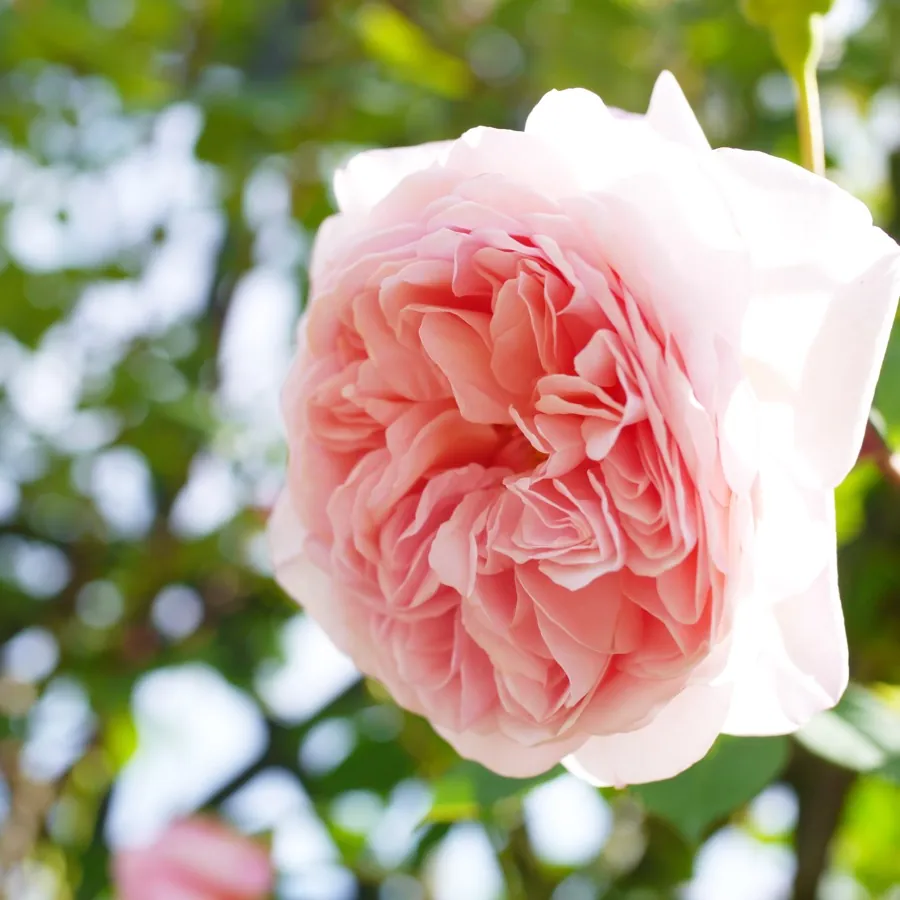
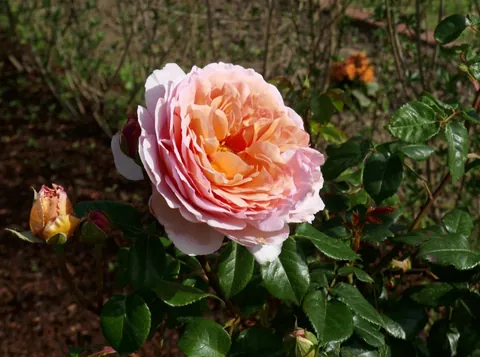
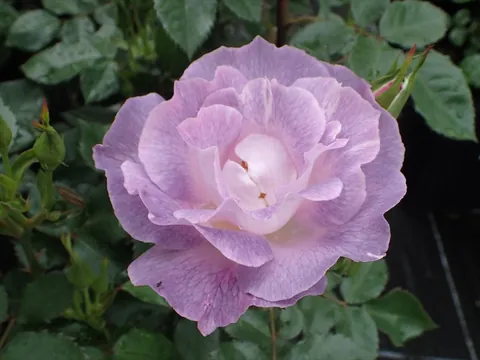
Warm pink with an apricot-pink blend in a quartered rosette; named after William Morris (1834–1896) — founder of the Arts and Crafts movement, closely associated with the Pre-Raphaelites (Rossetti, Burne-Jones); the colour recalls the palette of Morris's own wallpapers and fabrics with floral patterns; parentage 'Abraham Darby' × seedling.

Named after William Morris (1834-1896), founder of Arts and Crafts

Variety profile

Flowering

Repeat flowering

Generous repeat from June to October. Months are approximate, for the climate of Ukraine.

Legacy

Arts & Crafts

Pre-Raphaelites 1998

Winter hardiness

−29 °C

USDA zone 5-9. All of Ukraine without protection.

Compare reference temperatures

Plant size

120–150 × 90–120 cm
person 170 cm120–150 cm
Habit
Arching — may grow as a shrub or as a small climber up to 180 cm
Dimensions
120–150 cm tall × 90–120 cm wide (arching growth; can be trained as a small climber up to 180 cm)
Support
Not needed as a shrub; as a small climber — an obelisk or small arch
Shoots
Flexible, arching
Branching
Well-branched, with flexible arching canes

Flower

≈ 10 cm

41 petals.

Bud shape
Round warm pink
Open flower
Full quartered rosette: ~10 cm, ~41 petals
Centre
Quartered — petals folded into 4 'quarters'
Fullness
~41 petals (full)
Flower carriage
Singly or in small clusters

Fragrance

Strong; Tea with fruity notes

Strong — Tea with fruity notes (rosesabc 5-6 out of 8, strong).

Disease resistance

4 out of 5

Good 4/5 — inherited hardiness from Abraham Darby. USDA 5-9 — all of Ukraine without protection; cover young shoots in cold regions.

Sun

Full sun

Thorns

Few
thornlessfewmoderatemanyvery many

Few thorns — typical for Austin.

Foliage

Dark green, semi-glossy.

All characteristics in a table
Group
English Shrub Rose; arching growth — a shrub or a low climber
Breeder
David Austin; David Austin Roses, United Kingdom
Bud shape
Round warm pink
Open flower
Full quartered rosette: ~10 cm, ~41 petals
Centre
Quartered — petals folded into 4 'quarters'
Colour
Warm pink with an apricot-pink blend — a 'Pre-Raphaelite' palette, reminiscent of Morris's floral ornament
Fullness
~41 petals (full)
Flower carriage
Singly or in small clusters
Flowering
Generous repeat from June to October
Fragrance
Strong — Tea with fruity notes (rosesabc 5-6 out of 8, strong)
Hips
Not documented — usually removed
Habit
Arching — may grow as a shrub or as a small climber up to 180 cm
Branching
Well-branched, with flexible arching canes
Shoots
Flexible, arching
Thorns
Few thorns — typical for Austin.
Dimensions
120–150 cm tall × 90–120 cm wide (arching growth; can be trained as a small climber up to 180 cm)
Support
Not needed as a shrub; as a small climber — an obelisk or small arch
Foliage
Dark green, semi-glossy
Resistance
Good 4/5 — inherited hardiness from Abraham Darby. USDA 5-9 — all of Ukraine without protection; cover young shoots in cold regions
Variations of the variety
Code AUSwill. Bred 1987, introduced in the UK 1998. Parentage: 'Abraham Darby' (Austin AUScot 1985, seed) × unnamed seedling (pollen). The parentage is confirmed on HMF — Austin rarely discloses its parents

Colour scheme

Warm pink with an apricot-pink blend — a 'Pre-Raphaelite' palette, reminiscent of Morris's floral ornament

Rose neighbours

Perennials to plant nearby

Neighbouring roses

Warm peach Austin roses create a 'Pre-Raphaelite' corner:

Companion perennials

Classic Arts & Crafts palette:

lavenderhostalady's mantle (Alchemilla)sage

Availability worldwide

An Austin classic of the '90s for 'literary' gardens:

🇬🇧 UK: high · home country🇪🇺 Europe: moderate🇺🇸 USA: moderate🇺🇦 Ukraine: rare · collector nurseries

More about the variety

Hips
Not documented — usually removed
Variations of the variety
Code AUSwill. Bred 1987, introduced in the UK 1998. Parentage: 'Abraham Darby' (Austin AUScot 1985, seed) × unnamed seedling (pollen). The parentage is confirmed on HMF — Austin rarely discloses its parents

How to grow

Where to plant. As a shrub in a mixed border, or as a small climber on an obelisk up to 180 cm; in an 'Arts & Crafts' corner with floral-patterned neighbours; by a bench for its fragrance; in a 'literary' garden; give it space and support as needed.

Climate. All of Ukraine without protection (USDA 5-9); copes well with summer heat; in cold regions, cover young shoots.

Care. Full sun; moderate prevention; feed 2-3× per season; prune ⅓ in spring; as a climber — train it on a support.

About the name

Name. 'William Morris' — after William Morris (1834–1896), an English artist, poet and textile designer, and founder of the Arts and Crafts movement. Morris was closely associated with the Pre-Raphaelites (Dante Gabriel Rossetti and Edward Burne-Jones, his partners in the firm Morris, Marshall, Faulkner & Co.), although he was not formally a member of the Brotherhood. He created iconic floral ornaments that became a symbol of the Victorian 'decorative revival'.

Breeding. Bred by David Austin at David Austin Roses (Albrighton, Shropshire, UK). Code AUSwill. Bred 1987, introduced 1998. Parentage: 'Abraham Darby' (Austin AUScot 1985, seed parent) × unnamed seedling (pollen parent) — a rare case where the parents are disclosed.

Significance. A 'Pre-Raphaelite' Austin: the colour of the variety recalls the palette of Morris's own wallpapers and fabrics, known for their floral patterns (including roses). Heritage of Abraham Darby: William Morris inherited its hardiness and warm colouring from the parent variety. Its arching growth makes it ideal for small obelisks or walls up to 2 m. Strong Tea and fruity fragrance. USDA 5-9 — all of Ukraine without protection. No official awards (neither RHS AGM, ADR nor AARS) — HMF explicitly states 'No awards known'. William Morris is valued above all for its literary and artistic name and warm colouring, rather than for competition achievements.

Frequently asked questions about William Morris

Does William Morris need winter protection?

The cultivar’s reference temperature is −29 °C (USDA zone 5−9). Overwintering depends on the conditions. All of Ukraine without protection.

How many times a season does William Morris flower?

Generous repeat from June to October.

How big does William Morris grow?

120–150 cm tall, 90–120 cm wide.

Which diseases affect William Morris?

Overall resistance: 4 out of 5. Healthy, inherited from Abraham Darby.

How much sun does William Morris need?

Sun; full sun.

What does William Morris smell like?

Strong — Tea with fruity notes (rosesabc 5−6 out of 8, strong).

Gardeners' photos and reviews

My climate

Choose a reference temperature to compare with the cultivar’s data. This is not an overwintering forecast or advice on winter protection; consider wind, moisture and the duration of frost.

Regional data are generalised. USDA describes average annual extreme minima, not a forecast; the values in the list are rounded. Check the conditions at your site. More information: Roses in Ukraine's climate.