


Back to catalogue
Shrub; repeat-floweringDominique Massad, 2013Pink

Belle de Segosa

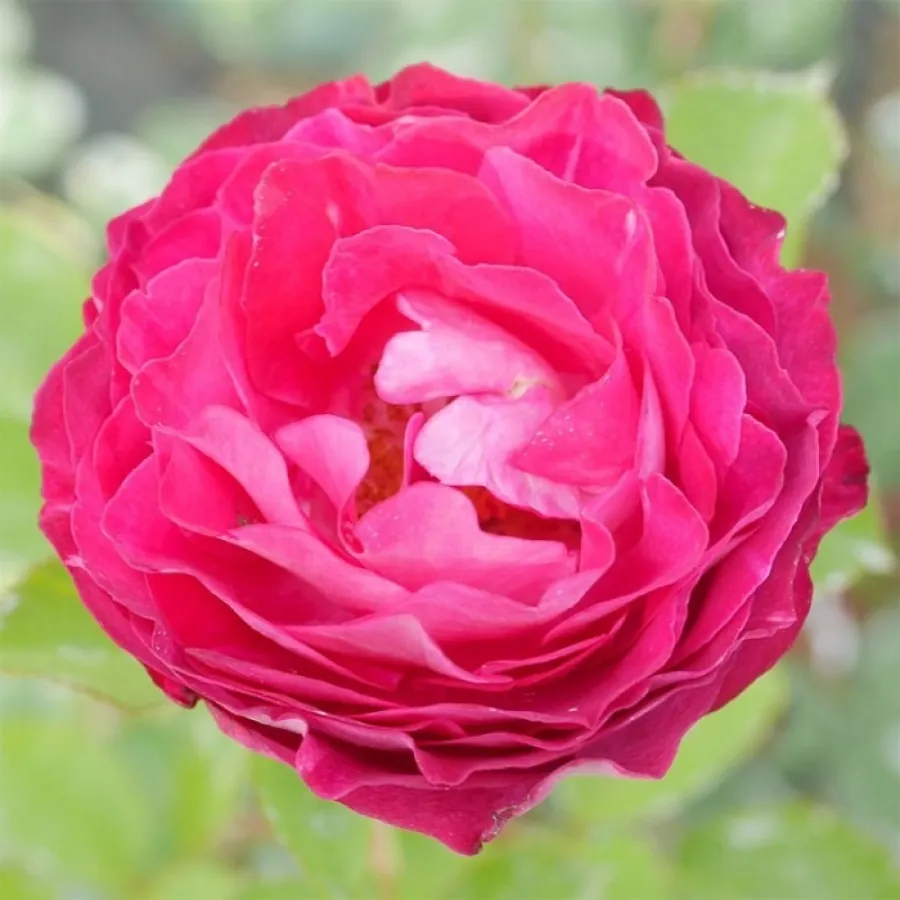
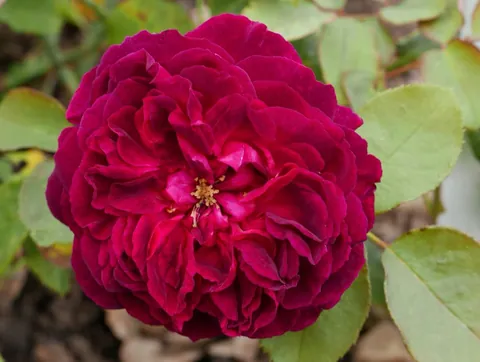
A late work by Dominique Massad — a saturated fuchsia-crimson with a white edging.

Generosa style · French school

Variety profile

Flowering

Repeat-flowering in flushes all season

Winter hardiness

−20 °C

USDA zone 6. Centre and south of Ukraine · Chernihiv region — with cover.

Compare reference temperatures

Plant size

120 × 80 cm
person 170 cm120 cm
Habit
Upright, well branched
Dimensions
Up to 120 cm tall × 80 cm wide
Support
No support needed — the bush is self-supporting (support is needed only for climbing varieties)
Shoots
Sturdy, straight
Branching
Dense

Flower

≈ 8 cm

50–60 petals.

Bud shape
Goblet-shaped, dark
Open flower
Open rosette with a quartered form; diameter about 8 cm
Centre
Dense, raspberry-fuchsia
Fullness
Very full, 50–60 petals
Flower carriage
Borne singly and in small clusters

Fragrance

Strong

Strong, fruity.

Disease resistance

3.5 out of 5

General — standard care.

Sun

Full sun for the saturation of the fuchsia colour

Thorns

Moderate
thornlessfewmoderatemanyvery many

Standard for a shrub rose.

Foliage

Dark green, semi-glossy.

Other names

Breeder's code MASsego.

All characteristics in a table
Group
Shrub; repeat-flowering
Breeder
Dominique Massad, 2013
Bud shape
Goblet-shaped, dark
Open flower
Open rosette with a quartered form; diameter about 8 cm
Centre
Dense, raspberry-fuchsia
Colour
Fuchsia-magenta with white veining at the edges; the edge slightly lighter
Fullness
Very full, 50–60 petals
Flower carriage
Borne singly and in small clusters
Flowering
Repeat-flowering in flushes all season
Fragrance
Strong, fruity
Hips
Rarely sets hips
Habit
Upright, well branched
Branching
Dense
Shoots
Sturdy, straight
Thorns
Standard for a shrub rose.
Dimensions
Up to 120 cm tall × 80 cm wide
Support
No support needed — the bush is self-supporting (support is needed only for climbing varieties)
Foliage
Dark green, semi-glossy
Resistance
General — standard care
Variations of the variety
Also written as Belle de Ségosa

Colour scheme

Fuchsia-magenta with white veining at the edges; the edge slightly lighter

Rose neighbours

Perennials to plant nearby

Neighbouring roses

A fuchsia-raspberry palette keeps a rich mood around Belle de Segosa.

Perennial companions

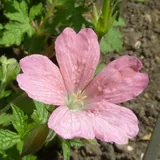
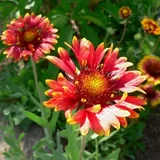
Purple verticals and raspberry geranium bring out the rich colour of the variety:

lavenderbloody cranesbillcatmintgaillardia

Contrasting accents

For play with intensity: yellow-orange warm accents:

Achillea TerracottaVerbena bonariensisAllium Globemaster

More about the variety

Hips
Rarely sets hips
Variations of the variety
Also written as Belle de Ségosa

How to grow

Where to plant. In mixed borders, or as an accent by a path (because of the fragrance); the rich colour makes the variety a focal point in the garden.

Climate. The centre and south of Ukraine are ideal; with cover in Chernihiv region and further north.

Care. Standard for shrub roses — pruning by 1/3 in spring, mulch, and preventive fungicide treatment 1–2 times a season.

About the name

Name. Ségosa — a village in France (the Landes district, south-west), linked to the breeder's family. 'Belle de Ségosa' — 'the beauty of Ségosa'.

Breeding. Bred by Dominique Massad in 2013. Parentage: Valchlea® × Michelle Bedrossian®. Patent code: MASsego.

Meaning. One of Dominique Massad's later works — a continuator of the French Romantica / Generosa tradition. The saturated fuchsia-crimson tone with a white edging is an unusual combination that makes the variety striking in the garden.

Frequently asked questions about Belle de Segosa

Does Belle de Segosa need winter protection?

The cultivar’s reference temperature is −20 °C (USDA zone 6). Overwintering depends on the conditions.

How many times a season does Belle de Segosa flower?

Repeat-flowering in flushes all season.

How big does Belle de Segosa grow?

About 120 cm tall, about 80 cm wide.

Which diseases affect Belle de Segosa?

Overall resistance: 3.5 out of 5. 3.5 / 5; data on the young variety are limited; standard care.

How much sun does Belle de Segosa need?

Sun; full sun for the saturation of the fuchsia colour.

What does Belle de Segosa smell like?

Strong, fruity.

Gardeners' photos and reviews

My climate

Choose a reference temperature to compare with the cultivar’s data. This is not an overwintering forecast or advice on winter protection; consider wind, moisture and the duration of frost.

Regional data are generalised. USDA describes average annual extreme minima, not a forecast; the values in the list are rounded. Check the conditions at your site. More information: Roses in Ukraine's climate.