



Back to catalogue
Floribunda / Shrub; cluster shrub; the Fairy Tale Roses collectionW. Kordes' Söhne, 2005Pink

Pomponella

A globular pompon form in dense clusters — not fragrance, but form; ADR 2006 + 3 other major awards; the flagship of the Fairy Tale Roses Kordes series — low-maintenance "fairy-tale" roses; 🇺🇦 ideal for beginners and mass private gardens.

ADR 2006 + Geneva Gold 2005 + Lyon «Century Rose» 2006 + Grand Prix de la Rose 2010

Variety profile

Flowering

Repeat flowering

Generously repeat flowering from June to October — non-stop. Months are approximate, for the climate of Ukraine.

Legacy

ADR 2006

Geneva 2005 · Lyon Century 2006 · Grand Prix 2010

Winter hardiness

−29 °C

USDA zone 5–9. All of Ukraine without cover.

Compare reference temperatures

Plant size

80–120 × 60–80 cm
person 170 cm80–120 cm
Habit
Upright, bushy — a typical modern Floribunda / Shrub
Dimensions
80–120 cm high × 60–80 cm wide — a medium bushy shape
Support
Not needed — self-supporting
Shoots
Medium stiffness, flexible
Branching
Well branched with strong stems

Flower

≈ 4 cm

40 petals.

Bud shape
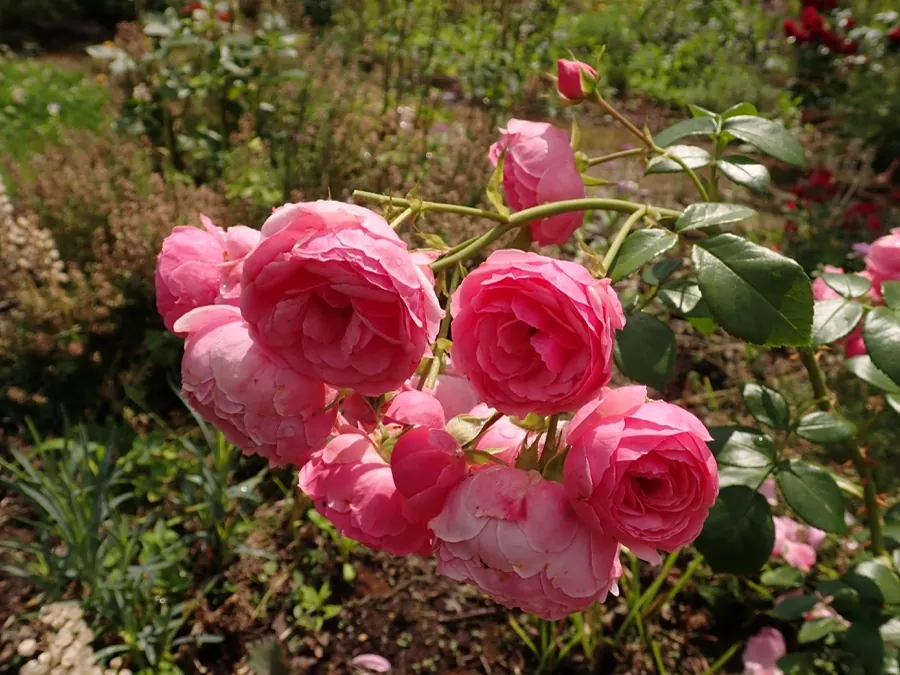
Small round, saturated pink
Open flower
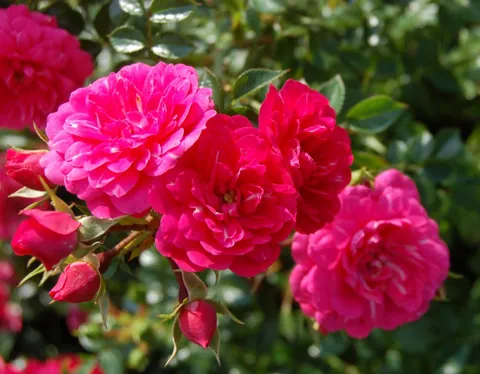
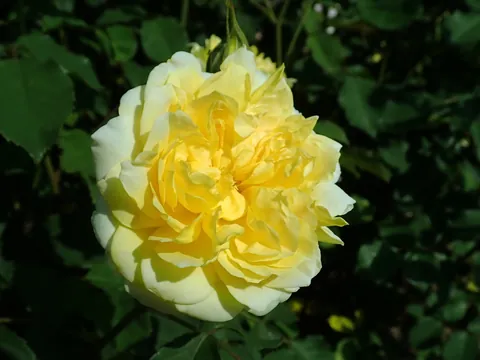
Pompon form: a very double globular flower ~4 cm, resembling a pompom (hence the name); keeps its shape until it falls
Centre
Densely packed, stamens hidden until fully faded
Fullness
~40 petals — very double for its size
Flower carriage
In dense clusters of 5–7 — solid "pompon balls", an effective mass look

Fragrance

Weak

Weak (2/5) — not a fragrance, but a form; a compromise of the Fairy Tale series.

Disease resistance

5 out of 5
Black spotresistantPowdery mildewresistant

Maximum 5/5: ADR 2006 confirms very high resistance to powdery mildew and blackspot; low care requirements.

Sun

Sun + shade

Full sun or light shade.

Thorns

Few
thornlessfewmoderatemanyvery many

Few prickles — typical of modern Kordes Fairy Tale roses.

Foliage

Dark green, glossy — typical of healthy ADR-varieties from Kordes.

All characteristics in a table
Group
Floribunda / Shrub; cluster shrub; the Fairy Tale Roses collection
Breeder
W. Kordes' Söhne, Germany, 2005
Bud shape
Small round, saturated pink
Open flower
Pompon form: a very double globular flower ~4 cm, resembling a pompom (hence the name); keeps its shape until it falls
Centre
Densely packed, stamens hidden until fully faded
Colour
Saturated dark pink, "deep pink" — stable in the sun, does not fade
Fullness
~40 petals — very double for its size
Flower carriage
In dense clusters of 5–7 — solid "pompon balls", an effective mass look
Flowering
Generously repeat flowering from June to October — non-stop
Fragrance
Weak (2/5) — not a fragrance, but a form; a compromise of the Fairy Tale series
Hips
Inconspicuous; typically cut off when deadheading
Habit
Upright, bushy — a typical modern Floribunda / Shrub
Branching
Well branched with strong stems
Shoots
Medium stiffness, flexible
Thorns
Few prickles — typical of modern Kordes Fairy Tale roses.
Dimensions
80–120 cm high × 60–80 cm wide — a medium bushy shape
Support
Not needed — self-supporting
Foliage
Dark green, glossy — typical of healthy ADR-varieties from Kordes
Resistance
Maximum 5/5: ADR 2006 confirms very high resistance to powdery mildew and blackspot; low care requirements
Variations of the variety
Code KORpompan. The Kordes Fairy Tale Roses series ("Kazkovi troiandy", meaning "fairy-tale roses") — a line of low-maintenance, healthy varieties of nostalgic form. Parentage not published

Colour scheme

Saturated dark pink, "deep pink" — stable in the sun, does not fade

Rose neighbours

Perennials to plant nearby

Neighbouring roses

Other ADR roses and Kordes Fairy Tale roses create a 'low-maintenance collection':

Companion perennials

Classic palette for a low-maintenance garden:

lavenderlady's mantlewoundwortcatmint

Availability worldwide

A European bestseller of the Fairy Tale series:

🇩🇪 Germany: very high · Rosen.de🇪🇺 Europe: high · via ADR and Kordes🇺🇸 USA: moderate🇺🇦 Ukraine: high · via Kordes partners

More about the variety

Hips
Inconspicuous; typically cut off when deadheading
Variations of the variety
Code KORpompan. The Kordes Fairy Tale Roses series ("Kazkovi troiandy", meaning "fairy-tale roses") — a line of low-maintenance, healthy varieties of nostalgic form. Parentage not published

How to grow

Where to plant. In massed beds, borders, as a hedge, mixed with perennials; ideal for beginners and mass private gardens thanks to its extraordinary hardiness; good in urban spaces and public landscapes (low maintenance).

Climate. All of Ukraine without cover (USDA 5–9, to −29 °C); copes well with summer heat.

Care. Full sun or light shade; minimal care — ADR-level resistance means almost no disease prevention is needed; feed 2 times per season; prune by ⅓ in spring; "deadheading" is optional, for appearance.

About the name

Name. "Pomponella" — from the flower form "pompon" — globular, very double, resembling a pompom. The Italian diminutive suffix "-ella" adds a romantic note: "a little sweet pompon". A poetic marketing name from Kordes in the spirit of the Fairy Tale Roses series.

Breeding. Bred at W. Kordes' Söhne (Sparrieshoop, Germany) — one of the largest rose houses in the world (founded 1887). Code KORpompan. Introduced 2005. Parentage not published. The Fairy Tale Roses series — a Kordes line of low-maintenance, healthy varieties of nostalgic form (others: Lions-Rose, Larissa, Maxi Vita, Cinderella).

Significance. ADR 2006 — a prestigious German award for toughness and beauty, after 3-year trials at 11 locations in Germany. Geneva Gold Medal 2005. Lyon "Century Rose" 2006. Grand Prix de la Rose Société Nationale d'Horticulture de France 2010. One of the flagship varieties of the Fairy Tale Kordes series — the line that defined the modern concept of the "low-maintenance beauty". Ideal for beginners and mass private gardens — it combines the reliability of ADR with a nostalgic form. Without fragrance, but that is the "price" for the other advantages.

Frequently asked questions about Pomponella

Does Pomponella need winter protection?

The cultivar’s reference temperature is −29 °C (USDA zone 5–9). Overwintering depends on the conditions. All of Ukraine without cover.

How many times a season does Pomponella flower?

Generously repeat flowering from June to October — non-stop.

How big does Pomponella grow?

80–120 cm tall, 60–80 cm wide.

Which diseases affect Pomponella?

Overall resistance: 5 out of 5. ADR-standard; resistant to powdery mildew and blackspot.

How much sun does Pomponella need?

Sun + shade; full sun or light shade.

What does Pomponella smell like?

Weak (2/5) — not a fragrance, but a form; a compromise of the Fairy Tale series.

Gardeners' photos and reviews

My climate

Choose a reference temperature to compare with the cultivar’s data. This is not an overwintering forecast or advice on winter protection; consider wind, moisture and the duration of frost.

Regional data are generalised. USDA describes average annual extreme minima, not a forecast; the values in the list are rounded. Check the conditions at your site. More information: Roses in Ukraine's climate.