



Back to catalogue
English Shrub RoseDavid Austin, 2001Apricot and orange

Benjamin Britten

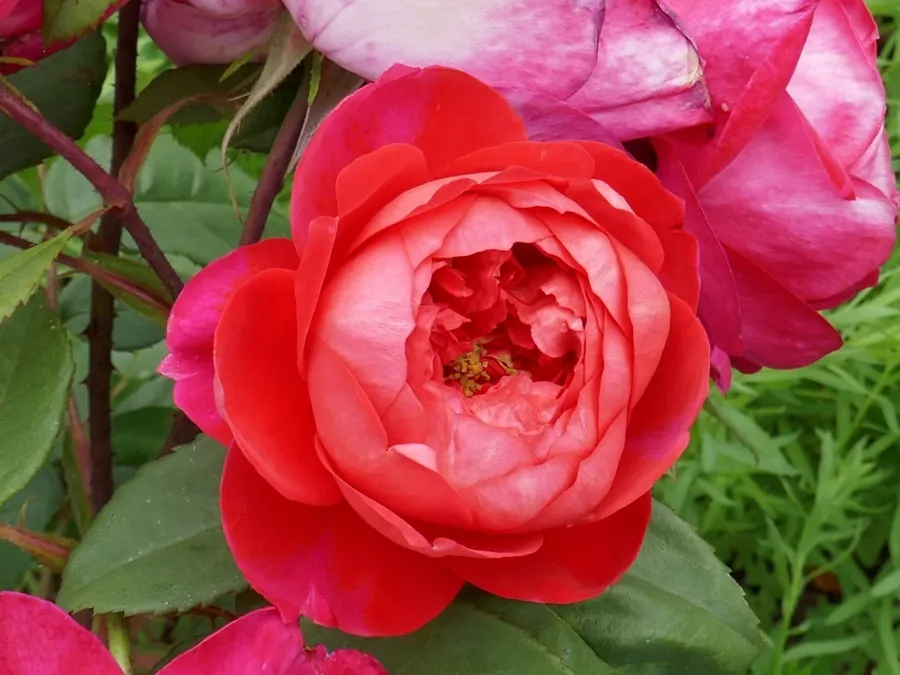
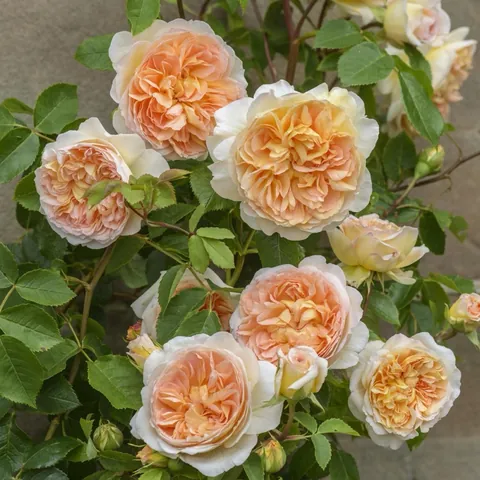
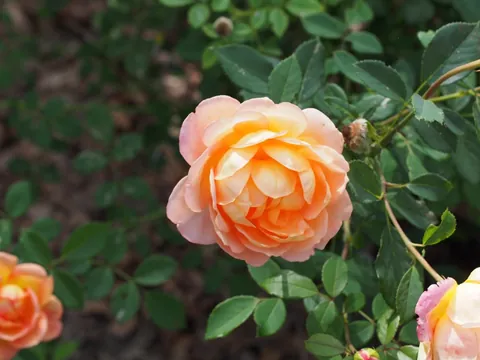
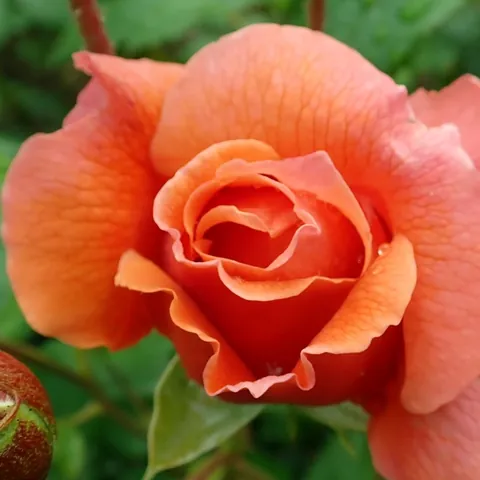
Presented at the Chelsea Flower Show 2001; an unusual palette for an Austin rose — deep salmon – purplish-crimson.

A red-orange tone unique among Austin roses

Variety profile

Flowering

Repeat flowering

Repeat-flowering from June to September. Months are approximate, for the climate of Ukraine.

Winter hardiness

−22 °C

USDA zone 6b–9b. All of Ukraine · north with cover.

Compare reference temperatures

Plant size

120 × 120 cm
person 170 cm120 cm
Habit
Upright, moderately dense
Dimensions
120 cm tall × 120 cm wide (Austin: 4.5 × 4 feet)
Support
Needs no support — the bush is self-supporting (support is needed only for climbing varieties)
Shoots
Slightly arching upwards
Branching
Good

Flower

6–9 cm
Bud shape
Deep cup
Open flower
Opens into a shallow rosette; diameter 6–9 cm
Centre
Quartered, English Rose type
Fullness
40–60 petals
Flower carriage
Solitary or small clusters of 1–3

Fragrance

Strong

Strong fruity — wine, pear drops.

Disease resistance

4 out of 5

Good; typical Austin quality.

Sun

Tolerates heat

Stable in hot summers.

Thorns

Moderate
thornlessfewmoderatemanyvery many

Standard for an English shrub rose.

Foliage

Dark green, glossy.

Other names

Breeder's code AUSencart.

All characteristics in a table
Group
English Shrub Rose
Breeder
David Austin, 2001
Bud shape
Deep cup
Open flower
Opens into a shallow rosette; diameter 6–9 cm
Centre
Quartered, English Rose type
Colour
Deep salmon – purplish-crimson – with a whitish edge as the bloom matures; a very dynamic change of tone
Fullness
40–60 petals
Flower carriage
Solitary or small clusters of 1–3
Flowering
Repeat-flowering from June to September
Fragrance
Strong fruity — wine, pear drops
Hips
Not pronounced
Habit
Upright, moderately dense
Branching
Good
Shoots
Slightly arching upwards
Thorns
Standard for an English shrub rose.
Dimensions
120 cm tall × 120 cm wide (Austin: 4.5 × 4 feet)
Support
Needs no support — the bush is self-supporting (support is needed only for climbing varieties)
Foliage
Dark green, glossy
Resistance
Good — typical Austin quality
Variations of the variety
As a cut flower — excellent; holds its shape in a vase

Colour scheme

Deep salmon – purplish-crimson – with a whitish edge as the bloom matures; a very dynamic change of tone

Rose neighbours

Perennials to plant nearby

Neighbouring roses

A warm red-coral palette keeps a dramatic mood around Benjamin Britten.

Perennial companions

A lavender and chartreuse frame 'cools' the warm tone of Benjamin Britten:

catmintlady's mantlesalvia 'Caradonna'coneflower 'Tomato Soup'

Contrasting accents

For airiness and vertical rhythm: purple globes and lilac 'smoke':

Allium GlobemasterVerbena bonariensisDigitalis purpurea

More about the variety

Hips
Not pronounced
Variations of the variety
As a cut flower — excellent; holds its shape in a vase

How to grow

Where to plant. A prime spot by a path or entrance (because of the strong fragrance), a mixed border, groups of 3.

Climate. Grows well in all regions of Ukraine; in the north — with winter cover; tolerates the heat of the south.

Care. Standard for English roses — pruning by 1/3 in spring, mulch, regular watering, prevention of fungal diseases.

About the name

Name. After Benjamin Britten (1913–1976), the English composer, conductor and pianist, one of the greatest British composers of the twentieth century (the operas Peter Grimes and War Requiem).

Breeding. Bred by David C. H. Austin in 1992, introduced at the Chelsea Flower Show in 2001. Parentage: Charles Austin × Unnamed Seedling. Patent code: AUSencart.

Meaning. A red-orange tone that is unique for Austin — an unusual palette for English roses, which are usually bred in pastel colours. Its strong fruity fragrance, with notes of wine and pear drops, makes it one of the most fragrant English roses in this colour range.

Frequently asked questions about Benjamin Britten

Does Benjamin Britten need winter protection?

The cultivar’s reference temperature is −22 °C (USDA zone 6b–9b). Overwintering depends on the conditions.

How many times a season does Benjamin Britten flower?

Repeat-flowering from June to September.

How big does Benjamin Britten grow?

About 120 cm tall, about 120 cm wide.

Which diseases affect Benjamin Britten?

Overall resistance: 4 out of 5. Good; typical Austin quality.

How much sun does Benjamin Britten need?

Sun; tolerates heat; stable in hot summers.

What does Benjamin Britten smell like?

Strong fruity — wine, pear drops.

Gardeners' photos and reviews

My climate

Choose a reference temperature to compare with the cultivar’s data. This is not an overwintering forecast or advice on winter protection; consider wind, moisture and the duration of frost.

Regional data are generalised. USDA describes average annual extreme minima, not a forecast; the values in the list are rounded. Check the conditions at your site. More information: Roses in Ukraine's climate.