Back to catalogue
Hybrid MuskAnn Bentall, 1939Apricot and orange

Buff Beauty

Pemberton-Bentall school; RHS Award of Garden Merit + ARS Classic Shrub Rose Award — one of the best apricot Hybrid Musks.

Arching shrub · light climber

Variety profile

Flowering

Repeat, in flushes

Repeat flowering, in flushes from summer to autumn. Months are approximate, for the climate of Ukraine.

Awards

RHS AGM

1993 · ARS Classic Shrub Rose Award

Winter hardiness

−26 °C

USDA zone 5b–10b. All of Ukraine · Kyiv/Sumy — light winter protection.

Compare reference temperatures

Plant size

120–305 × 120–245 cm
person 170 cm120–305 cm
Habit
Spreading, arching, playful
Dimensions
120–305 cm high × 120–245 cm wide; usually 150 × 150 cm in the garden
Support
Does not need support — the shrub is self-supporting, but it can be tied to a low arch or fence as a light climber
Shoots
Long, arching, flexible
Branching
Strong, from the base

Flower

7–8 cm
Bud shape
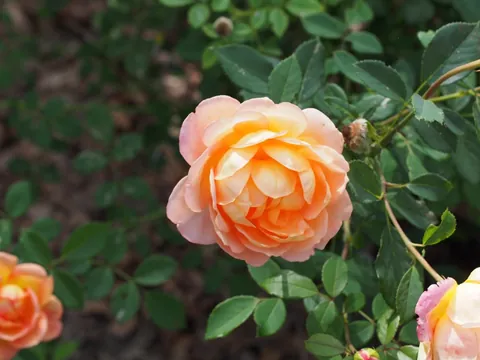
Elongated, apricot with orange tones
Open flower
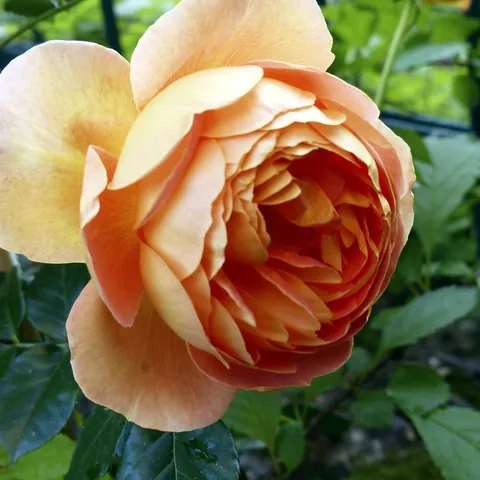
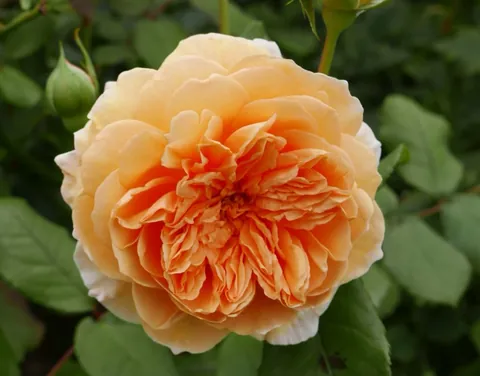
Semi-double, cupped, loose; diameter 7–8 cm
Centre
Stamens visible — golden
Fullness
Semi-double, 45–50 petals in a loose arrangement
Flower carriage
Large nodding clusters on long arching shoots

Fragrance

Strong

Strong — fruity tea (tea rose); one of the most fragrant Hybrid Musks.

Disease resistance

4.5 out of 5

Very good against disease and heat.

Sun

Sun + partial shade

Tolerates partial shade — 4+ hours is enough; ideal for north-facing walls.

Thorns

Moderate
thornlessfewmoderatemanyvery many

Fewer than HTs, but present — typical of Hybrid Musks.

Foliage

Young growth bronze-red, mature — glossy dark green.

All characteristics in a table
Group
Hybrid Musk
Breeder
Ann Bentall, 1939
Bud shape
Elongated, apricot with orange tones
Open flower
Semi-double, cupped, loose; diameter 7–8 cm
Centre
Stamens visible — golden
Colour
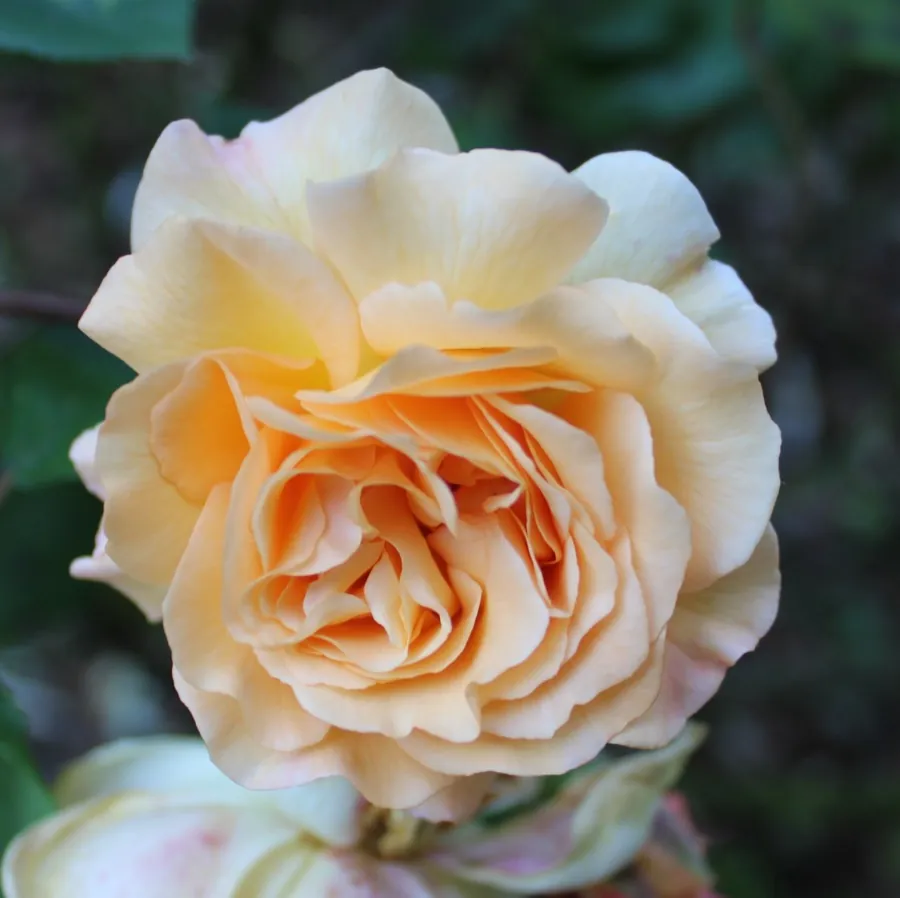
On cool mornings — a rich apricot; in the sun it fades to creamy yellow with a peach heart
Fullness
Semi-double, 45–50 petals in a loose arrangement
Flower carriage
Large nodding clusters on long arching shoots
Flowering
Repeat flowering, in flushes from summer to autumn
Fragrance
Strong — fruity tea (tea rose); one of the most fragrant Hybrid Musks
Hips
Small orange-red hips, if the flowers are not removed
Habit
Spreading, arching, playful
Branching
Strong, from the base
Shoots
Long, arching, flexible
Thorns
Fewer than HTs, but present — typical of Hybrid Musks.
Dimensions
120–305 cm high × 120–245 cm wide; usually 150 × 150 cm in the garden
Support
Does not need support — the shrub is self-supporting, but it can be tied to a low arch or fence as a light climber
Foliage
Young growth bronze-red, mature — glossy dark green
Resistance
Very good against disease and heat
Variations of the variety
In shade — a creamier tone; in sun — a richer apricot
Colour scheme

On cool mornings — a rich apricot; in the sun it fades to creamy yellow with a peach heart

Rose neighbours

Perennials to plant nearby

Neighbouring roses

An apricot-peach palette of English Roses and Hybrid Musks keeps a warm, honeyed mood around Buff Beauty.

Companion perennials

A purple-silver framework: a classic cottage-style setting for the apricot rose:

lavendercatmint (Nepeta) Walker's Lowheuchera CaramelRozanne geranium

Contrasting accents

For vertical rhythm: purple globes and golden grasses:

Allium GlobemasterVerbena bonariensisStipa tenuissima

More about the variety

Hips
Small orange-red hips, if the flowers are not removed
Variations of the variety
In shade — a creamier tone; in sun — a richer apricot
How to grow

Where to plant. Arches, pergolas, north-facing walls (unusual for roses!), a mixed border, an English garden.

Climate. Does well across the whole of Ukraine; in Kyiv, Chernihiv and Sumy — light cover with agrofibre; the south and west — no cover needed.

Care. Light pruning (removing old or weak shoots); main pruning after the first flush; feed 2× per season; water at the root.

About the name

Name. 'Buff' — a colour name (from buffalo hide: a warm yellow-brown) + 'Beauty'. Literally: 'beauty of buffalo-hide colour'.

Breeding. Bred by Ann Bentall (Great Britain) in 1939. Parentage: William Allen Richardson × an unnamed seedling. No patent code (a historical variety).

Significance. It continued the Pemberton-Bentall Hybrid Musk line — the school that gave the world 'Ballerina'. The best apricot in the group. RHS Award of Garden Merit 1993 + ARS Classic Shrub Rose Award.

Frequently asked questions about Buff Beauty

Does Buff Beauty need winter protection?

The cultivar’s reference temperature is −26 °C (USDA zone 5b–10b). Overwintering depends on the conditions.

How many times a season does Buff Beauty flower?

Repeat flowering, in flushes from summer to autumn.

How big does Buff Beauty grow?

120–305 cm tall, 120–245 cm wide.

Which diseases affect Buff Beauty?

Overall resistance: 4.5 out of 5. 4.5 / 5; very good against black spot and mildew; heat tolerant.

How much sun does Buff Beauty need?

Sun + partial shade; tolerates partial shade — 4+ hours is enough; ideal for north-facing walls.

What does Buff Beauty smell like?

Strong — fruity tea (tea rose); one of the most fragrant Hybrid Musks.

Gardeners' photos and reviews

My climate

Choose a reference temperature to compare with the cultivar’s data. This is not an overwintering forecast or advice on winter protection; consider wind, moisture and the duration of frost.

Regional data are generalised. USDA describes average annual extreme minima, not a forecast; the values in the list are rounded. Check the conditions at your site. More information: Roses in Ukraine's climate.