

Back to catalogue
English Climbing RoseDavid Austin, 2016Apricot and orange

Bathsheba

Auschimbley; presented at the Chelsea Flower Show 2016; the first English Austin climber with a complex striped gradient.

Leander Hybrid · in warm climates grown as a shrub

Variety profile

Flowering

Repeat-flowering in strong flushes all season

Awards

Chelsea

Flower Show launch 2016

Winter hardiness

−28 °C

USDA zone 5b–9b. All of Ukraine · north with light cover.

Compare reference temperatures

Plant size

240–305 × 150 cm
person 170 cm240–305 cm
Habit
Medium-tall, upright
Dimensions
240–305 cm tall × 150 cm wide
Support
Needs support — trellis, wall, low pergola
Shoots
Thick, stiff
Branching
Good, spreading

Flower

9–12 cm
Bud shape
Round, peach-pink
Open flower
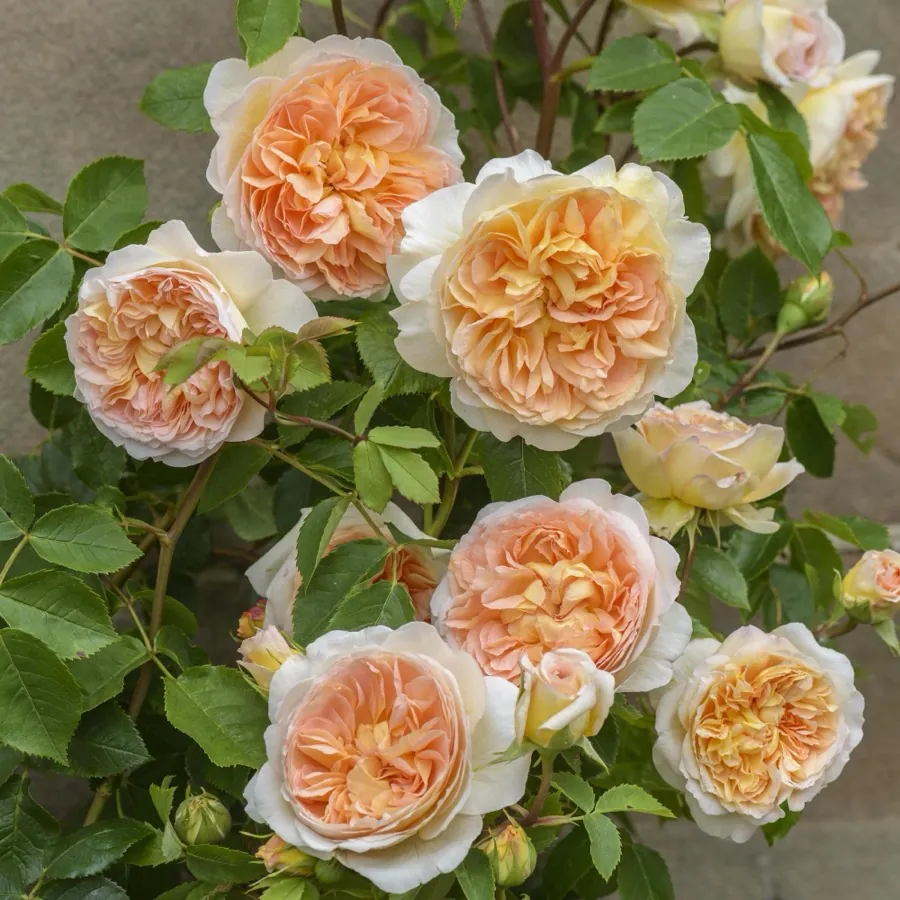
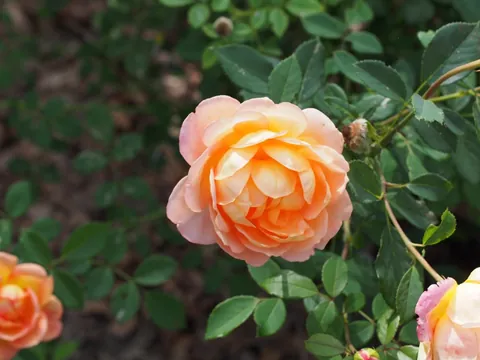
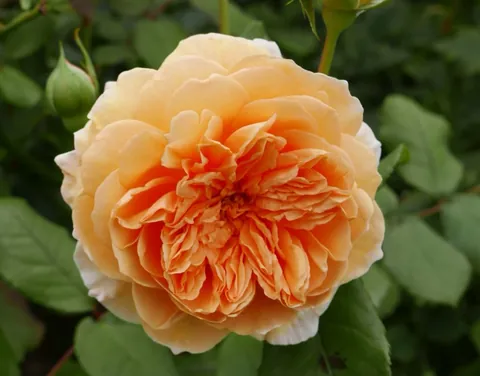
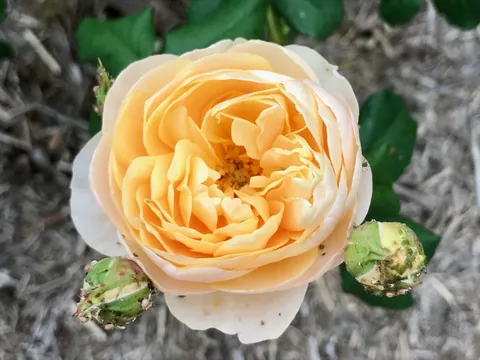
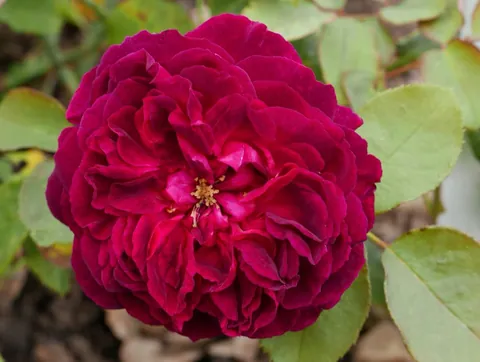
Deep rosette with reflexed petals and a 'rosette within a rosette'; diameter 9–12 cm
Centre
Golden yellow, hidden among the petals
Fullness
Super-double, up to 170 petals
Flower carriage
1–3 per stem

Fragrance

Strong

Strong — myrrh with honey and tea notes.

Disease resistance

4 out of 5

High — typical David Austin quality.

Sun

Sun + partial shade

A rarity among climbers — suitable even for north-facing walls.

Thorns

Moderate
thornlessfewmoderatemanyvery many

Standard for an English Climbing Rose.

Foliage

Dark green, semi-glossy.

All characteristics in a table
Group
English Climbing Rose
Breeder
David Austin, 2016
Bud shape
Round, peach-pink
Open flower
Deep rosette with reflexed petals and a 'rosette within a rosette'; diameter 9–12 cm
Centre
Golden yellow, hidden among the petals
Colour
Multilayered: yellow heart – peach middle layer – pale pink outer petals
Fullness
Super-double, up to 170 petals
Flower carriage
1–3 per stem
Flowering
Repeat-flowering in strong flushes all season
Fragrance
Strong — myrrh with honey and tea notes
Hips
None, because of the extreme doubleness
Habit
Medium-tall, upright
Branching
Good, spreading
Shoots
Thick, stiff
Thorns
Standard for an English Climbing Rose.
Dimensions
240–305 cm tall × 150 cm wide
Support
Needs support — trellis, wall, low pergola
Foliage
Dark green, semi-glossy
Resistance
High — typical David Austin quality
Variations of the variety
In shade the flowers are paler and more pastel; one of the last varieties personally bred by David Austin senior

Colour scheme

Multilayered: yellow heart – peach middle layer – pale pink outer petals

Rose neighbours

Perennials to plant nearby

Neighbouring roses

Other David Austin English Roses in apricot-peach tones keep one romantic mood around Bathsheba.

Perennial companions

Purple-lavender flowers and caramel foliage — a classic English cottage palette for a fragrant climbing rose:

salvia 'Caradonna'catmint 'Six Hills Giant'coral bells 'Caramel'cranesbill 'Rozanne'

Contrasting accents

For vertical rhythm: a purple globe, an apricot spike and lilac 'smoke':

Allium Purple SensationDigitalis Sutton's ApricotVerbena bonariensis

More about the variety

Hips
None, because of the extreme doubleness
Variations of the variety
In shade the flowers are paler and more pastel; one of the last varieties personally bred by David Austin senior

How to grow

Where to plant. Ideal for a wall trellis (including north-facing walls), a low pergola, or a striking arch by the entrance. Shade tolerance is a great rarity among climbers.

Climate. All of Ukraine; ideal in the centre, west and south; overwinters well down to zone 5b with minimal cover.

Care. Tie in horizontally for maximum flowering of the side shoots, prune weak shoots in spring, mulch, and feed twice (in spring and after the first flush).

About the name

Name. 'Bathsheba' — the biblical Bathsheba (wife of Uriah, later of King David, mother of Solomon); also the heroine of Thomas Hardy's novel Far from the Madding Crowd (1874) — a strong, beautiful woman.

Breeding. Bred by David C. H. Austin (David Austin Roses) in 2008, introduced at the Chelsea Flower Show in 2016. Leander Hybrid. The parentage is not officially published. Patent code: Auschimbley.

Meaning. Beauty, strength, nostalgia, literature. The first English Austin climber with a complex striped peach-apricot gradient. One of the last varieties personally bred by David Austin senior (1926–2018) — a symbolic full stop in his creative path.

Frequently asked questions about Bathsheba

Does Bathsheba need winter protection?

The cultivar’s reference temperature is −28 °C (USDA zone 5b–9b). Overwintering depends on the conditions.

How many times a season does Bathsheba flower?

Repeat-flowering in strong flushes all season.

How big does Bathsheba grow?

240–305 cm tall, about 150 cm wide.

Which diseases affect Bathsheba?

Overall resistance: 4 out of 5. High; typical Austin quality.

How much sun does Bathsheba need?

Sun + partial shade; a rarity among climbers — suitable even for north-facing walls.

What does Bathsheba smell like?

Strong — myrrh with honey and tea notes.

Gardeners' photos and reviews

My climate

Choose a reference temperature to compare with the cultivar’s data. This is not an overwintering forecast or advice on winter protection; consider wind, moisture and the duration of frost.

Regional data are generalised. USDA describes average annual extreme minima, not a forecast; the values in the list are rounded. Check the conditions at your site. More information: Roses in Ukraine's climate.