



Back to catalogue
Climber (Climbing Floribunda)Georges Delbard, 2011Pink

Bienvenue

A soft pink climber with an INTENSE fragrance: lemon, basil, rose.

One of the most fragrant climbers · 'welcome'

Variety profile

Flowering

Once-flowering

From mid-May to the end of September. Months are approximate, for the climate of Ukraine.

Fragrance

Very strong

Top: lemon and basil, heart: rose, base: ivy (Delbard description)

Winter hardiness

−20 °C

In Ukraine, covering the base is advisable.

Compare reference temperatures

Plant size

240–300 cm
person 170 cm240–300 cm
Habit
Strong climber
Dimensions
240–300 cm (2–4 m after 3 years)
Support
Needed — entrance, arch, gate
Shoots
Sturdy, fast-growing
Branching
Good

Flower

8–10 cm
Bud shape
Round, pink
Open flower
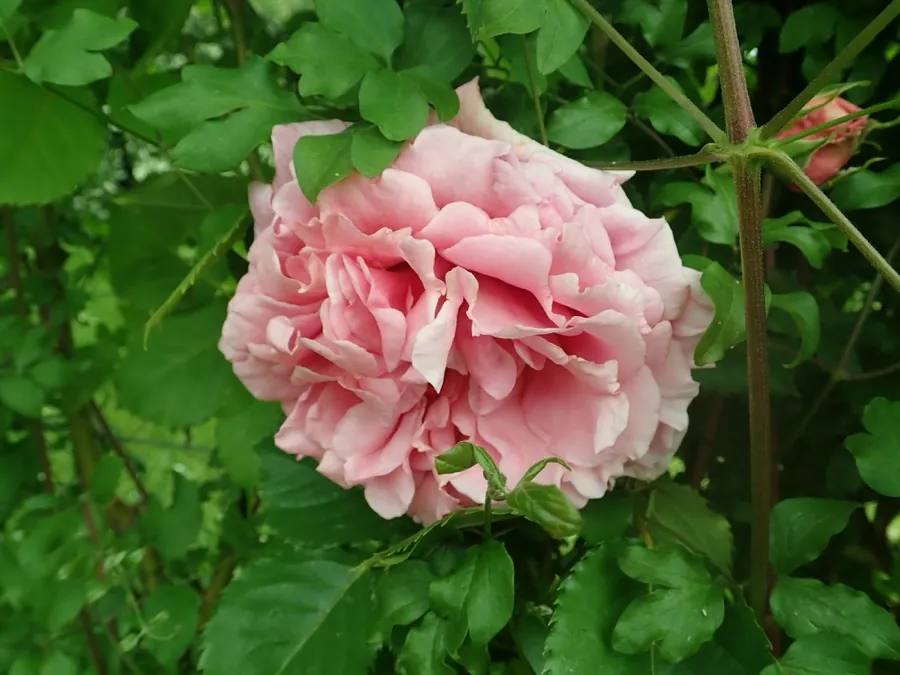
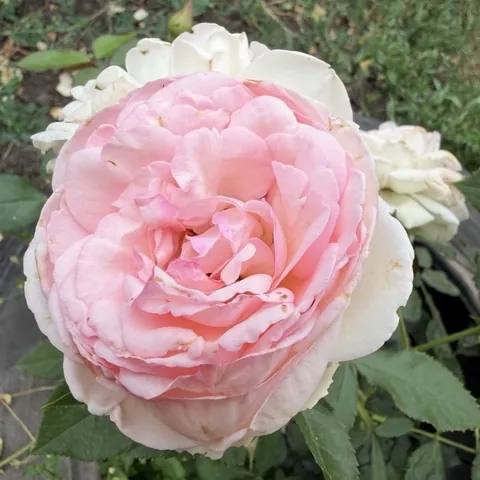
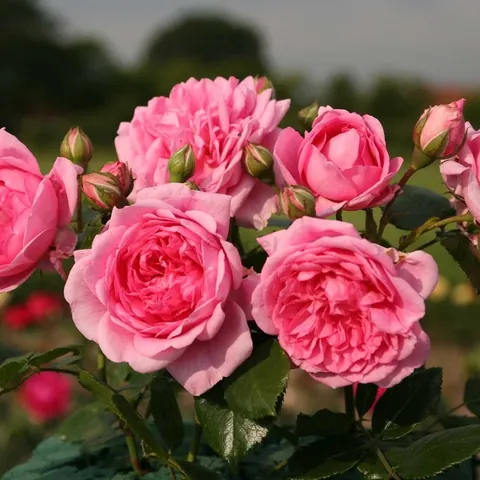
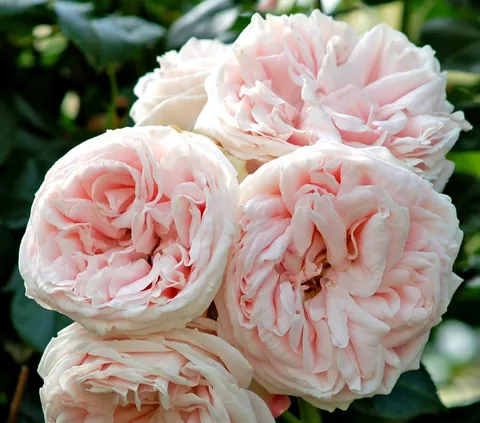
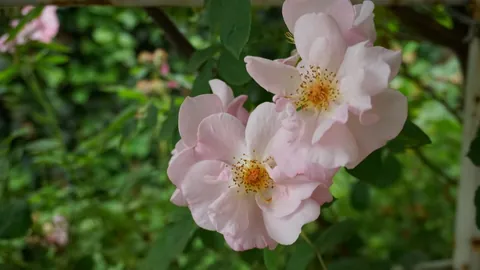
Large cup-shaped, old-fashioned frilled rosette; 8–10 cm
Centre
Darker than the edges
Fullness
Very double, 41+ petals
Flower carriage
Borne singly and in clusters
Flower durability
Good

Fragrance

Strong

STRONG: lemon and basil – rose – ivy.

Disease resistance

4 out of 5

Very good.

Sun

Flowers from mid-May to the end of September

Foliage

Healthy.

Other names

Breeder's code DELrochipar.

All characteristics in a table
Group
Climber (Climbing Floribunda)
Breeder
Georges Delbard, France, 2011
Bud shape
Round, pink
Open flower
Large cup-shaped, old-fashioned frilled rosette; 8–10 cm
Centre
Darker than the edges
Colour
From soft to deep pink
Fullness
Very double, 41+ petals
Flower carriage
Borne singly and in clusters
Flowering
From mid-May to the end of September
Fragrance
STRONG: lemon and basil – rose – ivy
Flower durability
Good
Habit
Strong climber
Branching
Good
Shoots
Sturdy, fast-growing
Thorns
Moderate number of prickles.
Dimensions
240–300 cm (2–4 m after 3 years)
Support
Needed — entrance, arch, gate
Foliage
Healthy
Resistance
Very good
Use
Garden entrance, arch, gate — so that the fragrance greets guests

Colour scheme

From soft to deep pink

Rose neighbours

Perennials to plant nearby

Neighbouring roses

Soft pink climbing varieties make a natural companion group for Bienvenue.

Perennial companions

Blue and purple perennials set off the soft pink:

catmintsalvialavenderlamb's ears

Contrasting accents

For contrast beside the soft pink: blue and lavender:

catmintlavendersalvia

More about the variety

Use
Garden entrance, arch, gate — so that the fragrance greets guests

How to grow

Where to plant. At the garden entrance, on an arch, or at a gate — the name 'welcome' is no accident: the strong fragrance greets guests.

Climate. Down to −20 °C (Delbard) — in our climate, cover at the base of the bush is advisable.

Care. Healthy and vigorous; after 3 years it grows to 2–4 m.

About the name

Name. French for 'welcome' — a rose for an entrance, arch or gate.

Breeding. Georges Delbard (France); bred in 1999, on the market in 2011; code DELrochipar. Clair Renaissance × Abraham Darby.

Meaning. One of the most fragrant modern climbers: a complex fragrance with lemon-and-basil top notes.

Frequently asked questions about Bienvenue

Does Bienvenue need winter protection?

The cultivar’s reference temperature is −20 °C. Overwintering depends on the conditions.

How many times a season does Bienvenue flower?

From mid-May to the end of September.

How big does Bienvenue grow?

240–300 cm tall.

Which diseases affect Bienvenue?

Overall resistance: 4 out of 5. «très bonne résistance» (Delbard).

How much sun does Bienvenue need?

Sun; flowers from mid-May to the end of September.

What does Bienvenue smell like?

STRONG: lemon and basil – rose – ivy.

Gardeners' photos and reviews

My climate

Choose a reference temperature to compare with the cultivar’s data. This is not an overwintering forecast or advice on winter protection; consider wind, moisture and the duration of frost.

Regional data are generalised. USDA describes average annual extreme minima, not a forecast; the values in the list are rounded. Check the conditions at your site. More information: Roses in Ukraine's climate.