

Back to catalogue
Noisette; mini climberPhilippe Noisette, 1814Pink

Blush Noisette

A historic variety (1814–1819); also sold as Rosier de Philippe Noisette and Noisette Carnée; the ancestor of the Noisette class – the first repeat-flowering, hardy climber in history.

The founder of the entire Noisette class

Variety profile

Flowering

Almost continuous in flushes throughout the season – a revolutionary quality for its time

Awards

Excellent

227 votes · the founder of the class — a historic rose

Winter hardiness

−20 °C

USDA zone 6b–9b. All of Ukraine · Polissia — with light protection.

Compare reference temperatures

Plant size

120–200 × 100–150 cm
person 170 cmon a supportup to 3 m120–200 cm
Habit
Mini climber or large spreading shrub
Dimensions
120–200 cm tall × 100–150 cm wide; as a climber – up to 3 m
Support
A support is recommended – arch, fence, wall of an old house; it can also be trained as a large shrub
Shoots
Flexible, long, thin – ideal for arches
Branching
Very vigorous, flexible arching canes

Flower

≈ 6 cm

Up to 35 petals.

Bud shape
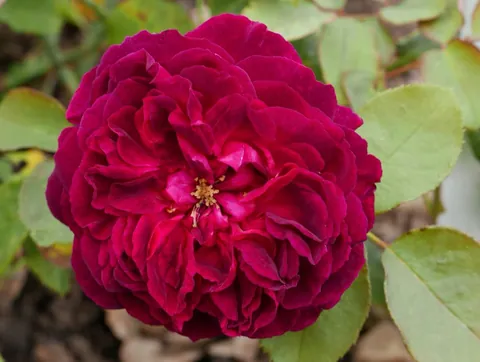
Crimson-red, small, round
Open flower
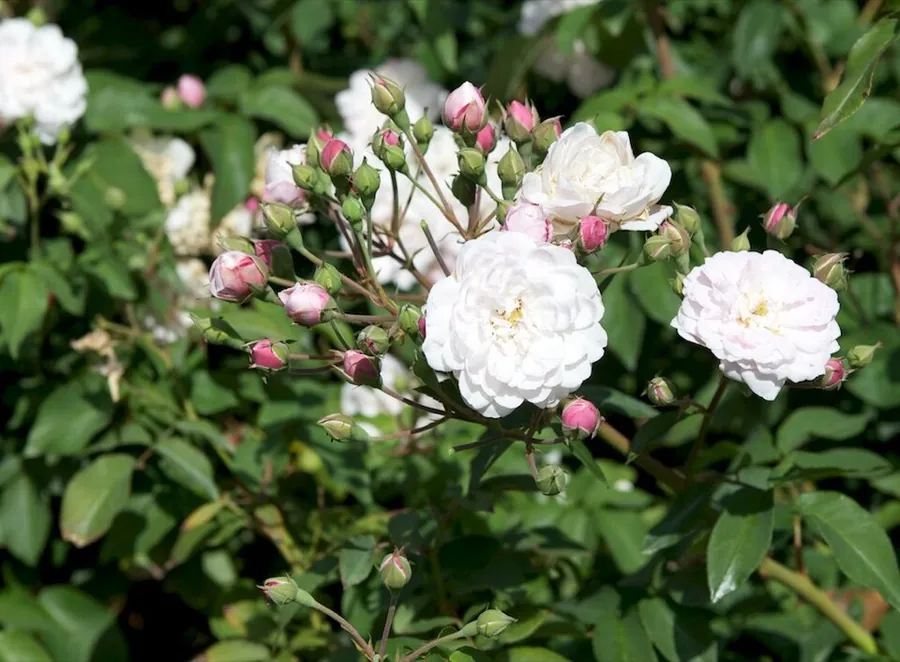
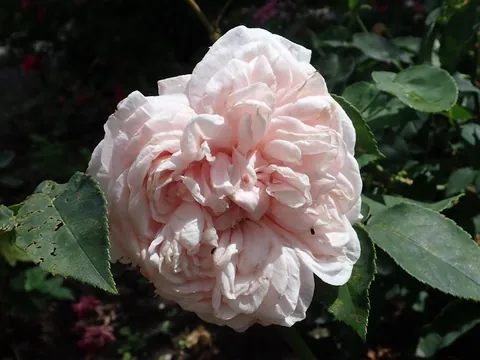
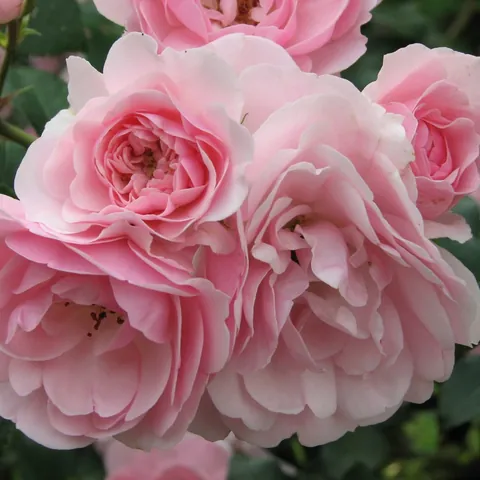
Cup-shaped, then opens into a flat rosette; diameter about 6 cm
Centre
Yellow stamens are visible in the mature flower
Fullness
Full, up to 35 petals
Flower carriage
Dense clusters of 10–20 flowers (hence 'cluster' in the synonyms)

Fragrance

Medium

Moderate, clove-like with musky notes – typical of Noisettes.

Disease resistance

4 out of 5

High; tolerant of heat.

Sun

Sun + partial shade

Tolerates the heat of southern regions well.

Thorns

Few
thornlessfewmoderatemanyvery many

Few thorns, sometimes almost none – a rare advantage.

Foliage

Light green, with 7 leaflets, glossy.

All characteristics in a table
Group
Noisette; mini climber
Breeder
Philippe Noisette, 1814
Bud shape
Crimson-red, small, round
Open flower
Cup-shaped, then opens into a flat rosette; diameter about 6 cm
Centre
Yellow stamens are visible in the mature flower
Colour
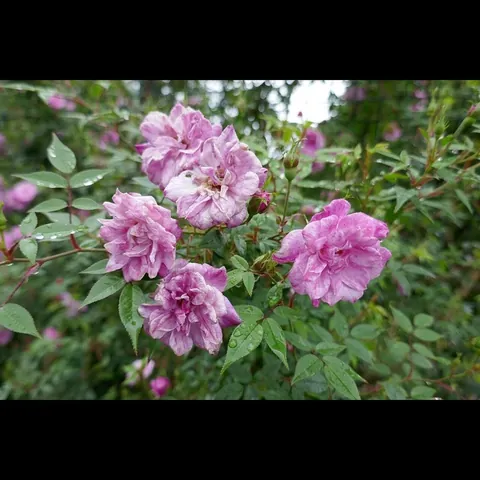
Bud crimson – open flower soft pink – mature petals pearly white (one cluster shows all stages at the same time – a charming effect)
Fullness
Full, up to 35 petals
Flower carriage
Dense clusters of 10–20 flowers (hence 'cluster' in the synonyms)
Flowering
Almost continuous in flushes throughout the season – a revolutionary quality for its time
Fragrance
Moderate, clove-like with musky notes – typical of Noisettes
Hips
Small, red
Habit
Mini climber or large spreading shrub
Branching
Very vigorous, flexible arching canes
Shoots
Flexible, long, thin – ideal for arches
Thorns
Few thorns, sometimes almost none – a rare advantage.
Dimensions
120–200 cm tall × 100–150 cm wide; as a climber – up to 3 m
Support
A support is recommended – arch, fence, wall of an old house; it can also be trained as a large shrub
Foliage
Light green, with 7 leaflets, glossy
Resistance
High; tolerant of heat
Variations of the variety
Gave rise to hundreds of Noisette varieties, including Mme. Alfred Carrière and Maréchal Niel

Colour scheme

Bud crimson – open flower soft pink – mature petals pearly white (one cluster shows all stages at the same time – a charming effect)

Rose neighbours

Perennials to plant nearby

Neighbouring roses

A Noisette and Bourbon palette of old roses holds the atmosphere of a historic cottage garden around Blush Noisette.

Perennial companions

A classic cottage palette — geranium, catmint, lady's mantle and foxglove create a 'natural' backdrop:

geranium 'Rozanne'catmint (Nepeta)lady's mantle (Alchemilla)foxglove

Contrasting accents

For vertical rhythm — foxtail lilies and violet alliums:

EremurusAllium Purple SensationVerbena bonariensis

More about the variety

Hips
Small, red
Variations of the variety
Gave rise to hundreds of Noisette varieties, including Mme. Alfred Carrière and Maréchal Niel

How to grow

Where to plant. Arches, pergolas, fences, walls of old houses, historic rose gardens; ideal for a cottage garden.

Climate. All of Ukraine; especially good in the south (Odesa, Kherson, Crimea) – tolerant of heat; in the Carpathians and Polissia – on south-facing house walls.

Care. Minimal pruning (only hygienic and light shaping); tying canes horizontally encourages flowering; feed 2 times per season.

About the name

Name. 'Blush' (meaning soft pink) + 'Noisette' (the surname of the breeding brothers Philippe and Louis Noisette); the name describes both the colour and the authorship.

Breeding. Bred by Philippe Noisette (Charleston, South Carolina, USA) around 1814; introduced in Europe by his brother Louis Noisette (Paris) in 1817–1819. A seedling of 'Champneys' Pink Cluster' (John Champneys, about 1811 – a hybrid of Old Blush × R. moschata).

Significance. The ancestor of the whole Noisette class of roses. A historic turning point in breeding – it combined the repeat-flowering of Chinese roses with the fragrance and hardiness of musk roses. The whole Noisette class descends from this variety, including the famous Mme. Alfred Carrière and Maréchal Niel. More than 200 years in active use.

Frequently asked questions about Blush Noisette

Does Blush Noisette need winter protection?

The cultivar’s reference temperature is −20 °C (USDA zone 6b–9b). Overwintering depends on the conditions.

How many times a season does Blush Noisette flower?

Almost continuous in flushes throughout the season – a revolutionary quality for its time.

How big does Blush Noisette grow?

120–200 cm tall, 100–150 cm wide. On a support — up to 300 cm.

Which diseases affect Blush Noisette?

Overall resistance: 4 out of 5. One of the healthiest old roses; tolerant of heat.

How much sun does Blush Noisette need?

Sun + partial shade; tolerates the heat of southern regions well.

What does Blush Noisette smell like?

Moderate, clove-like with musky notes – typical of Noisettes.

Gardeners' photos and reviews

My climate

Choose a reference temperature to compare with the cultivar’s data. This is not an overwintering forecast or advice on winter protection; consider wind, moisture and the duration of frost.

Regional data are generalised. USDA describes average annual extreme minima, not a forecast; the values in the list are rounded. Check the conditions at your site. More information: Roses in Ukraine's climate.