

Back to catalogue
Floribunda; retroEugene Boerner, 1959Pink

Brownie

US PP 1,720 (1958); Jackson & Perkins; a historical rarity — one of the first attempts at a 'brown' rose.

Russet floribunda — a rare category

Variety profile

Flowering

In flushes

Awards

US PP 1,720

Patent 1958 · introduced by J&P 1959

Winter hardiness

−20 °C

USDA zone 6b. West, South, Centre · Polissia — with winter protection.

Compare reference temperatures

Plant size

75 × 60 cm
person 170 cm75 cm
Habit
Compact, upright
Dimensions
About 75 cm high × 60 cm wide
Support
Does not need support — the shrub is self-supporting (support is needed only for climbing varieties)
Shoots
Medium strength
Branching
Moderate

Flower

6–8 cm
Bud shape
Compact, dark tawny
Open flower
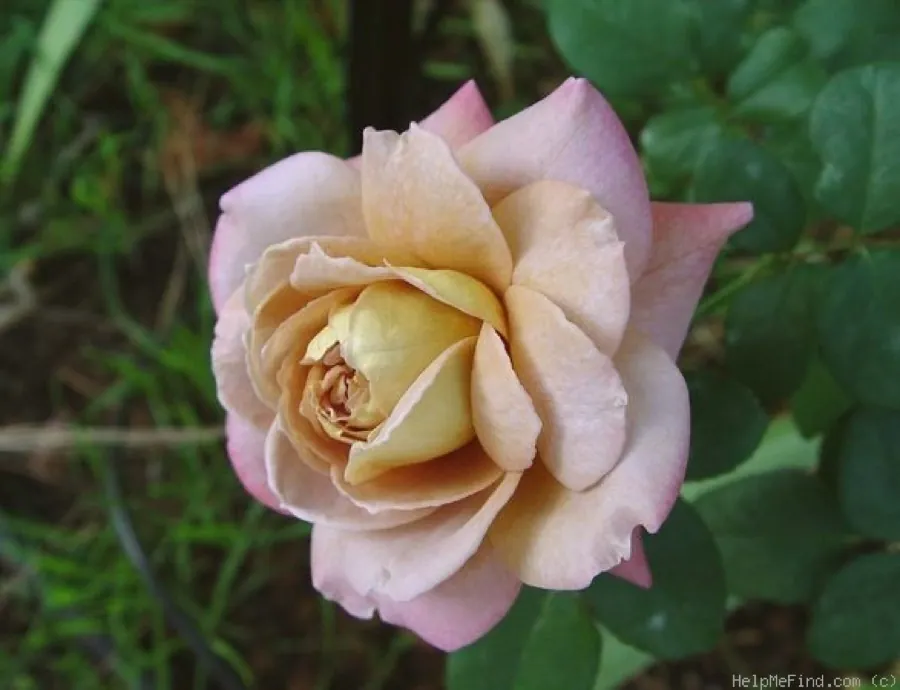
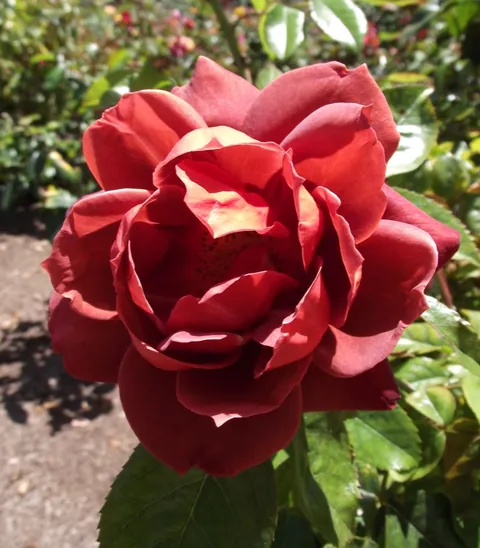
Classic floribunda cup, moderately full; diameter 6–8 cm
Centre
Deep tawny
Fullness
Moderate, 17–25 petals
Flower carriage
In clusters of 3–7

Fragrance

Moderate

Moderate, mild.

Disease resistance

3 out of 5

Moderate — typical of older 1950s varieties.

Sun

Full sun to bring out the russet tones

Thorns

Moderate
thornlessfewmoderatemanyvery many

Standard for a floribunda.

Foliage

Matt green, medium.

All characteristics in a table
Group
Floribunda; retro
Breeder
Eugene Boerner, 1959
Bud shape
Compact, dark tawny
Open flower
Classic floribunda cup, moderately full; diameter 6–8 cm
Centre
Deep tawny
Colour
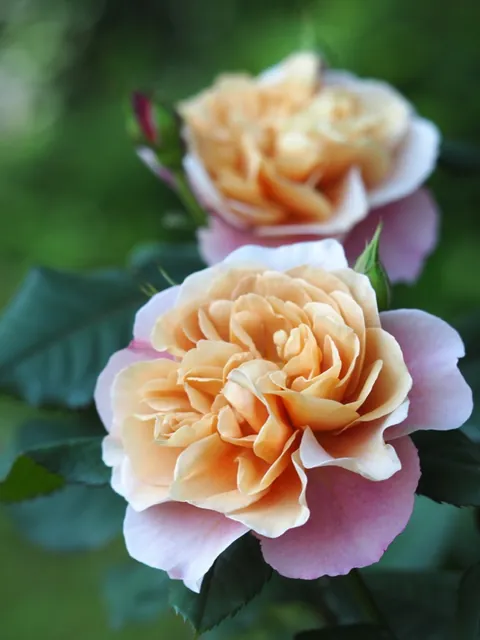
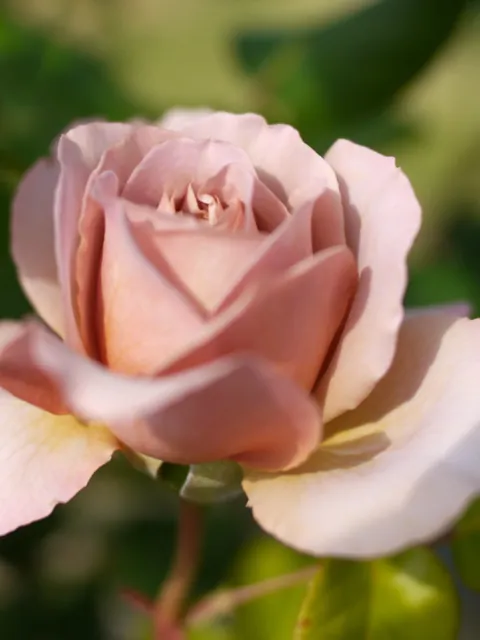
Unusual — a russet base (warm rusty brown with a pinkish-lavender tinge), petal edges dark red; a 'scorched' effect
Fullness
Moderate, 17–25 petals
Flower carriage
In clusters of 3–7
Flowering
In flushes
Fragrance
Moderate, mild
Hips
Possible
Habit
Compact, upright
Branching
Moderate
Shoots
Medium strength
Thorns
Standard for a floribunda.
Dimensions
About 75 cm high × 60 cm wide
Support
Does not need support — the shrub is self-supporting (support is needed only for climbing varieties)
Foliage
Matt green, medium
Resistance
Moderate — typical of older 1950s varieties
Variations of the variety
A collectors' variety, almost absent from the trade

Colour scheme

Unusual — a russet base (warm rusty brown with a pinkish-lavender tinge), petal edges dark red; a 'scorched' effect

Rose neighbours

Perennials to plant nearby

Neighbouring roses

A rust-and-chocolate palette keeps a warm, intimate mood around Brownie. A more modern and more affordable replacement is Hot Cocoa.

Companion perennials

Bronze foliage and muted warm tones:

heuchera Caramelfine-leaved feather grasssedum Matronasedge Bronze Form

Contrasting accents

For a play of warm tones: warm-coloured echinacea and rudbeckia:

Echinacea Hot PapayaHelenium Moerheim BeautyRudbeckia Cherry Brandy

More about the variety

Hips
Possible
Variations of the variety
A collectors' variety, almost absent from the trade

How to grow

Where to plant. An intimate corner of a collectors' garden, with an emphasis on pastel-bronze tones; as a highlight among other floribundas.

Climate. The West, South and Central Ukraine; in Polissia — with winter protection.

Care. Classic care for older floribundas — spring pruning, disease prevention, good air circulation.

About the name

Name. English 'Brownie' — 'brown, dark blond' — for its unusual russet tone, which recalls the colour of a Belgian chocolate brownie.

Breeding. Bred by Eugene S. Boerner before 1958, introduced by Jackson & Perkins in 1959 (also in Australia in 1960). Parentage: Lavender Pinocchio × Grey Pearl — both parents are known for their 'unexpected' muted colours; Grey Pearl was the first attempt at a 'grey' rose. Patent: US PP 1,720 (24 June 1958).

Significance. A historical rarity — one of the first attempts to breed a 'brown' rose. Of collectors' interest, but almost absent from today's trade. A more modern and more available alternative is Hot Cocoa (Carruth 2003, AARS).

Frequently asked questions about Brownie

Does Brownie need winter protection?

The cultivar’s reference temperature is −20 °C (USDA zone 6b). Overwintering depends on the conditions.

How many times a season does Brownie flower?

In flushes.

How big does Brownie grow?

About 75 cm tall, about 60 cm wide.

Which diseases affect Brownie?

Overall resistance: 3 out of 5. Moderate; typical of older 1950s varieties; needs disease prevention.

How much sun does Brownie need?

Sun; full sun to bring out the russet tones.

What does Brownie smell like?

Moderate, mild.

Gardeners' photos and reviews

My climate

Choose a reference temperature to compare with the cultivar’s data. This is not an overwintering forecast or advice on winter protection; consider wind, moisture and the duration of frost.

Regional data are generalised. USDA describes average annual extreme minima, not a forecast; the values in the list are rounded. Check the conditions at your site. More information: Roses in Ukraine's climate.