


Back to catalogue
FloribundaTom Carruth; Weeks Roses, 2003Bicolour

Hot Cocoa

AARS 2003; the benchmark of 'fashionable brown'; parentage (Playboy × Altissimo) × Livin' Easy; the parent of About Face, Coffee Bean and Coretta Scott King.

Carruth/Weeks · 'brown' classic

Variety profile

Flowering

Repeat flowering

Repeat flowering, abundant — in flushes from June until the first frosts. Months are approximate, for the climate of Ukraine.

Awards

AARS 2003

All-America Rose Selections · classic

Winter hardiness

−23 °C

USDA zone 6+. In Ukraine with moderate cover.

Compare reference temperatures

Plant size

89–115 × 60–90 cm
person 170 cm89–115 cm
Habit
Upright, compact — a typical classic Carruth floribunda
Dimensions
89–115 cm tall × 60–90 cm wide
Support
No support needed
Shoots
Strong, straight; they hold the clusters well
Branching
Good, even

Flower

10–12 cm
Bud shape
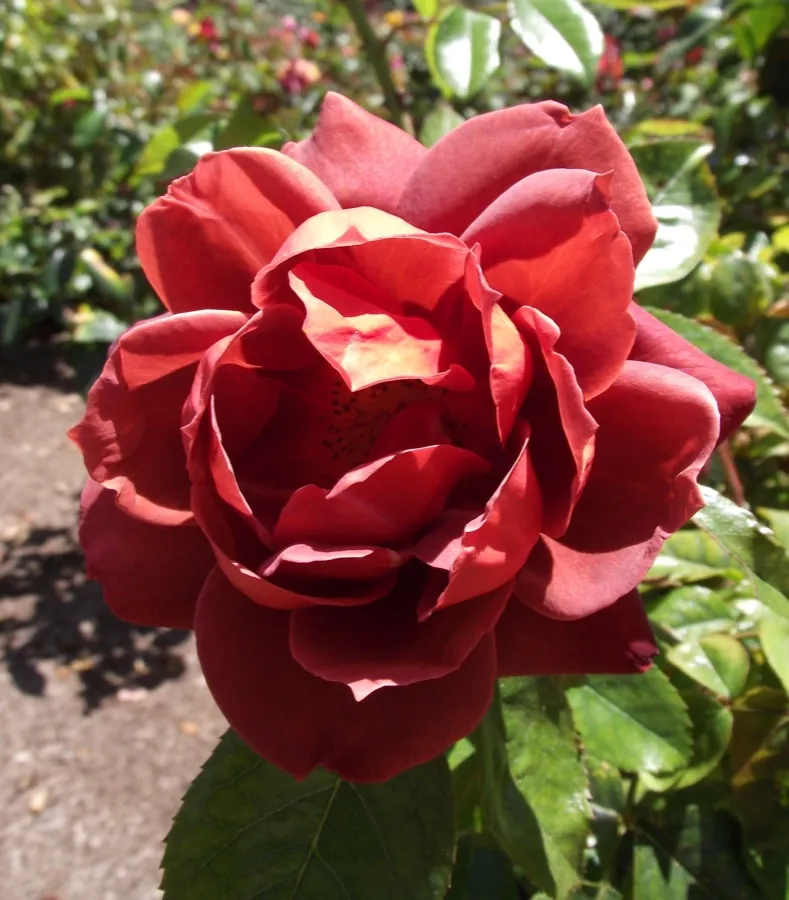
Round-conical, dark rusty orange with chocolate-coloured petal faces
Open flower
Cupped and double, with a striking smoky transition; diameter 10–12 cm
Centre
Bright yellow centre of stamens, contrasting with the chocolate-orange petals
Fullness
Double, 26–40 petals
Flower carriage
In clusters of 3–5 per stem

Fragrance

Moderate

Moderate fruity — Weeks officially describes it as 'moderate fruity'.

Disease resistance

5 out of 5

Outstanding — Weeks describes it as 'excellent'; one of the hardiest floribundas of Carruth.

Sun

Full sun to bring out the smoky tone

Thorns

Moderate
thornlessfewmoderatemanyvery many

Average number, typical of modern floribundas.

Foliage

Dark green, leathery, very healthy.

Other names

Kiwi, Nubya
All characteristics in a table
Group
Floribunda
Breeder
Tom Carruth; Weeks Roses, USA, 2003
Bud shape
Round-conical, dark rusty orange with chocolate-coloured petal faces
Open flower
Cupped and double, with a striking smoky transition; diameter 10–12 cm
Centre
Bright yellow centre of stamens, contrasting with the chocolate-orange petals
Colour
A unique smoky bicolour: the upper side of the petals is chocolate brown-orange, the underside dark rusty orange. In cool climates the colour is closer to chocolate russet, and in warm ones to bright orange. The benchmark 'brown' rose
Fullness
Double, 26–40 petals
Flower carriage
In clusters of 3–5 per stem
Flowering
Repeat flowering, abundant — in flushes from June until the first frosts
Fragrance
Moderate fruity — Weeks officially describes it as 'moderate fruity'
Hips
Not documented
Habit
Upright, compact — a typical classic Carruth floribunda
Branching
Good, even
Shoots
Strong, straight; they hold the clusters well
Thorns
Average number, typical of modern floribundas.
Dimensions
89–115 cm tall × 60–90 cm wide
Support
No support needed
Foliage
Dark green, leathery, very healthy
Resistance
Outstanding — Weeks describes it as 'excellent'; one of the hardiest floribundas of Carruth
Variations of the variety
Code WEKpaltlez; patent US PP15,155; marketing synonyms 'Kiwi', 'Nubya' (export names); parentage ('Playboy' × 'Altissimo') × 'Livin' Easy'

Colour scheme

A unique smoky bicolour: the upper side of the petals is chocolate brown-orange, the underside dark rusty orange. In cool climates the colour is closer to chocolate russet, and in warm ones to bright orange. The benchmark 'brown' rose

Rose neighbours

Perennials to plant nearby

Neighbouring roses

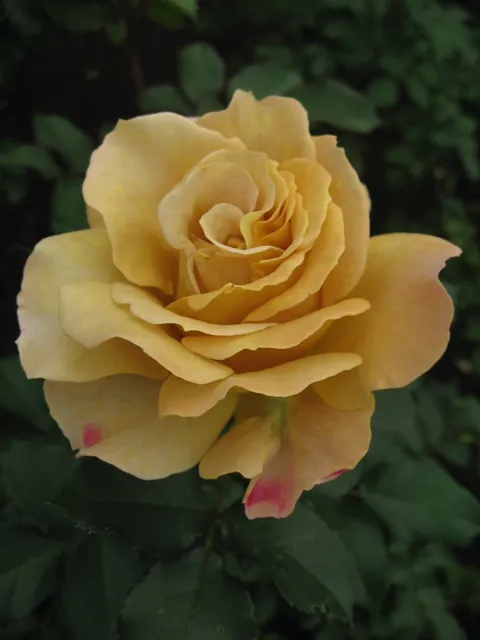
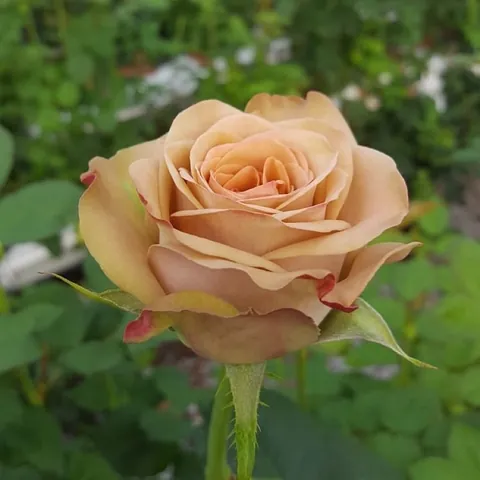
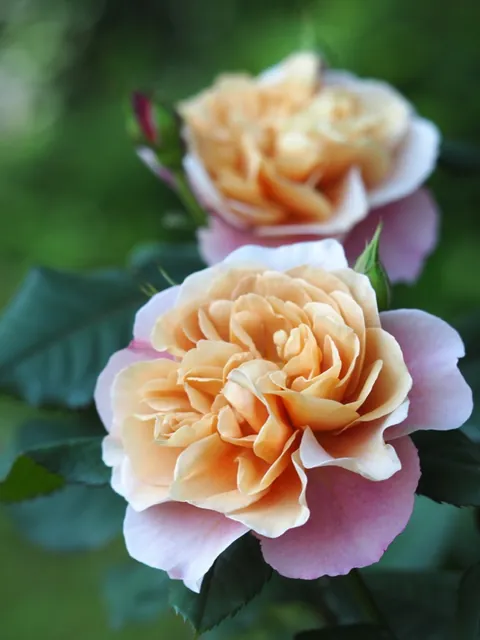
A thematic group of 'brown' varieties of the 2000s:

Companion perennials

Violet-yellow accents — a dramatic contrast to the chocolate tones:

lavender 'Hidcote'gaillardia 'Aurum'Stachys byzantina (lamb's ear)lady's mantle (Alchemilla)

Availability worldwide

A classic 'brown' — a widely available global bestseller:

🇪🇺 Europe: high · sold as 'Kiwi' / 'Nubya'🇺🇸 USA: VERY HIGH · Weeks Roses bestseller🇯🇵 Asia: high · popular in Japan🇺🇦 Ukraine: HIGH · available at garden centres

More about the variety

Hips
Not documented
Variations of the variety
Code WEKpaltlez; patent US PP15,155; marketing synonyms 'Kiwi', 'Nubya' (export names); parentage ('Playboy' × 'Altissimo') × 'Livin' Easy'

How to grow

Where to plant. 'brown' themed borders, containers on a terrace, formal groups of 3–5 bushes; lovely paired with Honey Dijon, a dramatic pair of 'hot cocoa and honey mustard'; ideal for themed 'bar' or 'café' flower beds.

Climate. Down to −23 °C — in Ukraine with moderate cover in the northern and central regions; in the south, no cover needed.

Care. Classic floribunda — prune in spring by ⅓; its outstanding resistance almost eliminates the need for fungicides; removing spent blooms encourages new flushes.

About the name

Name. 'Hot Cocoa' — English for 'hot chocolate'. The name is a tribute to a warm chocolate drink: the petals resemble the rich chocolate-orange colour of cocoa with milk, with a smoky tint, like 'steam above a cup'. In export markets it is sold as 'Kiwi' or 'Nubya'.

Breeding. Bred by Tom Carruth, Weeks Roses, USA, in 2002; commercial introduction in 2003. Code WEKpaltlez, patent US PP15,155. Parentage: ('Playboy' × 'Altissimo') × 'Livin' Easy' (HARwelcome, Harkness 1990, AARS 1996). Tom Carruth is one of the most influential American breeders of the late twentieth and early twenty-first centuries; he created dozens of AARS-varieties for Weeks, and later became director of the Tournament of Roses Wrigley Gardens in Huntington, California.

Significance. AARS 2003 — All-America Rose Selections, the main US award for garden varieties. Hot Cocoa is the benchmark of the 'fashionable brown' varieties of the 2000s, which opened a new commercial category of roses in unusual colours. In our catalogue it belongs to a group with Honey Dijon (Sproul/Weeks 2005), Guinness (NL, ~2011), Cappuccino (Tantau Evers 2005) and Distant Drums (Buck 1985). Hot Cocoa is the parent of 3 well-known Carruth/Weeks varieties: 'About Face' (WEKosupalz, 2003, a bicolour Grandiflora, AARS 2005), 'Coffee Bean' (WEKmemolneflit, 2006, a miniature chocolate rose) and 'Coretta Scott King' (WEKkocopuhi, 2012, a hybrid tea). This makes Hot Cocoa a true founder of Weeks' modern chocolate line.

Frequently asked questions about Hot Cocoa

Does Hot Cocoa need winter protection?

The cultivar’s reference temperature is −23 °C (USDA zone 6+). Overwintering depends on the conditions. In Ukraine with moderate cover.

How many times a season does Hot Cocoa flower?

Repeat flowering, abundant — in flushes from June until the first frosts.

How big does Hot Cocoa grow?

89–115 cm tall, 60–90 cm wide.

Which diseases affect Hot Cocoa?

Overall resistance: 5 out of 5. 'excellent' according to Weeks; outstanding quality.

How much sun does Hot Cocoa need?

Sun; full sun to bring out the smoky tone.

What does Hot Cocoa smell like?

Moderate fruity — Weeks officially describes it as 'moderate fruity'.

Gardeners' photos and reviews

My climate

Choose a reference temperature to compare with the cultivar’s data. This is not an overwintering forecast or advice on winter protection; consider wind, moisture and the duration of frost.

Regional data are generalised. USDA describes average annual extreme minima, not a forecast; the values in the list are rounded. Check the conditions at your site. More information: Roses in Ukraine's climate.