




Back to catalogue
English Shrub RoseDavid Austin, 2012Pink

Boscobel

AUScousin (US PP 25,064); the benchmark for coral-salmon tone with a myrrh fragrance – one of the best-known new Austin roses.

Repeat-flowering · nostalgic form

Variety profile

Flowering

Repeat, in flushes

In waves from late spring until frost. Months are approximate, for the climate of Ukraine.

Awards

Austin TOP

Favourite of the collection · high RHS ratings

Winter hardiness

−26 °C

USDA zone 5–9. All of Ukraine including the northern regions.

Compare reference temperatures

Plant size

100–120 × 90–120 cm
person 170 cm100–120 cm
Habit
Medium, upright, bushy
Dimensions
100–120 cm tall × 90–120 cm wide
Support
No support needed – the bush is self-supporting; in the south it may behave like a small climber
Shoots
Strong
Branching
Well branched

Flower

8–12 cm
Bud shape
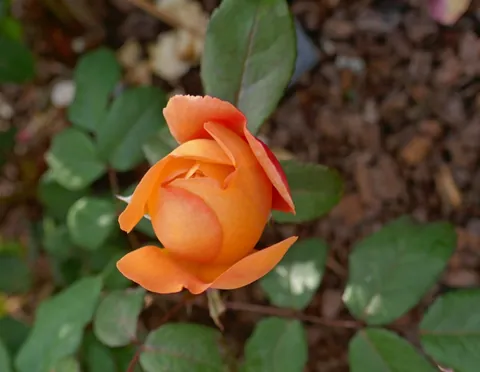
Red, conical
Open flower
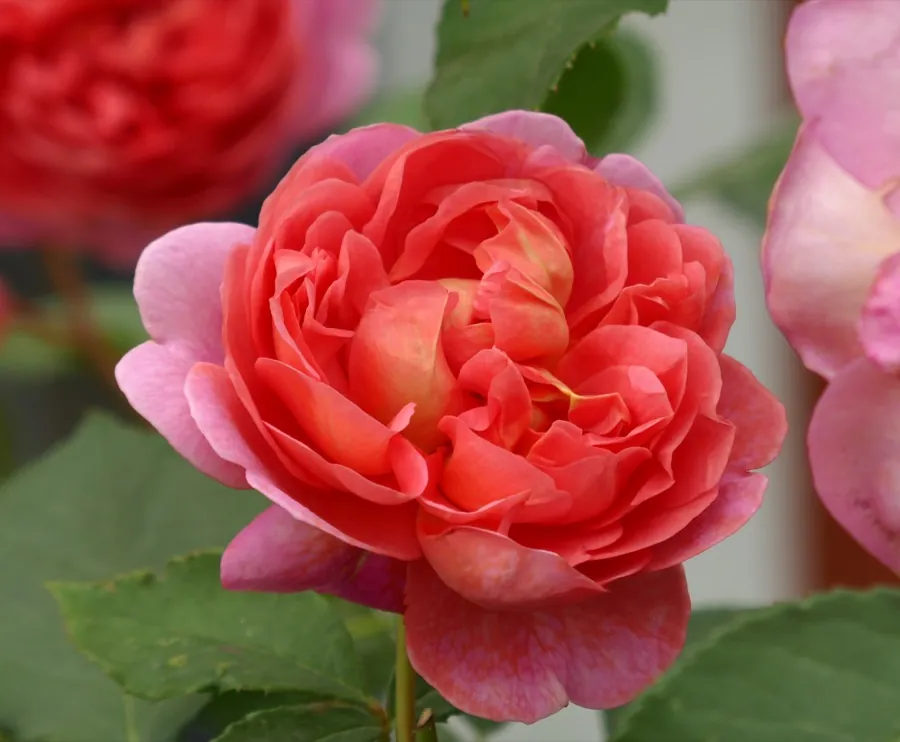
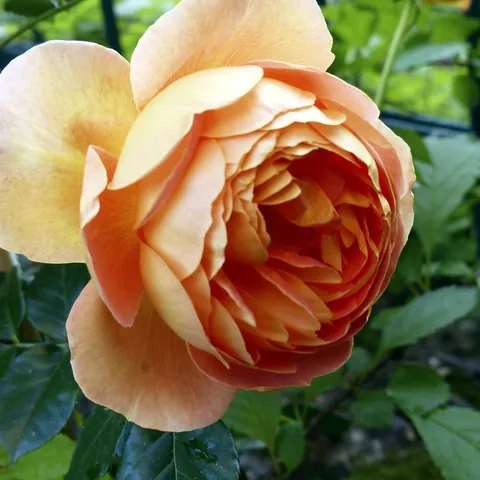
Dense symmetrical rosette, facing upwards; diameter 8–12 cm
Centre
Tightly packed with petals of different shades
Fullness
Very full, ~78 petals
Flower carriage
In small clusters of 3–5

Fragrance

Strong

Strong – myrrh with notes of hawthorn, elderberry, pear and almond.

Disease resistance

4 out of 5
Black spotresistant

Good – typical Austin quality.

Sun

Sun + partial shade

East/south/west; tolerates humidity well.

Thorns

Moderate
thornlessfewmoderatemanyvery many

Standard for an English shrub rose.

Foliage

Medium green, semi-glossy.

All characteristics in a table
Group
English Shrub Rose
Breeder
David Austin, 2012
Bud shape
Red, conical
Open flower
Dense symmetrical rosette, facing upwards; diameter 8–12 cm
Centre
Tightly packed with petals of different shades
Colour
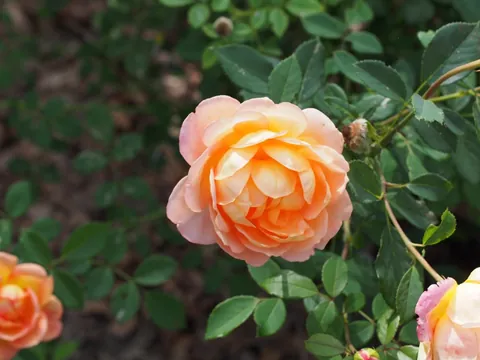
Red bud – coral-pink rosette with shades from salmon to orange-pink; the reverse of the petals is lighter
Fullness
Very full, ~78 petals
Flower carriage
In small clusters of 3–5
Flowering
In waves from late spring until frost
Fragrance
Strong – myrrh with notes of hawthorn, elderberry, pear and almond
Hips
Rare
Habit
Medium, upright, bushy
Branching
Well branched
Shoots
Strong
Thorns
Standard for an English shrub rose.
Dimensions
100–120 cm tall × 90–120 cm wide
Support
No support needed – the bush is self-supporting; in the south it may behave like a small climber
Foliage
Medium green, semi-glossy
Resistance
Good – typical Austin quality
Variations of the variety
An excellent cut-flower variety – holds its shape in a vase

Colour scheme

Red bud – coral-pink rosette with shades from salmon to orange-pink; the reverse of the petals is lighter

Rose neighbours

Perennials to plant nearby

Neighbouring roses

A warm coral-salmon palette of English roses holds a single romantic mood around Boscobel.

Perennial companions

A lavender-blue framework and chartreuse lady's mantle 'cool down' the warm coral-salmon tone:

catmint (Nepeta)salvia 'Amistad'lady's mantle (Alchemilla)lamb's ear

Contrasting accents

For a play of warm tones — warm echinacea and violet haze:

Echinacea SundownVerbena bonariensisAllium Purple Sensation

More about the variety

Hips
Rare
Variations of the variety
An excellent cut-flower variety – holds its shape in a vase

How to grow

Where to plant. Mixed borders, the front of a pink/coral flower bed, containers in a courtyard. Beside a path – so the myrrh fragrance can be enjoyed.

Climate. All of Ukraine, including the northern regions (Chernihiv and Sumy regions); tolerates humidity well.

Care. Moderate watering, spring pruning by 1/3, regular feeding for continuous flowering.

About the name

Name. After Boscobel House – an English house dating from 1632, where King Charles II hid in an oak tree from Cromwell's army in 1651.

Breeding. Bred by David C. H. Austin (David Austin Roses, UK), introduced in 2012. Parentage is not officially published. Patent code Auscousin (US PP 25,064).

Significance. One of the best-known new Austin varieties – the benchmark for coral-salmon tone with a myrrh fragrance. The reference to England's royal history suits the variety's noble character.

Frequently asked questions about Boscobel

Does Boscobel need winter protection?

The cultivar’s reference temperature is −26 °C (USDA zone 5–9). Overwintering depends on the conditions.

How many times a season does Boscobel flower?

In waves from late spring until frost.

How big does Boscobel grow?

100–120 cm tall, 90–120 cm wide.

Which diseases affect Boscobel?

Overall resistance: 4 out of 5. Good against black spot; typical Austin quality.

How much sun does Boscobel need?

Sun + partial shade; east/south/west; tolerates humidity well.

What does Boscobel smell like?

Strong – myrrh with notes of hawthorn, elderberry, pear and almond.

Gardeners' photos and reviews

My climate

Choose a reference temperature to compare with the cultivar’s data. This is not an overwintering forecast or advice on winter protection; consider wind, moisture and the duration of frost.

Regional data are generalised. USDA describes average annual extreme minima, not a forecast; the values in the list are rounded. Check the conditions at your site. More information: Roses in Ukraine's climate.