
Back to catalogue
Shrub roseGriffith Buck, 1985Lilac and purple

Distant Drums

Parentage: September Song × The Yeoman (Austin 1969); the cult smoky palette of the American 'Austin' by Griffith Buck.

Buck Roses Collection · Iowa State

Variety profile

Flowering

Repeat-flowering, in waves all season

Awards

ARS 8.0

'solid to very good' — a cult status among collectors

Winter hardiness

−29 °C

USDA zone 4b–9b. Buck bred it for winters without protection; ideal for Ukraine. Buck bred it for winter without protection · ideal for Ukraine.

Compare reference temperatures

Plant size

90–120 × 60–90 cm
person 170 cm90–120 cm
Habit
Vertical, compact bush, typical of the Buck-type habit
Dimensions
90–120 cm tall × 60–90 cm wide
Support
Not needed
Shoots
Sturdy, straight
Branching
Good; the bush looks round

Flower

≈ 10 cm

26–40 petals.

Bud shape
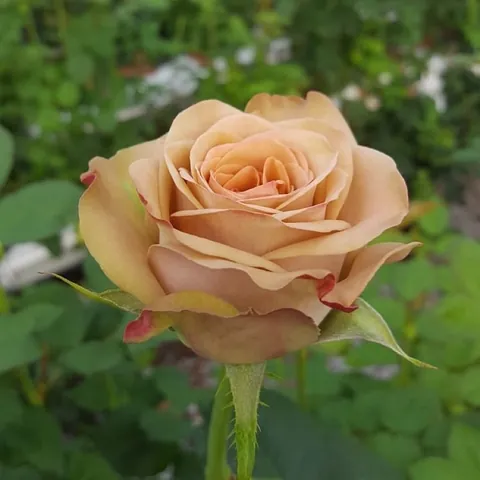
Round-globular, dark maroon with an orange heart
Open flower
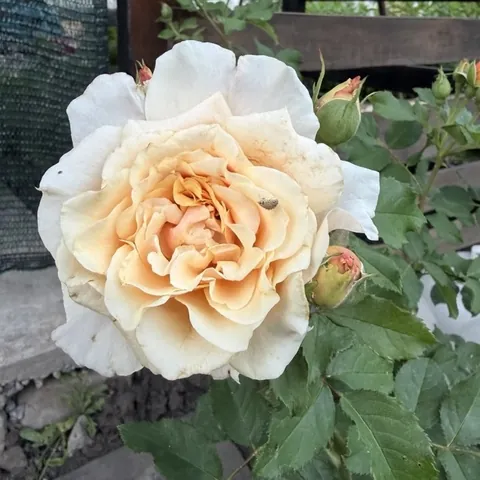
Globular cup; ~10 cm across
Centre
Dark apricot-brown, with a noticeable inner 'glow'
Fullness
Double, 26–40 petals
Flower carriage
In small clusters on the stem

Fragrance

Strong

Strong: myrrh, aniseed, spices (one of the most fragrant Buck-bred roses).

Disease resistance

5 out of 5
Black spotresistantPowdery mildewresistantRustresistant

Outstanding: Buck bred it specifically for resistance to black spot, powdery mildew and rust. ARS rating 8.0 (out of 10).

Sun

Sun or part shade

In heat more pinkish, in cool weather dark mauve.

Thorns

Moderate
thornlessfewmoderatemanyvery many

Moderate number of thorns.

Foliage

Dark green, leathery, disease-resistant.

All characteristics in a table
Group
Shrub rose
Breeder
Griffith Buck, 1985
Bud shape
Round-globular, dark maroon with an orange heart
Open flower
Globular cup; ~10 cm across
Centre
Dark apricot-brown, with a noticeable inner 'glow'
Colour
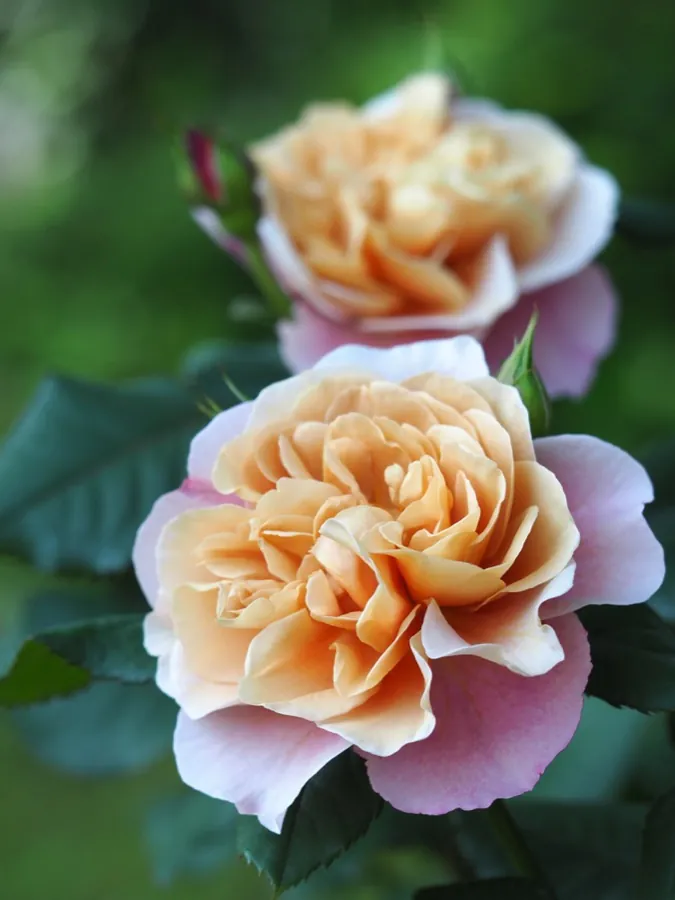
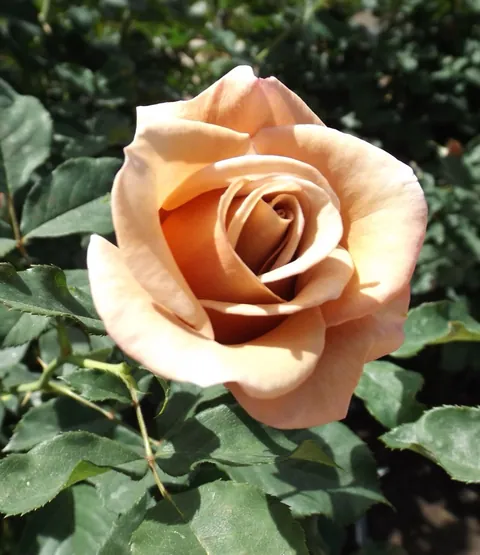
A UNIQUE smoky palette: from bronze-brown / tan in the centre to mauve-purple-lavender at the edges. The colour changes with age: reddish-pink buds, a dark apricot-brown centre, edges fading to smoky lavender. In the sun it looks pinker; in cool weather, dark mauve
Fullness
Double, 26–40 petals
Flower carriage
In small clusters on the stem
Flowering
Repeat-flowering, in waves all season
Fragrance
Strong: myrrh, aniseed, spices (one of the most fragrant Buck-bred roses)
Hips
Orange-red hips; sets well
Habit
Vertical, compact bush, typical of the Buck-type habit
Branching
Good; the bush looks round
Shoots
Sturdy, straight
Thorns
Moderate number of thorns.
Dimensions
90–120 cm tall × 60–90 cm wide
Support
Not needed
Foliage
Dark green, leathery, disease-resistant
Resistance
Outstanding: Buck bred it specifically for resistance to black spot, powdery mildew and rust. ARS rating 8.0 (out of 10)
Variations of the variety
No official sports; the distribution rights holder is Weeks Roses

Colour scheme

A UNIQUE smoky palette: from bronze-brown / tan in the centre to mauve-purple-lavender at the edges. The colour changes with age: reddish-pink buds, a dark apricot-brown centre, edges fading to smoky lavender. In the sun it looks pinker; in cool weather, dark mauve

Rose neighbours

Perennials to plant nearby

Neighbouring roses

The smoky/coffee 'brown' group of modern florist varieties:

Perennial companions

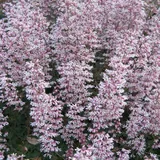
A bronze and silvery-lavender palette brings out the smoky tone of the rose:

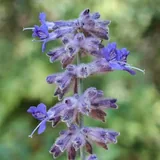
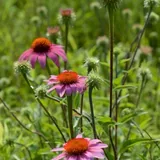
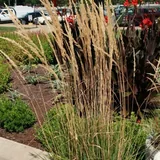
Perovskia atriplicifoliaechinacea 'Cheyenne Spirit'heuchera 'Caramel'switchgrass 'Shenandoah'

Availability worldwide

A classic American breeding — best represented in the USA:

  • 🇪🇺 Europe: limited · Peter Beales occasionally
  • 🇺🇸 USA: Weeks Roses · Grace · Heirloom · J&P · Edmunds
  • 🇯🇵 Asia: 'Distant Drums' (ディスタント ドラムス) in Japanese catalogues
  • 🇺🇦 Ukraine: ROZEM · EDROSES · Capri Flower

More about the variety

Hips
Orange-red hips; sets well
Variations of the variety
No official sports; the distribution rights holder is Weeks Roses

How to grow

Where to plant. Modern beds with a smoky / brown palette, autumn borders with ornamental grasses, cutting beds (its unique colour suits wedding bouquets).

Climate. Buck bred varieties for winter without protection in Iowa (−29 °C), so it is ideal for Ukraine, including the northern regions.

Care. Minimal; outstanding disease resistance. Removing spent flowers encourages new waves; formative pruning in spring.

About the name

Name. 'Distant Drums', English for 'far-off drums', after the popular American song of 1966 by Jim Reeves. The name conveys the mystical, 'far-away', pensive palette of the flower.

Breeding. Raised by Dr. Griffith J. Buck (1915–1991), USA, at Iowa State University; registered 1984, introduced 1985. Parentage: September Song × The Yeoman (Austin 1969), so it has English Austin-rose roots! It belongs to the Buck Roses Collection (about ~90 varieties during the breeder's lifetime).

Significance. One of the most cult selections of Griffith Buck, the legendary American breeder known as the 'American Austin'. Buck created ~90 varieties to survive the harsh winters of the American Midwest, putting resilience ahead of commercial beauty. Buck-bred roses were not entered in commercial competitions (because of Iowa State's position), so they have no AARS and similar awards, but they enjoy cult status among collectors. Distant Drums made the unique 'smoky' palette popular with florists; it is now imitated in wedding bouquets. ARS rating 8.0 ('solid to very good').

Frequently asked questions about Distant Drums

Does Distant Drums need winter protection?

The cultivar’s reference temperature is −29 °C (USDA zone 4b–9b). Overwintering depends on the conditions. Buck bred it for winters without protection; ideal for Ukraine.

How many times a season does Distant Drums flower?

Repeat-flowering, in waves all season.

How big does Distant Drums grow?

90–120 cm tall, 60–90 cm wide.

Which diseases affect Distant Drums?

Overall resistance: 5 out of 5. Buck bred it specifically for resilience; a benchmark among classic shrub roses.

How much sun does Distant Drums need?

Sun or part shade; in heat more pinkish, in cool weather dark mauve.

What does Distant Drums smell like?

Strong: myrrh, aniseed, spices (one of the most fragrant Buck-bred roses).

Gardeners' photos and reviews

My climate

Choose a reference temperature to compare with the cultivar’s data. This is not an overwintering forecast or advice on winter protection; consider wind, moisture and the duration of frost.

Regional data are generalised. USDA describes average annual extreme minima, not a forecast; the values in the list are rounded. Check the conditions at your site. More information: Roses in Ukraine's climate.