




Back to catalogue
FloribundaEugene S. Boerner / Jackson & Perkins, 1958Pink

Coral Gem

US Plant Patent PP 1,797; the work of the legendary Eugene Boerner, the floribunda genius of J&P.

Classic American · Jackson & Perkins

Variety profile

Flowering

Repeat-flowering, in flushes throughout the season

Awards

US PP 1797

Jackson & Perkins patent 1958

Winter hardiness

−20 °C

USDA zone 6b–9b. In Ukraine with winter protection in the northern regions.

Compare reference temperatures

Plant size

75 × 60 cm
person 170 cm75 cm
Habit
Compact and upright – a typical border floribunda
Dimensions
~75 cm tall × 60 cm wide; compact – suitable for small flower beds
Support
Not needed.
Shoots
Moderately stiff; they hold the clusters well
Branching
Good, the bush looks rounded

Flower

≈ 6.3 cm

45 petals.

Bud shape
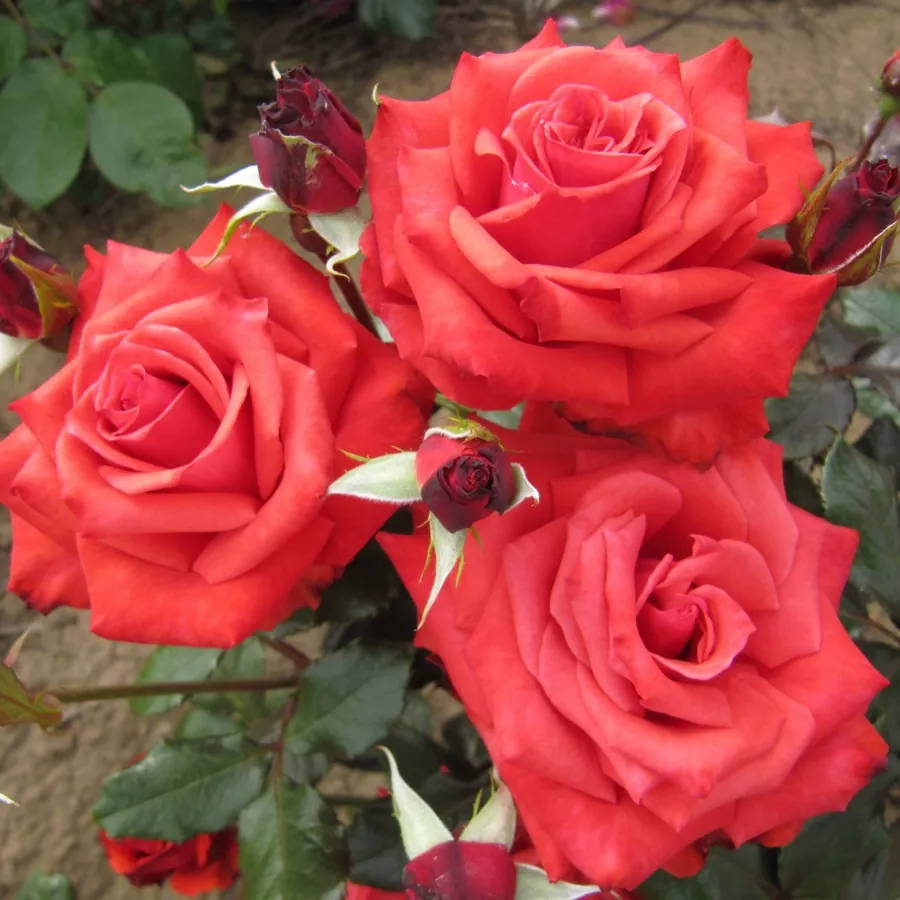
Elongated, high-centred, rich coral
Open flower
Spiral, high-centred (Hybrid Tea form); gradually opens into an open cup; diameter ~6.3 cm
Centre
Dense coral centre, more intense than the outer petals
Fullness
Very full, exactly 45 petals
Flower carriage
Up to 10 flowers per stem in clusters – typical of floribundas

Fragrance

Light fruity

Light fruity – characteristic of Boerner's floral breeding.

Disease resistance

3 out of 5

Typical of the J&P floribundas of the 1950s – needs regular preventive treatments against black spot and powdery mildew.

Sun

Full sun for abundant flowering and a rich tone

Thorns

Moderate
thornlessfewmoderatemanyvery many

Moderate number of thorns (typical of classic floribundas).

Foliage

Dark green, with a bronze tint – a characteristic feature of Jackson & Perkins-type floribundas.

All characteristics in a table
Group
Floribunda
Breeder
Eugene S. Boerner / Jackson & Perkins, 1958
Bud shape
Elongated, high-centred, rich coral
Open flower
Spiral, high-centred (Hybrid Tea form); gradually opens into an open cup; diameter ~6.3 cm
Centre
Dense coral centre, more intense than the outer petals
Colour
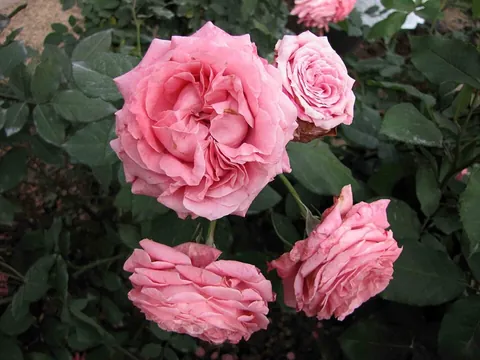
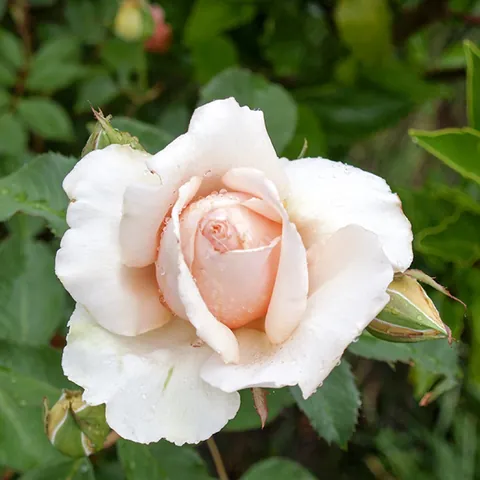
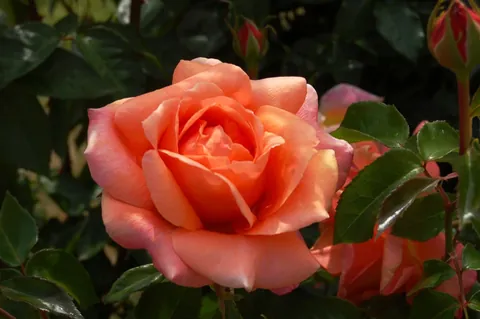
Classic coral-pink ‘pink blend’ – a characteristic feature of Boerner's floribundas; over time it fades to a softer pink
Fullness
Very full, exactly 45 petals
Flower carriage
Up to 10 flowers per stem in clusters – typical of floribundas
Flowering
Repeat-flowering, in flushes throughout the season
Fragrance
Light fruity – characteristic of Boerner's floral breeding
Hips
As a rule, it does not set hips
Habit
Compact and upright – a typical border floribunda
Branching
Good, the bush looks rounded
Shoots
Moderately stiff; they hold the clusters well
Thorns
Moderate number of thorns (typical of classic floribundas).
Dimensions
~75 cm tall × 60 cm wide; compact – suitable for small flower beds
Support
Not needed.
Foliage
Dark green, with a bronze tint – a characteristic feature of Jackson & Perkins-type floribundas
Resistance
Typical of the J&P floribundas of the 1950s – needs regular preventive treatments against black spot and powdery mildew
Variations of the variety
There is a namesake: the New Zealand 'Coral Gem' / synonym 'Victoria Esplanade', bred by Nola M. Simpson (Palmerston North, NZ, approximately 2008–2011). It is a separate modern variety, distributed in Great Britain by the Style Roses group. At present it is consistently unavailable in Ukraine.

Colour scheme

Classic coral-pink ‘pink blend’ – a characteristic feature of Boerner's floribundas; over time it fades to a softer pink

Rose neighbours

Perennials to plant nearby

Neighbouring roses

Warm coral and apricot shades, from the 1950s to the 2010s:

Companion perennials

Blue and purple — a classic cool contrast to coral:

Faassen's catmint (Nepeta)lavender 'Hidcote'salvia 'Caradonna'soft lady's mantle (Alchemilla)

Contrasting accents

White and silver to 'cool down' the hot coral:

cosmos 'Sonata White'heuchera 'Caramel'perennial gypsophila

More about the variety

Hips
As a rule, it does not set hips
Variations of the variety
There is a namesake: the New Zealand 'Coral Gem' / synonym 'Victoria Esplanade', bred by Nola M. Simpson (Palmerston North, NZ, approximately 2008–2011). It is a separate modern variety, distributed in Great Britain by the Style Roses group. At present it is consistently unavailable in Ukraine.

How to grow

Where to plant. Borders, the front of a mixed border with low perennials, group plantings of 3–5 bushes; thanks to its compact silhouette, suitable even for small flower beds.

Climate. USDA 6b–9b (down to −20 °C) – in Ukraine winter protection is advisable in the northern regions; in the south no protection is needed.

Care. As a classic J&P floribunda, it needs regular preventive fungicide treatments against black spot. Formative pruning in spring; removal of spent flowers.

About the name

Name. 'Coral Gem' – English for ‘coral pearl’; conveys the bright coral-pink tone of the classic American floribunda. Bred by Eugene S. Boerner at the house of Jackson & Perkins (USA), 1958. Patent code US Plant Patent PP 1,797. Parentage: (Pinocchio × Mrs. Sam McGredy, Cl.) × Fashion. Over 45 years of work at J&P, Boerner bred more than 60 floribundas – one of the fathers of the floribunda class, together with Svend Poulsen.

Significance. A historically important variety of the golden age of American floribundas in the 1950s. The classic ‘pink blend’ palette is typical of Boerner's floral breeding. Not to be confused with the New Zealand homonym – Coral Gem / Victoria Esplanade Nola M. Simpson (Palmerston North, NZ, approximately 2008–2011), which is distributed in Great Britain through Style Roses Group. The NZ variety is named after Victoria Esplanade Gardens in Palmerston North, where the Dugald MacKenzie Rose Garden is located – the main trial ground of the New Zealand Rose Society. Sympson worked for over 30 years on those trial grounds.

Frequently asked questions about Coral Gem

Does Coral Gem need winter protection?

The cultivar’s reference temperature is −20 °C (USDA zone 6b–9b). Overwintering depends on the conditions. In Ukraine with winter protection in the northern regions.

How many times a season does Coral Gem flower?

Repeat-flowering, in flushes throughout the season.

How big does Coral Gem grow?

About 75 cm tall, about 60 cm wide.

Which diseases affect Coral Gem?

Overall resistance: 3 out of 5. Typical of the J&P floribundas of the 1950s; needs black spot prevention.

How much sun does Coral Gem need?

Sun; full sun for abundant flowering and a rich tone.

What does Coral Gem smell like?

Light fruity – characteristic of Boerner's floral breeding.

Gardeners' photos and reviews

My climate

Choose a reference temperature to compare with the cultivar’s data. This is not an overwintering forecast or advice on winter protection; consider wind, moisture and the duration of frost.

Regional data are generalised. USDA describes average annual extreme minima, not a forecast; the values in the list are rounded. Check the conditions at your site. More information: Roses in Ukraine's climate.