


Back to catalogue
Shrub rose; Japanese floral typeJunko Kawamoto, 2011Pink

Coral Jelly

Original name Corail Gelée / コラーユ・ジュレ; a cult Japanese rose for wedding bouquets.

Wabara style · Japan

Variety profile

Flowering

Repeat-flowering, continuous, in flushes throughout the season

Awards

Wabara style

Iconic Japanese wedding rose

Winter hardiness

−29 °C

USDA zone 5–10. All of Ukraine, no cover needed.

Compare reference temperatures

Plant size

90–200 × 60–80 cm
person 170 cm90–200 cm
Habit
A large shrub or a small climber – versatile in training
Dimensions
90–200 cm tall × 60–80 cm wide; per HMF – up to 200 cm, per Jurmala Roses – 90–150 cm
Support
Optional – as a shrub it needs no support; as a small climber – a low support
Shoots
Long, flexible, arching
Branching
Good; over time it forms a dense bush

Flower

8–12 cm
Bud shape
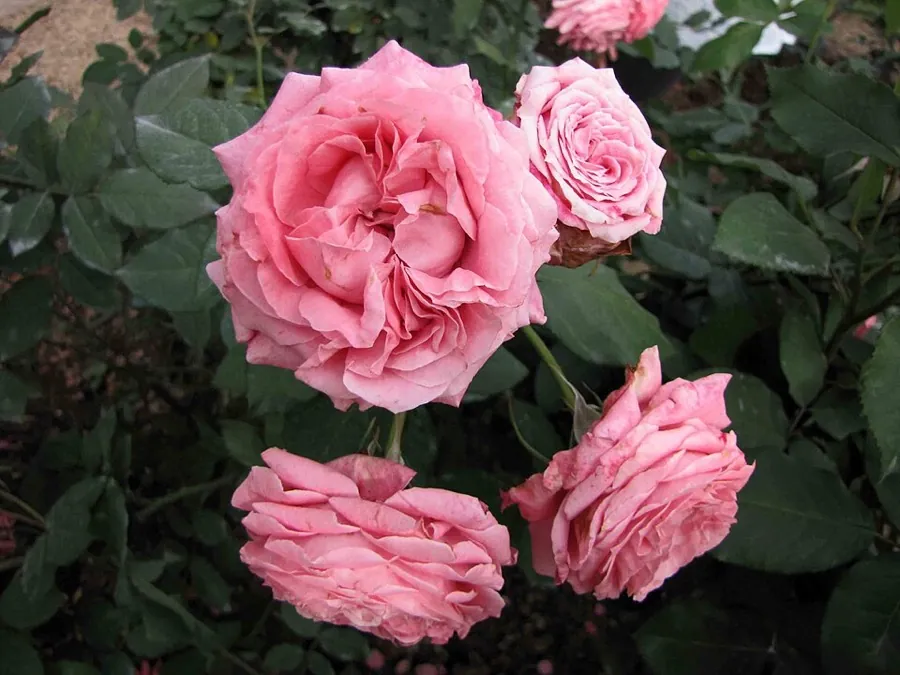
Round-conical, rich coral
Open flower
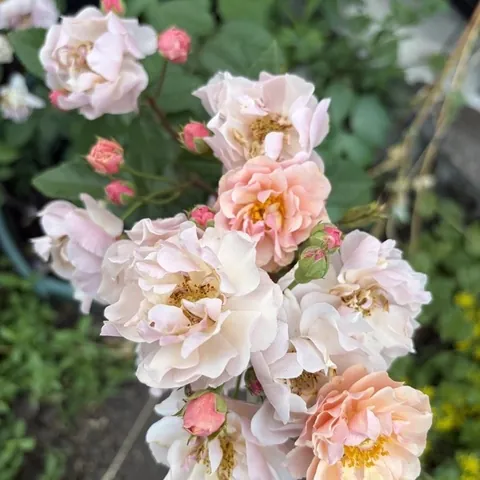
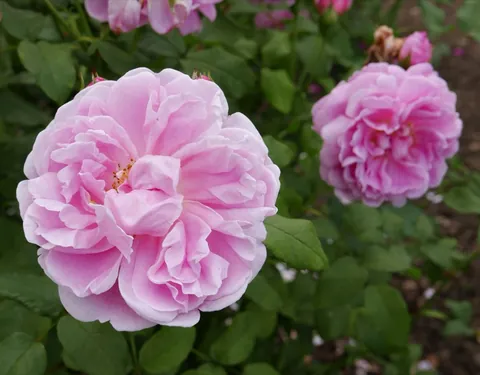
Cupped – nostalgic rosette, with a characteristic wavy (‘ruffled’) petal edge; diameter 8–12 cm
Centre
Dense coral-pink centre
Fullness
Full, 26–40+ petals (‘large, full’ per HMF)
Flower carriage
Mostly in small clusters of 1–3 flowers per shoot

Fragrance

Strong

Medium–strong – fruity, with characteristic notes of lychee and old rose.

Disease resistance

5 out of 5

Exceptional – one of the healthiest modern Japanese varieties.

Sun

Full sun

In summer heat the coral palette fades slightly.

Thorns

Moderate
thornlessfewmoderatemanyvery many

Average number – data are limited (no precise estimate published by the breeder).

Foliage

Dark green, healthy.

All characteristics in a table
Group
Shrub rose; Japanese floral type
Breeder
Junko Kawamoto, 2011
Bud shape
Round-conical, rich coral
Open flower
Cupped – nostalgic rosette, with a characteristic wavy (‘ruffled’) petal edge; diameter 8–12 cm
Centre
Dense coral-pink centre
Colour
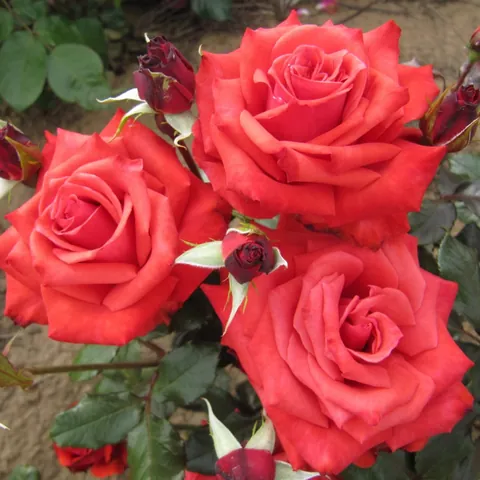
Coral-pink, soft – a characteristic ‘jelly’ pearly tone; fades a little in summer sun
Fullness
Full, 26–40+ petals (‘large, full’ per HMF)
Flower carriage
Mostly in small clusters of 1–3 flowers per shoot
Flowering
Repeat-flowering, continuous, in flushes throughout the season
Fragrance
Medium–strong – fruity, with characteristic notes of lychee and old rose
Hips
Data not verified
Habit
A large shrub or a small climber – versatile in training
Branching
Good; over time it forms a dense bush
Shoots
Long, flexible, arching
Thorns
Average number – data are limited (no precise estimate published by the breeder).
Dimensions
90–200 cm tall × 60–80 cm wide; per HMF – up to 200 cm, per Jurmala Roses – 90–150 cm
Support
Optional – as a shrub it needs no support; as a small climber – a low support
Foliage
Dark green, healthy
Resistance
Exceptional – one of the healthiest modern Japanese varieties
Variations of the variety
Original French name – Corail Gelée; Japanese transcription – コラーユ・ジュレ; Chinese – 珊瑚果冻; 'Coral Jelly' – the trade name for English-speaking markets

Colour scheme

Soft coral-pink – a characteristic jelly-like, pearly tone (‘jelly’); fades a little in summer sun

Rose neighbours

Perennials to plant nearby

Neighbouring roses

A warm coral-pink palette for a romantic garden:

Companion perennials

A light, airy palette that highlights the variety's Japanese character:

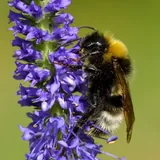
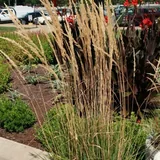
Veronica longifoliagaura 'Whirling Butterflies'phlox 'Bright Eyes'pennisetum

Contrasting accents

Cool green-blues — for a restrained Japanese aesthetic:

hosta 'Halcyon'Moroccan flaxlove-in-a-mist

More about the variety

Hips
Data not verified
Variations of the variety
Original French name – Corail Gelée; Japanese transcription – コラーユ・ジュレ; Chinese – 珊瑚果冻; 'Coral Jelly' – the trade name for English-speaking markets

How to grow

Where to plant. Romantic borders, Japanese-style flower beds, roses for cutting (especially wedding bouquets). As a large shrub – in the centre of a flower bed; as a climber – on a low trellis.

Climate. Down to −29 °C – suitable for all of Ukraine without winter protection.

Care. Minimal – exceptional disease resistance. Removing spent blooms encourages new flushes; formative pruning in spring.

About the name

Name. 'Corail Gelée' – French for ‘frozen coral jelly’, conveying the soft pearly coral-pink tone reminiscent of a Japanese dessert texture. 'Coral Jelly' is the English-language trade version. Bred by Junko Kawamoto (Kawamoto Junko) in Japan, 2011. An independent release (not part of the well-known Wabara series, but made in a similar Wabara-style – Japanese floral shrub roses with a nostalgic form). Parentage not published by the breeder.

Significance. A cult Japanese rose for wedding flower arranging – its ‘jelly’ pearly tone and fruity lychee fragrance have made it a favourite of floral designers. It has exceptional disease resistance and hardiness – a rare combination for Japanese floral varieties. It quickly spread to European markets.

Frequently asked questions about Coral Jelly

Does Coral Jelly need winter protection?

The cultivar’s reference temperature is −29 °C (USDA zone 5–10). Overwintering depends on the conditions.

How many times a season does Coral Jelly flower?

Repeat-flowering, continuous, in flushes throughout the season.

How big does Coral Jelly grow?

90–200 cm tall, 60–80 cm wide.

Which diseases affect Coral Jelly?

Overall resistance: 5 out of 5. Strong disease resistance; one of the healthiest Japanese roses.

How much sun does Coral Jelly need?

Sun; full sun; in summer heat the coral palette fades slightly.

What does Coral Jelly smell like?

Medium–strong – fruity, with characteristic notes of lychee and old rose.

Gardeners' photos and reviews

My climate

Choose a reference temperature to compare with the cultivar’s data. This is not an overwintering forecast or advice on winter protection; consider wind, moisture and the duration of frost.

Regional data are generalised. USDA describes average annual extreme minima, not a forecast; the values in the list are rounded. Check the conditions at your site. More information: Roses in Ukraine's climate.