




Back to catalogue
Large-Flowered ClimberEugene Boerner; Jackson & Perkins, 1952Pink

Coral Dawn

A coral large-flowered climber – a classic of the mid-twentieth century, repeat-flowering.

A classic from 1952 · a coral colour that was rare at the time

Variety profile

Flowering

Repeat flowering

Repeat-flowering: June–July, then again in September–October. Months are approximate, for the climate of Ukraine.

Feature

Repeat flowering

Rare for climbers of the 1950s; a 'child' of New Dawn

Winter hardiness

−26 °C

USDA zone 5b. Down to ≈ −26 °C; in Ukraine it overwinters under winter protection. To ≈ −26 °C · in Ukraine, overwinters with cover.

Compare reference temperatures

Plant size

245–365 cm
person 170 cm245–365 cm
Habit
Tall climber with flexible canes
Dimensions
245–365 cm tall
Support
Needed – an arch, pergola or wall
Shoots
Flexible – easy to lay down for winter
Branching
Good

Flower

12–13 cm
Bud shape
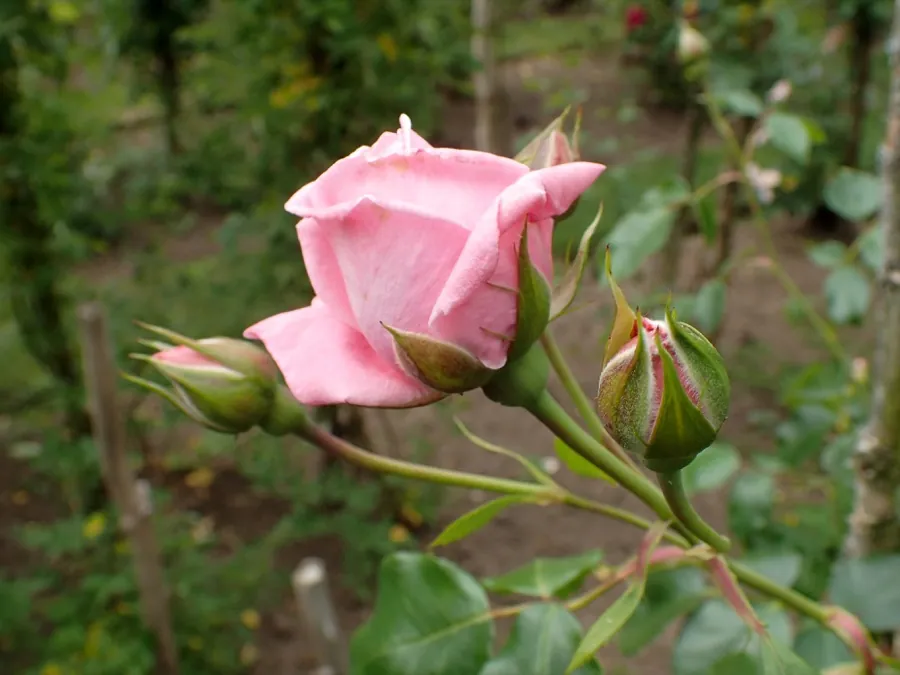
Classic ‘tea’ bud, coral-pink
Open flower
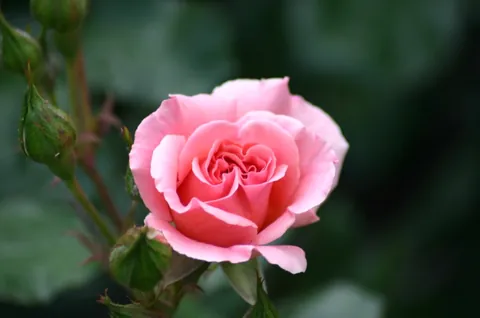
Very double cupped; 12–13 cm
Centre
Dense
Fullness
Double, 30–35 petals
Flower carriage
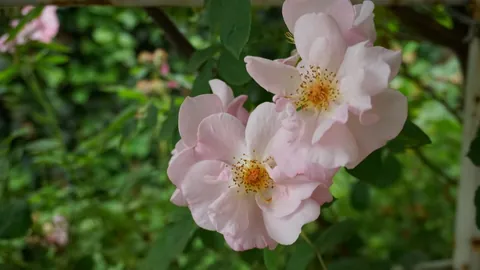
Singly and in small clusters
Colour play
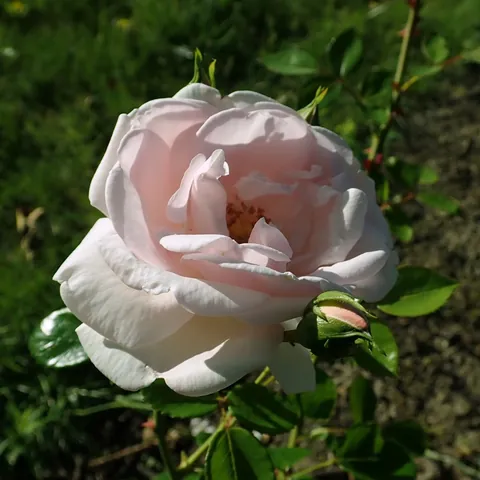
Gradually fades to pure pink

Fragrance

Medium

Medium, sweet rose-like.

Disease resistance

3 out of 5

Medium; in a wet summer, watch for spotting.

Sun

Rain

The delicate petals spoil in rain – a sheltered spot is better.

Foliage

Dark green.

All characteristics in a table
Group
Large-Flowered Climber
Breeder
Eugene Boerner; Jackson & Perkins, USA, 1952
Bud shape
Classic ‘tea’ bud, coral-pink
Open flower
Very double cupped; 12–13 cm
Centre
Dense
Colour
Coral-pink with lighter petal edges
Fullness
Double, 30–35 petals
Flower carriage
Singly and in small clusters
Flowering
Repeat-flowering: June–July, then again in September–October
Fragrance
Medium, sweet rose-like
Colour play
Gradually fades to pure pink
Habit
Tall climber with flexible canes
Branching
Good
Shoots
Flexible – easy to lay down for winter
Thorns
Moderate number of thorns.
Dimensions
245–365 cm tall
Support
Needed – an arch, pergola or wall
Foliage
Dark green
Resistance
Medium; in a wet summer, watch for spotting
Use
Arches, pergolas, walls, fences

Colour scheme

Coral-pink with lighter petal edges

Rose neighbours

Perennials to plant nearby

Neighbouring roses

Soft-pink and salmon climbers from this section harmonise with the coral Coral Dawn.

Companion perennials

Blue and purple perennials set off the coral:

catmint (Nepeta)salvialavenderlamb's ears

Contrasting accents

For contrast beside the coral — blue and lavender:

catmint (Nepeta)lavendersalvia

More about the variety

Use
Arches, pergolas, walls, fences

How to grow

Where to plant. Arches, pergolas, walls; a place sheltered from rain is better (the petals are delicate).

Climate. USDA 5b (down to ≈ −26 °C) – reliable in Ukraine with winter protection; the shoots are flexible and easy to lay down.

Care. As for a climber: support, spring sanitary pruning, covering the shoots for winter.

About the name

Name. 'Coral Dawn' – both for the colour and as a tribute to the parent variety New Dawn. Bred by Eugene Boerner, Jackson & Perkins (USA); 1952. (New Dawn seedling × yellow Hybrid Tea) × orange-red polyantha.

Significance. A classic American climber of the mid-twentieth century – one of the first REPEAT-flowering large-flowered climbers, with a coral colour that was rare at the time. Still in the Sangerhausen collections.

Frequently asked questions about Coral Dawn

Does Coral Dawn need winter protection?

The cultivar’s reference temperature is −26 °C (USDA zone 5b). Overwintering depends on the conditions. Down to ≈ −26 °C; in Ukraine it overwinters under winter protection.

How many times a season does Coral Dawn flower?

Repeat-flowering: June–July, then again in September–October.

How big does Coral Dawn grow?

245–365 cm tall.

Which diseases affect Coral Dawn?

Overall resistance: 3 out of 5. Black spot is possible in a wet summer.

How much sun does Coral Dawn need?

Sun; rain; the delicate petals spoil in rain – a sheltered spot is better.

What does Coral Dawn smell like?

Medium, sweet rose-like.

Gardeners' photos and reviews

My climate

Choose a reference temperature to compare with the cultivar’s data. This is not an overwintering forecast or advice on winter protection; consider wind, moisture and the duration of frost.

Regional data are generalised. USDA describes average annual extreme minima, not a forecast; the values in the list are rounded. Check the conditions at your site. More information: Roses in Ukraine's climate.