

Back to catalogue
English ShrubDavid Austin, 1991Pink

The Cottage Rose

David C. H. Austin Sr.; gave its name to the whole ‘cottage’ style in English Roses.

English Roses · early Austin

Variety profile

Flowering

Repeat flowering

Repeat-flowering, almost continuous with regular deadheading. Months are approximate, for the climate of Ukraine.

Awards

AUSglisten

A classic of the English Roses collection

Winter hardiness

−29 °C

USDA zone 5–10. RHS H6 · all of Ukraine with moderate cover.

Compare reference temperatures

Plant size

100–150 × 90–110 cm
person 170 cm100–150 cm
Habit
Bush-like, somewhat prone to ‘wobbling’ – a typical feature of early English Shrubs
Dimensions
100–150 cm tall × 90–110 cm wide
Support
Optional – a ring support or light trellis helps keep the shape because of its tendency to wobble
Shoots
Medium stiffness; under the weight of the heavy double flowers they bow
Branching
Moderate; the canes spread well from the base

Flower

7–8 cm
Bud shape
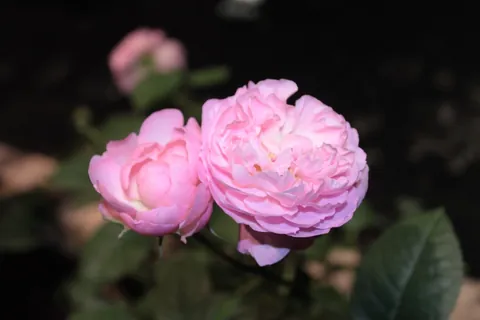
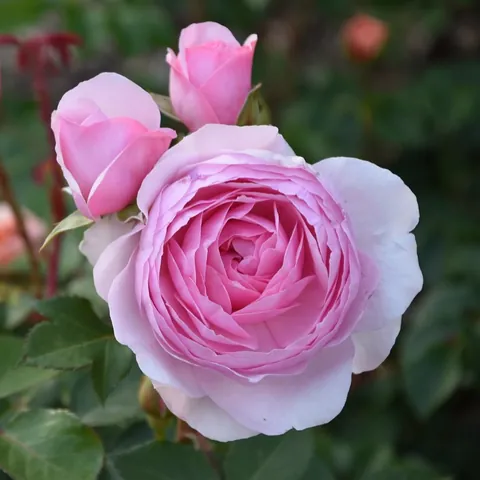
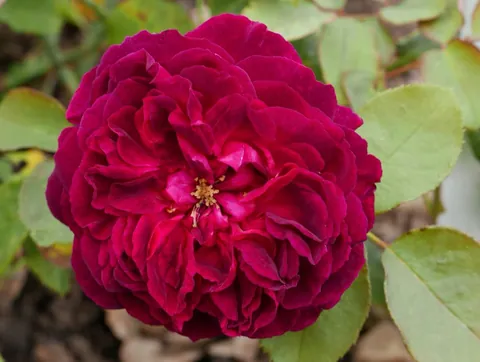
Round-conical, deep pink
Open flower
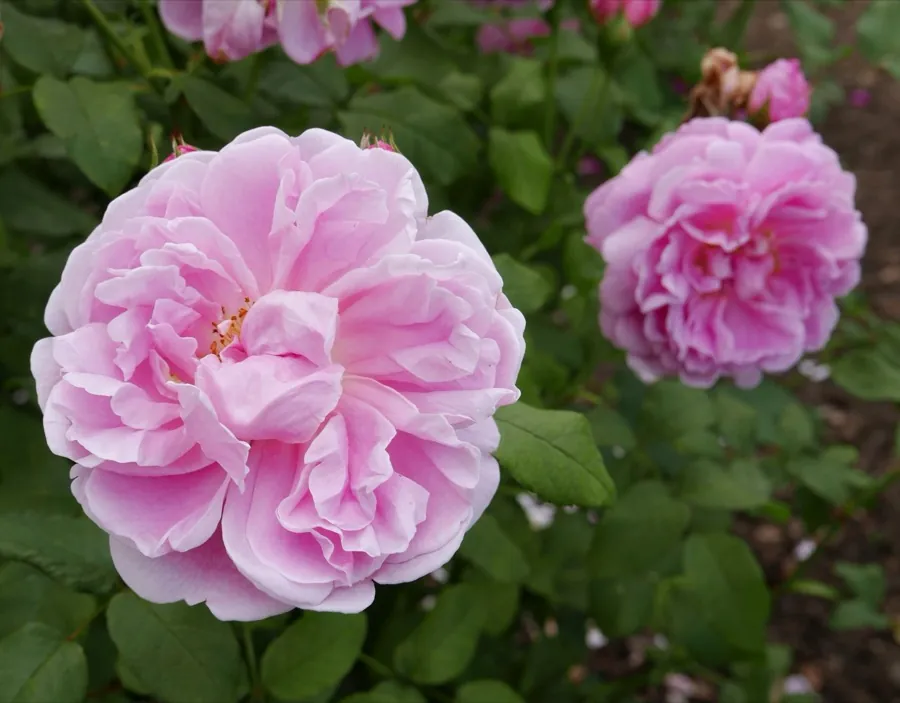
Old-fashioned quartered rosette; diameter 7–8 cm
Centre
Packed into a dense quartered centre; a light salmon tint
Fullness
Very double, 70–95 petals (HMF; Austin gives ~50–60)
Flower carriage
In clusters of 3–5 flowers per shoot

Fragrance

Medium

Light–medium – a classic ‘old rose’ with notes of clove.

Disease resistance

3 out of 5
Black spotsusceptiblePowdery mildewsusceptible

Average – susceptible to black spot and powdery mildew (a typical ‘early Austin’ – the Cottage Rose appeared before Austin began to emphasise health as a key breeding criterion).

Sun

Sun or partial shade

Tolerates partial shade – 4+ hours of sun is enough; the colour holds better in light shade.

Thorns

Many
thornlessfewmoderatemanyvery many

Prickly, typical of Austin – many thorns.

Foliage

Medium green, matt.

Other names

Breeder's code AUSglisten.

All characteristics in a table
Group
English Shrub
Breeder
David Austin, 1991
Bud shape
Round-conical, deep pink
Open flower
Old-fashioned quartered rosette; diameter 7–8 cm
Centre
Packed into a dense quartered centre; a light salmon tint
Colour
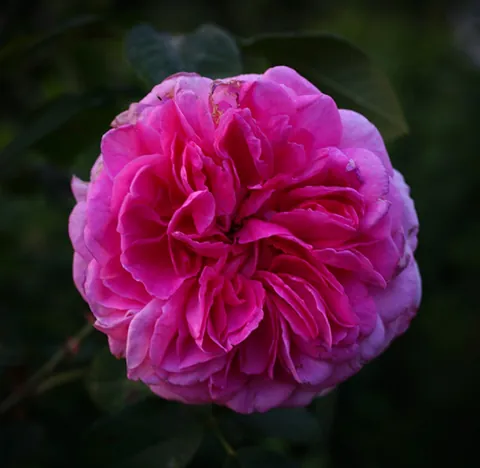
Warm pink (‘warm pink’) with a light salmon tint in the centre; fades over time to a soft rose-lilac
Fullness
Very double, 70–95 petals (HMF; Austin gives ~50–60)
Flower carriage
In clusters of 3–5 flowers per shoot
Flowering
Repeat-flowering, almost continuous with regular deadheading
Fragrance
Light–medium – a classic ‘old rose’ with notes of clove
Hips
Does not form (flowers are fully double)
Habit
Bush-like, somewhat prone to ‘wobbling’ – a typical feature of early English Shrubs
Branching
Moderate; the canes spread well from the base
Shoots
Medium stiffness; under the weight of the heavy double flowers they bow
Thorns
Prickly, typical of Austin – many thorns.
Dimensions
100–150 cm tall × 90–110 cm wide
Support
Optional – a ring support or light trellis helps keep the shape because of its tendency to wobble
Foliage
Medium green, matt
Resistance
Average – susceptible to black spot and powdery mildew (a typical ‘early Austin’ – the Cottage Rose appeared before Austin began to emphasise health as a key breeding criterion)
Variations of the variety
No official sports

Colour scheme

Warm pink (‘warm pink’) with a light salmon tint in the centre; it fades over time to a soft rose-lilac

Rose neighbours

Perennials to plant nearby

Neighbouring roses

Classic pink English Roses — including the parents of Cottage Rose (Mary Rose × Wife of Bath):

Companion perennials

Classic English spires in white, purple and cream for a 'cottage' look:

delphinium 'Magic Fountains'salvia 'Caradonna'foxglove 'Camelot Cream'soft lady's mantle (Alchemilla)

Contrasting accents

Blue and silver — to 'cool down' the warm pink palette:

narrow-leaved lavendergeranium 'Brookside'artemisia 'Powis Castle'

More about the variety

Hips
Does not form (flowers are fully double)
Variations of the variety
No official sports

How to grow

Where to plant. Romantic ‘cottage gardens’, English-style mixed borders, the centre of a flower bed next to perennials; looks good in a group planting of 3 bushes.

Climate. Down to −29 °C – RHS H6; suitable for all of Ukraine with moderate winter protection in the northern regions.

Care. Regular preventive fungicide treatments against black spot (the variety's weak point). A ring support or light trellis helps keep the bush from ‘wobbling’. Formative pruning in spring; removal of spent blooms.

About the name

Name. 'The Cottage Rose' – English for ‘cottage rose’; it conveys the character of a rural English garden – lush, fragrant, romantic. The name became the standard way of describing a whole style within English Roses. Bred by David C. H. Austin Sr. at the house of David Austin Roses Ltd. (Great Britain), 1991. Patent code AUSglisten. Parentage: Wife of Bath × Mary Rose – both parents are themselves early English Roses Austin.

Significance. One of the early English Shrubs Austin's, which gave its name to the whole ‘cottage’ style – pink, lush, fragrant, romantic. It belongs to the classic English Roses collection. Although for health it lags behind the modern Austin roses (the 1990s come before the ‘Best For Health’ period), it remains a benchmark in collections for its romantic character and historical significance.

Frequently asked questions about The Cottage Rose

Does The Cottage Rose need winter protection?

The cultivar’s reference temperature is −29 °C (USDA zone 5–10). Overwintering depends on the conditions.

How many times a season does The Cottage Rose flower?

Repeat-flowering, almost continuous with regular deadheading.

How big does The Cottage Rose grow?

100–150 cm tall, 90–110 cm wide.

Which diseases affect The Cottage Rose?

Overall resistance: 3 out of 5. Average; sensitive to black spot and powdery mildew; a typical ‘early Austin’.

How much sun does The Cottage Rose need?

Sun or partial shade; tolerates partial shade – 4+ hours of sun is enough; the colour holds better in light shade.

What does The Cottage Rose smell like?

Light–medium – a classic ‘old rose’ with notes of clove.

Gardeners' photos and reviews

My climate

Choose a reference temperature to compare with the cultivar’s data. This is not an overwintering forecast or advice on winter protection; consider wind, moisture and the duration of frost.

Regional data are generalised. USDA describes average annual extreme minima, not a forecast; the values in the list are rounded. Check the conditions at your site. More information: Roses in Ukraine's climate.