


Back to catalogue
Florist Rose; cut-flower typeSchreursLilac and purple

Dolcetto

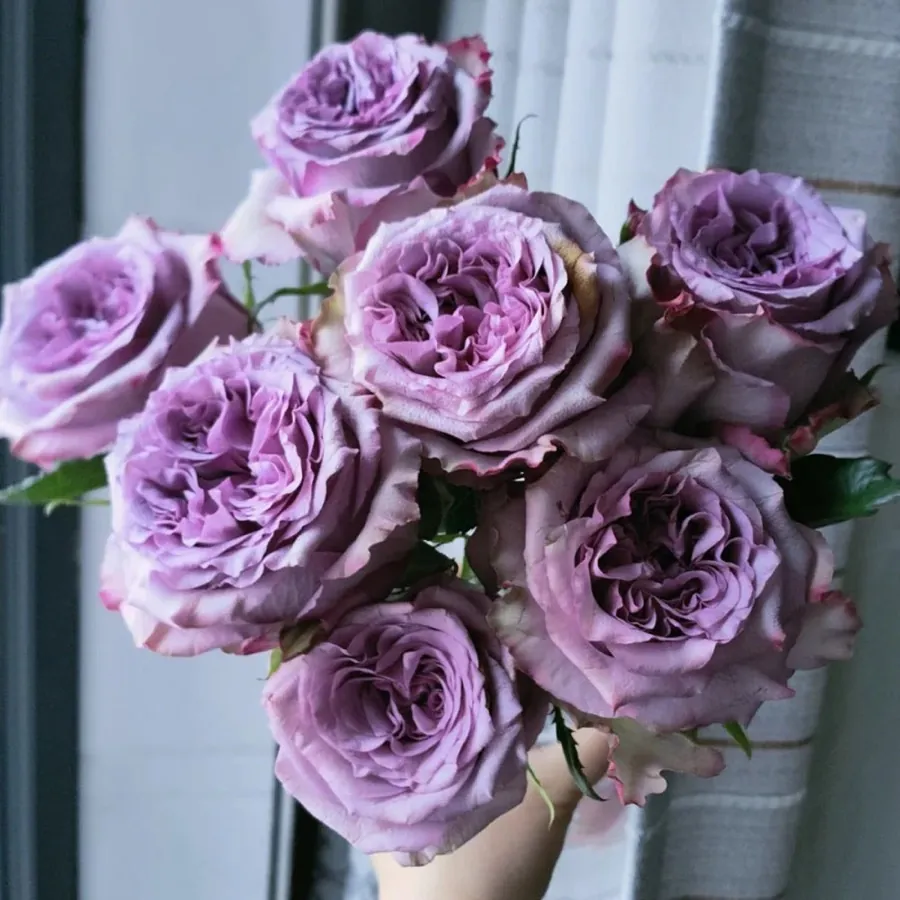
SCH40919; P. N. J. Schreurs; a cut-flower mauve-lilac with a frilly vintage edge.

Schreurs · vintage wedding floristry

Variety profile

Flowering

Repeat-flowering; as a cut flower, vase life of 10–12 days

Awards

Schreurs

The leading mauve-lilac cut rose of the 2010s

Winter hardiness

−23 °C

USDA zone 5–10. In Ukraine with winter protection in the open ground.

Compare reference temperatures

Plant size

60–100 cm
person 170 cm60–100 cm
Habit
Compact, upright; typical of Schreurs cut-flower varieties
Dimensions
60–100 cm tall; stems 50–60 cm
Support
Not needed
Shoots
Straight, long (50–60 cm), ideal for cutting
Branching
Moderate; a low bush, but it branches well

Flower

≈ 10 cm

65–75 petals.

Bud shape
Rounded oval, dark mauve with a pink tint
Open flower
Deeply cupped, quartered, with petal edges that curl slightly (a 'vintage' trait); about 10 cm across
Centre
Dense heart with a cream-green tinge when half-open
Fullness
Very double, 65–75 petals
Flower carriage
Mostly large flowers borne singly on the stem (florist type)

Fragrance

Barely noticeable

Barely noticeable, practically absent; this is a cut-flower selection for form and vase life.

Disease resistance

4 out of 5

Good, as stated by Schreurs.

Sun

Full sun to bring out the mauve palette

Thorns

Few
thornlessfewmoderatemanyvery many

Few or almost none; typical of Schreurs cut-flower varieties.

Foliage

Dark green, healthy.

All characteristics in a table
Group
Florist Rose; cut-flower type
Breeder
Schreurs, Netherlands
Bud shape
Rounded oval, dark mauve with a pink tint
Open flower
Deeply cupped, quartered, with petal edges that curl slightly (a 'vintage' trait); about 10 cm across
Centre
Dense heart with a cream-green tinge when half-open
Colour
Mauve-lilac ('antique purple') with a pink tint and a dark pink-wine edge to the petals; a characteristic 'vintage' look
Fullness
Very double, 65–75 petals
Flower carriage
Mostly large flowers borne singly on the stem (florist type)
Flowering
Repeat-flowering; as a cut flower, vase life of 10–12 days
Fragrance
Barely noticeable, practically absent; this is a cut-flower selection for form and vase life
Hips
Not formed; a cut-flower variety, buds are removed
Habit
Compact, upright; typical of Schreurs cut-flower varieties
Branching
Moderate; a low bush, but it branches well
Shoots
Straight, long (50–60 cm), ideal for cutting
Thorns
Few or almost none; typical of Schreurs cut-flower varieties.
Dimensions
60–100 cm tall; stems 50–60 cm
Support
Not needed
Foliage
Dark green, healthy
Resistance
Good, as stated by Schreurs
Variations of the variety
Not to be confused with other 'Dolcetto' varieties (a wine from northern Italy, where different trade names may exist)

Colour scheme

Mauve-lilac ('antique purple') with a pink tint and a dark pink-wine edge to the petals; a characteristic 'vintage' look

Rose neighbours

Perennials to plant nearby

Neighbouring roses

Mauve-lavender palette for a 'vintage violet' look:

Perennial companions

Steel-blue and silvery — an Anglo-French vintage aesthetic:

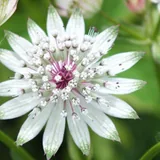
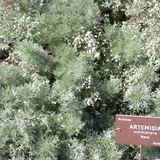
Salvia 'Mainacht'astrantia 'Roma'sea holly (Eryngium)artemisia

Availability worldwide

A top variety of modern mauve floristry, widely available as cut flowers:

  • 🇪🇺 Europe: Dutch auctions · across the EU
  • 🇺🇸 USA: Highgarden Roses · florist imports
  • 🇨🇳 Asia: China (多姿桃) · Korea · Japan — widely used at weddings
  • 🇺🇦 Ukraine: widely sold as CUT FLOWERS at flower wholesalers · young plants less often

More about the variety

Hips
Not formed; a cut-flower variety, buds are removed
Variations of the variety
Not to be confused with other 'Dolcetto' varieties (a wine from northern Italy, where different trade names may exist)

How to grow

Where to plant. Flower beds for cutting, 'vintage' beds with lavender and silver perennials; because of its weak scent, pair it with fragrant neighbours in arrangements. As a cut rose, for wedding flowers.

Climate. Down to −23 °C; in Ukraine with winter protection in the open ground in all regions except the far south.

Care. For cutting, cut in the morning when the bud is half open. Removing spent flowers encourages new waves; formative pruning in spring.

About the name

Name. 'Dolcetto', Italian for 'little sweet one' (from dolce, 'sweet'); also the name of a well-known wine variety from Piedmont (Italy). The name conveys the vintage, noble character of the flower.

Breeding. IMPORTANT, this is a Schreurs variety (the Netherlands), not Barni (Italy) or Tantau, which are common mistakes. Raised by Petrus Nicolaas Johannes Schreurs at Schreurs Roses (Aalsmeer, the Netherlands), before 2000; on the market actively from about 2014–2015. Internal code SCH40919. Parentage not disclosed (a trade secret).

Significance. One of the leading mauve-lilac cut-flower varieties of the 2010s, which made 'vintage purple' widely available for wedding flowers. Part of the Florist Rose series (Schreurs' cut-flower line), the best fragrant and romantic forms of the Dutch house.

Frequently asked questions about Dolcetto

Does Dolcetto need winter protection?

The cultivar’s reference temperature is −23 °C (USDA zone 5–10). Overwintering depends on the conditions. In Ukraine with winter protection in the open ground.

How many times a season does Dolcetto flower?

Repeat-flowering; as a cut flower, vase life of 10–12 days.

How big does Dolcetto grow?

60–100 cm tall.

Which diseases affect Dolcetto?

Overall resistance: 4 out of 5. Good resistance; vase life of 10–12 days, a record among mauves.

How much sun does Dolcetto need?

Sun; full sun to bring out the mauve palette.

What does Dolcetto smell like?

Barely noticeable, practically absent; this is a cut-flower selection for form and vase life.

Gardeners' photos and reviews

My climate

Choose a reference temperature to compare with the cultivar’s data. This is not an overwintering forecast or advice on winter protection; consider wind, moisture and the duration of frost.

Regional data are generalised. USDA describes average annual extreme minima, not a forecast; the values in the list are rounded. Check the conditions at your site. More information: Roses in Ukraine's climate.