


Back to catalogue
FloribundaChristian Bédard; Weeks RosesLilac and purple

Koko Loko

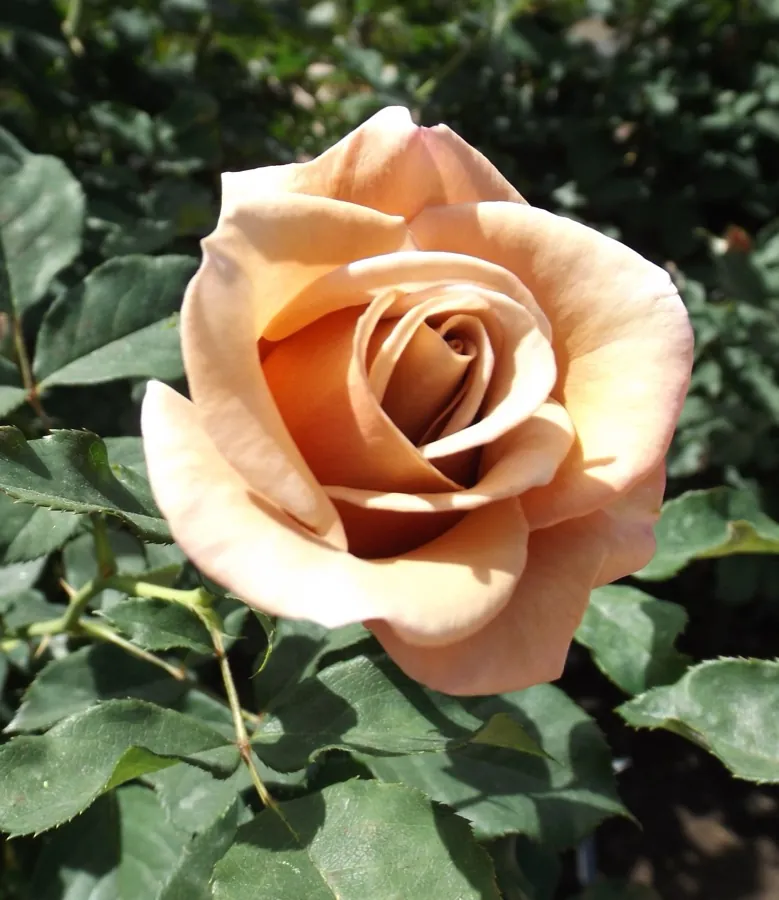
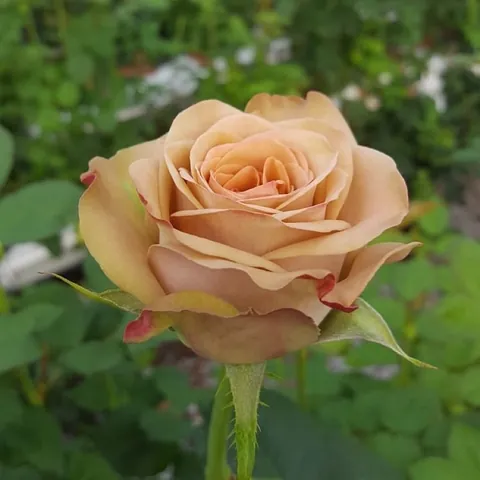
Milky-chocolate bud – lavender-mauve flower – silvery mauve ageing; a pioneer of the modern 'brown rose' category; a hit of wedding floristry in the 2010s.

'brown rose' category · fashion hit of the 2010s

Variety profile

Flowering

Repeat, with pauses

Legacy

«Brown rose»

Pioneer of the category · alongside Hot Cocoa, Distant Drums · without official awards

Winter hardiness

−20 °C

USDA zone 6b–10. In Ukraine with moderate winter protection.

Compare reference temperatures

Plant size

80–110 × 60–90 cm
person 170 cm80–110 cm
Habit
Compact upright — a typical modern Weeks FL
Dimensions
80–110 (up to 140) × 60–90 cm
Support
No support needed
Shoots
Medium length, strong
Branching
Good

Flower

7–9 cm
Bud shape
Milky-chocolate / mocha — a rare colour among buds
Open flower
High-centred — a typical HT form, but class FL
Centre
Densely packed, in the same colour as the petals
Fullness
Full, 25–35 petals
Flower carriage
In small clusters of 3–5 flowers

Fragrance

Moderate; black tea + spices

Moderate — light notes of black tea, spices and a mild sweetness; interesting and unusual.

Disease resistance

4 out of 5
Black spotmoderatePowdery mildewmoderate

3–4/5 — 'above average' according to Weeks; moderate to black spot.

Sun

Sun+shade

Full sun; light afternoon shade keeps the colour from fading.

Thorns

Moderate
thornlessfewmoderatemanyvery many

Medium number, typical of modern FLs.

Foliage

Dark green, leathery.

Other names

Soul Sister
All characteristics in a table
Group
Floribunda
Breeder
Christian Bédard; Weeks Roses, USA
Bud shape
Milky-chocolate / mocha — a rare colour among buds
Open flower
High-centred — a typical HT form, but class FL
Centre
Densely packed, in the same colour as the petals
Colour
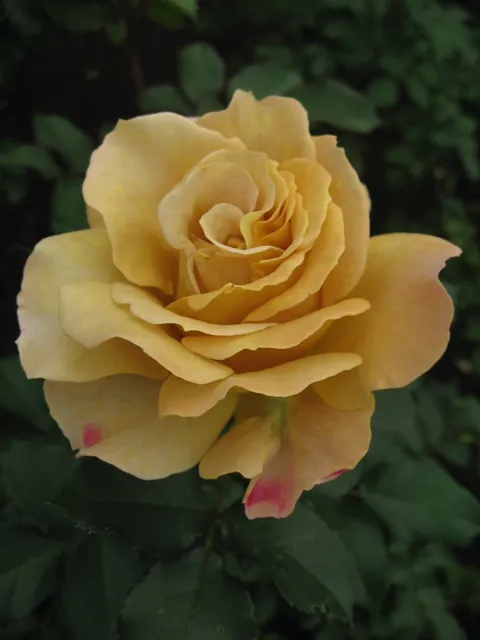
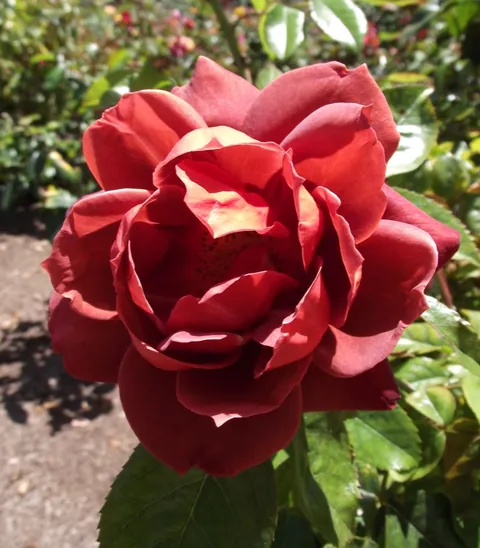
A unique 3-stage colour range: a milky-chocolate bud – opens to creamy lavender-mauve ('milky lavender') – ages to silvery mauve. One of the first commercially successful varieties in the 'brown-lavender' (taupe/coffee) colour category.
Fullness
Full, 25–35 petals
Flower carriage
In small clusters of 3–5 flowers
Flowering
Repeat, with pauses
Fragrance
Moderate — light notes of black tea, spices and a mild sweetness; interesting and unusual
Hips
Not documented
Habit
Compact upright — a typical modern Weeks FL
Branching
Good
Shoots
Medium length, strong
Thorns
Medium number, typical of modern FLs.
Dimensions
80–110 (up to 140) × 60–90 cm
Support
No support needed
Foliage
Dark green, leathery
Resistance
3–4/5 — 'above average' according to Weeks; moderate to black spot
Variations of the variety
Code WEKbijou (NOT WEKbipuhit, as is often wrongly given); US PP 23,269; parentage Blueberry Hill × Pot O'Gold; synonym Soul Sister (Australia, Swane's Nurseries since 2015)

Colour scheme

A unique 3-stage colour range: a milky-chocolate bud – opens to creamy lavender-mauve ('milky lavender') – ages to silvery mauve. One of the first commercially successful varieties in the 'brown-lavender' (taupe/coffee) colour category.

Rose neighbours

Perennials to plant nearby

Neighbouring roses

The 'Brown rose' family — a new commercial category of the 2000s–2010s:

Companion perennials

Bronze-silver accents bring out the chocolate-lavender palette:

heuchera 'Caramel'lamb's earsalvia 'Caradonna'ornamental grasses

Availability worldwide

One of the most fashionable varieties of the last 10 years:

  • 🇺🇸 USA: high · Weeks Roses
  • 🇦🇺 Australia: high · as Soul Sister
  • 🇪🇺 Europe: moderate · a fashion hit
  • 🇺🇦 Ukraine: moderate · through European nurseries

More about the variety

Hips
Not documented
Variations of the variety
Code WEKbijou (NOT WEKbipuhit, as is often wrongly given); US PP 23,269; parentage Blueberry Hill × Pot O'Gold; synonym Soul Sister (Australia, Swane's Nurseries since 2015)

How to grow

Where to plant. Fashionable wedding borders, mono-nude groups, containers on modern terraces, 'boho' florist gardens; ideal as a duo with Hot Cocoa and Cappuccino as a 'chocolate triptych'.

Climate. To −20 °C — in Ukraine with moderate winter protection; in the south — no protection.

Care. Classic FL — spring pruning; removing spent blooms encourages new flushes; light afternoon shade keeps the colour from fading.

About the name

Name. 'Koko Loko' — a play on words: 'cocoa' / 'chocolate' + 'loco' / 'loko' ('crazy' in Spanish) — for its unusual chocolate-lavender range. Christian Bédard confirmed the spelling 'Loko', not 'Loco' — this is the variety's authorial spelling.

Breeding. Bred by Christian Bédard for Weeks Roses (USA), bred in 2008, market in 2012. Code WEKbijou. US PP 23,269. Parentage: 'Blueberry Hill' × 'Pot O'Gold' (Floribunda × Hybrid Tea). It is often wrongly credited to Tom Carruth (a different Weeks breeder) — in fact it is Bédard's. The code WEKbipuhit in some sources is incorrect — the true code is WEKbijou.

Significance. A pioneer of the modern 'brown/taupe rose' category, together with Hot Cocoa (Carruth 2003, AARS) and Distant Drums (Buck 1985). It gave a push to the fashion for 'nude' varieties in wedding floristry in the 2010s. No official awards (AARS/ADR/AGM) — purely an aesthetic/commercial hit. The 'brown' varieties in our catalogue are now 6: Koko Loko + Hot Cocoa + Cappuccino + Distant Drums + Guinness + Honey Dijon — a full thematic group for the handbook.

Frequently asked questions about Koko Loko

Does Koko Loko need winter protection?

The cultivar’s reference temperature is −20 °C (USDA zone 6b–10). Overwintering depends on the conditions. In Ukraine with moderate winter protection.

How many times a season does Koko Loko flower?

Repeat, with pauses.

How big does Koko Loko grow?

80–110 cm tall, 60–90 cm wide.

Which diseases affect Koko Loko?

Overall resistance: 4 out of 5. 3–4 / 5; 'above average' (Weeks); moderate to black spot, good against powdery mildew.

How much sun does Koko Loko need?

Sun+shade; full sun; light afternoon shade keeps the colour from fading.

What does Koko Loko smell like?

Moderate — light notes of black tea, spices and a mild sweetness; interesting and unusual.

Gardeners' photos and reviews

My climate

Choose a reference temperature to compare with the cultivar’s data. This is not an overwintering forecast or advice on winter protection; consider wind, moisture and the duration of frost.

Regional data are generalised. USDA describes average annual extreme minima, not a forecast; the values in the list are rounded. Check the conditions at your site. More information: Roses in Ukraine's climate.