


Back to catalogue
Climbing FloribundaDr. Keith W. Zary, 1997Pink

Dream Weaver

US PP 9,492; one of the most popular climbing floribundas in the USA in the late 1990s.

Jackson & Perkins · USA

Variety profile

Flowering

Repeat flowering

Continuous from June until the first frosts. Months are approximate, for the climate of Ukraine.

Awards

PP 9492

US Patent 1996 · ARS rating 7,9

Winter hardiness

−20 °C

USDA zone 6b–9b. In Ukraine with winter protection.

Compare reference temperatures

Plant size

300–360 × 90–150 cm
person 170 cm300–360 cm
Habit
A vigorous climber — Large-Flowered Climber / Climbing Floribunda
Dimensions
300–360 cm high × 90–150 cm wide
Support
Needs support — arch, pergola, wall trellis
Shoots
Long, form well on a support
Branching
Good; over time forms a dense framework

Flower

≈ 9 cm

Full, ~30 petals (range 26–40) petals.

Bud shape
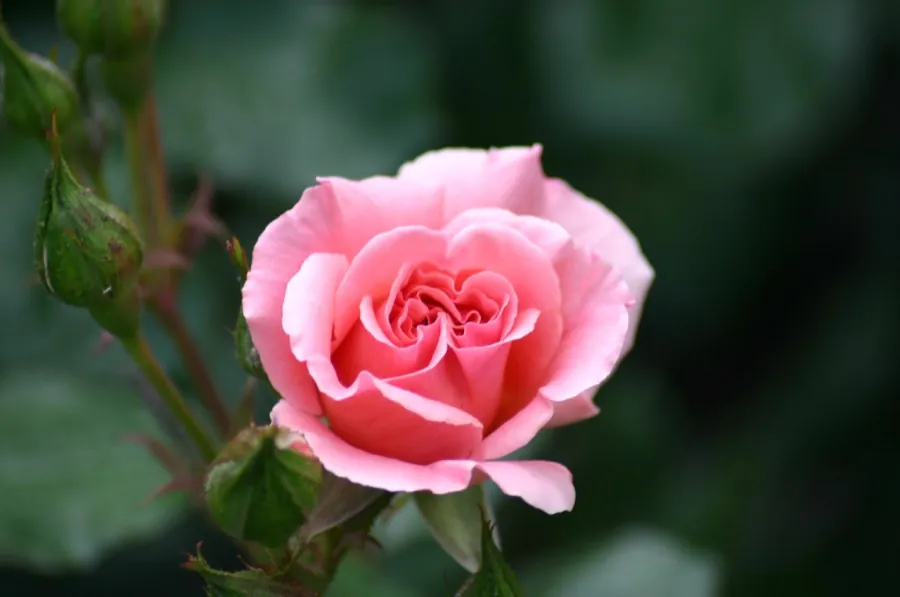
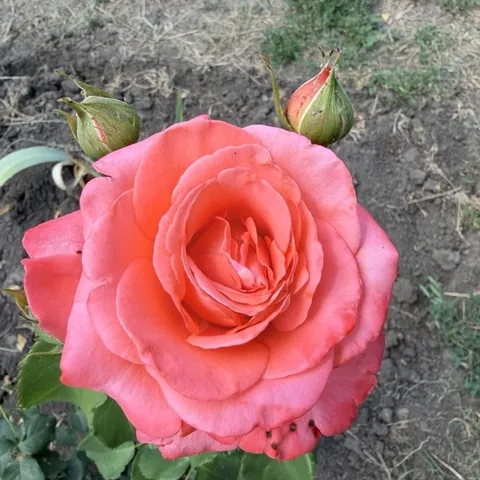
Round-conical, deep coral
Open flower
High-centred at first, then opens flat; diameter ~9 cm
Centre
Dense coral-orange centre
Fullness
Full, ~30 petals (range 26–40)
Flower carriage
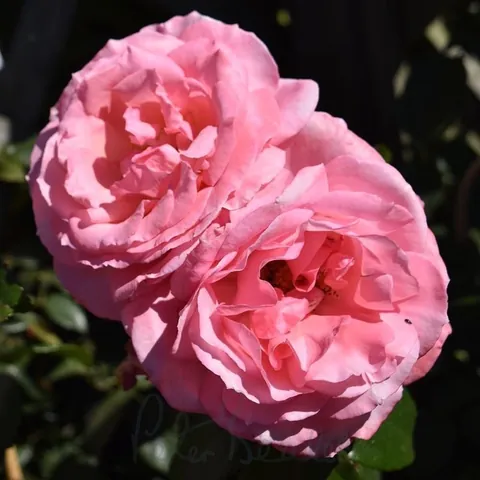
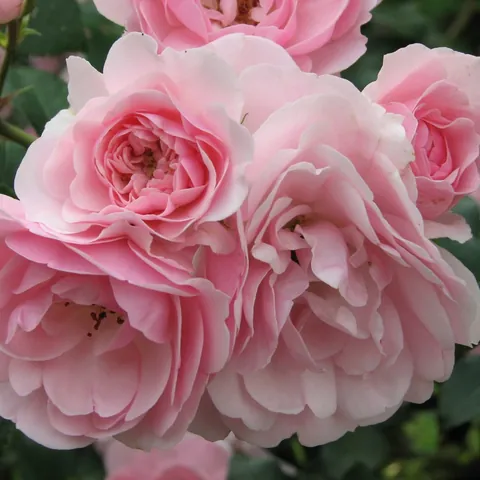
In dense clusters — like a floribunda

Fragrance

Moderate

Moderate, with a note of old garden rose.

Disease resistance

5 out of 5
Black spotresistantPowdery mildewresistantRustresistant

4.5/5 — very good; resistant to powdery mildew, rust and black spot (one of the variety's key strengths).

Sun

Full sun for abundant continuous flowering

Thorns

Moderate
thornlessfewmoderatemanyvery many

Moderate prickles, typical for climbers.

Foliage

Dark green, leathery, very healthy.

Other names

Breeder's code JACpicl.

All characteristics in a table
Group
Climbing Floribunda
Breeder
Dr. Keith W. Zary, 1997
Bud shape
Round-conical, deep coral
Open flower
High-centred at first, then opens flat; diameter ~9 cm
Centre
Dense coral-orange centre
Colour
Saturated coral to warm pink with an orange-pink tone; fades to a soft pink
Fullness
Full, ~30 petals (range 26–40)
Flower carriage
In dense clusters — like a floribunda
Flowering
Continuous from June until the first frosts
Fragrance
Moderate, with a note of old garden rose
Hips
Rarely formed due to intense repeat flowering
Habit
A vigorous climber — Large-Flowered Climber / Climbing Floribunda
Branching
Good; over time forms a dense framework
Shoots
Long, form well on a support
Thorns
Moderate prickles, typical for climbers.
Dimensions
300–360 cm high × 90–150 cm wide
Support
Needs support — arch, pergola, wall trellis
Foliage
Dark green, leathery, very healthy
Resistance
4.5/5 — very good; resistant to powdery mildew, rust and black spot (one of the variety's key strengths)
Variations of the variety
No official sports

Colour scheme

Saturated coral to warm pink with an orange-pink tone; fades to a soft pink

Rose neighbours

Perennials to plant nearby

Rose neighbours and clematis

Other coral climbers + violet clematis for a classic contrast:

Dancing QueenDee Dee BridgewaterClematis 'Étoile Violette'Clematis 'Princess Diana'

Companion perennials

Underplanting at the base: warm orange-caramel + violet:

Geranium 'Rozanne'Hemerocallis 'Pardon Me'Heuchera 'Caramel'Salvia 'Caradonna'

Availability worldwide

Climber bestseller in the USA, 1990s–2000s:

  • 🇪🇺 Europe: moderate · mostly via J&P imports
  • 🇺🇸 USA: Grace Rose Farm · Heirloom · Otto&Sons · J&P
  • 🇯🇵 Asia: ドリーム ウィーバー · moderate
  • 🇺🇦 Ukraine: rare in catalogues · mostly in older reference books

More about the variety

Hips
Rarely formed due to intense repeat flowering
Variations of the variety
No official sports

How to grow

Where to plant. Arches, pergolas, trellises, south-facing house walls — needs room for vigorous growth of 10–12 ft; paired with purple clematis it makes a dramatic contrast.

Climate. Down to −20 °C — in Ukraine winter protection is needed in most regions except the far south.

Care. Pruning of climbers is minimal; it is important to train the main canes horizontally; needs almost no chemical protection thanks to its exceptional resistance.

About the name

Name. 'Dream Weaver' — English for 'weaver of dreams'; probably a reference to the popular 1976 song by Gary Wright. The name conveys the light, poetic character of the coral-pink flower clusters.

Breeding. IMPORTANT: the breeder is Dr. Keith W. Zary, NOT Williams (a common mistake). Bred by Jackson & Perkins / Bear Creek Gardens (USA), before 1995; introduced in 1997. Patent code JACpicl (US Patent PP 9,492, granted 2 April 1996). Parentage: Pink Polyanna™ × Lady of the Dawn.

Significance. One of the most popular climbing floribundas of the late 1990s in North America. Valued for dense clusters of coral flowers and exceptional leaf health — a rare combination among climbers. Sources often mention an AARS rating of 7.9; there is no official AARS award year in the lists — it appears only as 'AARS-rated', not 'AARS winner'.

Frequently asked questions about Dream Weaver

Does Dream Weaver need winter protection?

The cultivar’s reference temperature is −20 °C (USDA zone 6b–9b). Overwintering depends on the conditions. In Ukraine with winter protection.

How many times a season does Dream Weaver flower?

Continuous from June until the first frosts.

How big does Dream Weaver grow?

300–360 cm tall, 90–150 cm wide.

Which diseases affect Dream Weaver?

Overall resistance: 5 out of 5. One of its best features; resistant to powdery mildew, rust and black spot.

How much sun does Dream Weaver need?

Sun; full sun for abundant continuous flowering.

What does Dream Weaver smell like?

Moderate, with a note of old garden rose.

Gardeners' photos and reviews

My climate

Choose a reference temperature to compare with the cultivar’s data. This is not an overwintering forecast or advice on winter protection; consider wind, moisture and the duration of frost.

Regional data are generalised. USDA describes average annual extreme minima, not a forecast; the values in the list are rounded. Check the conditions at your site. More information: Roses in Ukraine's climate.