



Back to catalogue
Climbing Hybrid TeaFryers, 2004Pink

Dancing Queen

Gareth Fryer; RHS AGM; named after ABBA's hit of 1976.

Large-Flowered Climber · ClHT

Variety profile

Flowering

Repeat flowering

Repeat, continuous from June to October. Months are approximate, for the climate of Ukraine.

Awards

RHS AGM

Award of Garden Merit — the RHS gold standard

Winter hardiness

−20 °C

USDA zone 6b–9b. In Ukraine with winter protection.

Compare reference temperatures

Plant size

270–300 × 150–180 cm
person 170 cm270–300 cm
Habit
Powerful climber, typical of a Large-Flowered Climber
Dimensions
270–300 cm tall × 150–180 cm wide
Support
Needs support: arch, pergola, trellis or south wall
Shoots
Long, flexible, easy to train on a support
Branching
Good; over time it forms a dense framework

Flower

10–12 cm
Bud shape
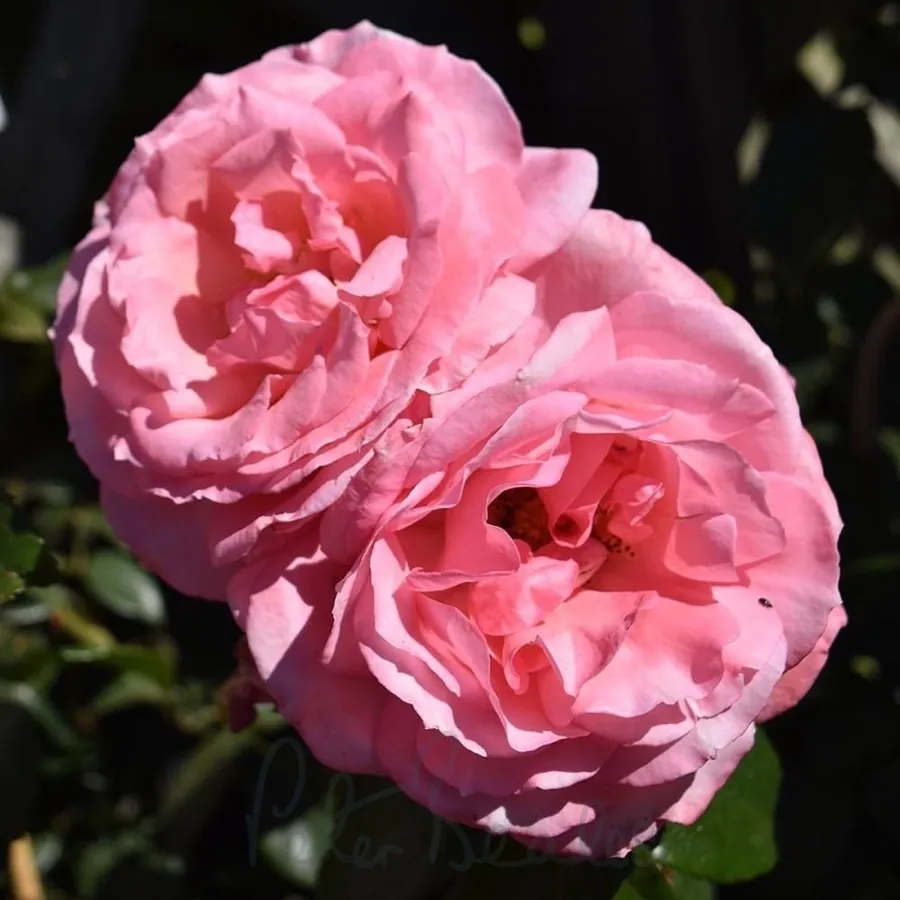
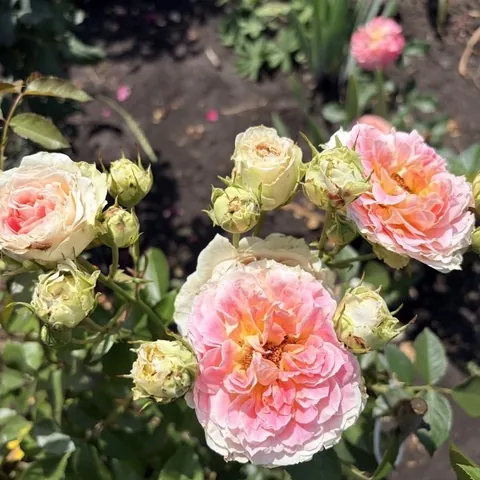
Elongated, high-centred, deep pink
Open flower
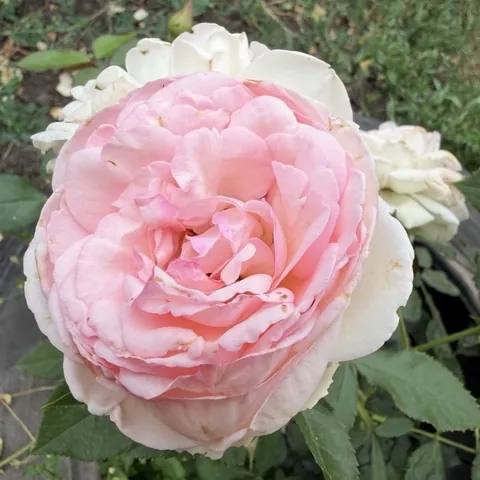
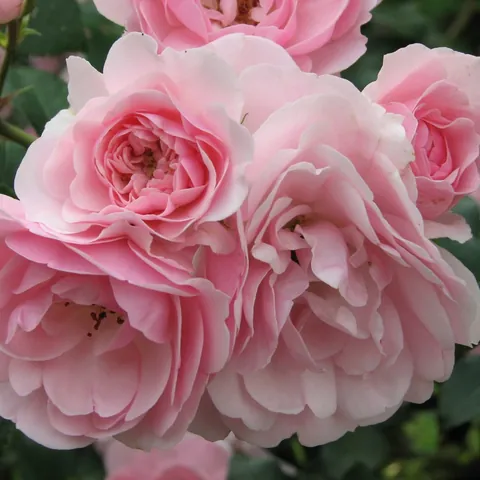
Cupped to rosette-shaped, large; 10–12 cm across
Centre
Dense coral-pink heart
Fullness
Double, 17–25 petals
Flower carriage
Borne singly or in small clusters of 2–3

Fragrance

Moderate

Moderate, sweet.

Disease resistance

4 out of 5

Above average, typical Fryer-quality.

Sun

Sun or part shade

4+ hours of direct sun for abundant flowering.

Thorns

Moderate
thornlessfewmoderatemanyvery many

Moderate thorns, typical for a climber.

Foliage

Dark green, glossy; a healthy base.

Other names

Breeder's code FRYfestoon.

All characteristics in a table
Group
Climbing Hybrid Tea
Breeder
Fryers, 2004
Bud shape
Elongated, high-centred, deep pink
Open flower
Cupped to rosette-shaped, large; 10–12 cm across
Centre
Dense coral-pink heart
Colour
Deep pink, warm pink to salmon-pink; the reverse is paler
Fullness
Double, 17–25 petals
Flower carriage
Borne singly or in small clusters of 2–3
Flowering
Repeat, continuous from June to October
Fragrance
Moderate, sweet
Hips
Minimal; flowers are cut to encourage repeat bloom
Habit
Powerful climber, typical of a Large-Flowered Climber
Branching
Good; over time it forms a dense framework
Shoots
Long, flexible, easy to train on a support
Thorns
Moderate thorns, typical for a climber.
Dimensions
270–300 cm tall × 150–180 cm wide
Support
Needs support: arch, pergola, trellis or south wall
Foliage
Dark green, glossy; a healthy base
Resistance
Above average, typical Fryer-quality
Variations of the variety
No official sports

Colour scheme

Deep pink, a warm pink to salmon-pink; the reverse is paler

Rose neighbours

Perennials to plant nearby

Neighbouring roses and clematis

Other large climbers + purple clematis (the classic partner for climbing roses):

Pierre de RonsardCésarClematis 'Étoile Violette'Clematis 'Mme Julia Correvon'

Perennial companions

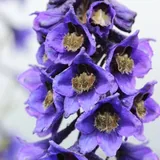
Blue and purple spires — a classic cool contrast to the warm salmon-pink:

delphinium Pacific Giantsmonkshood (aconite)lavender 'Munstead'catmint 'Walker's Low'

Availability worldwide

A top British climber of the 2000s — widely available:

  • 🇬🇧 Europe: Fryers · Peter Beales · Ashridge · D. Austin
  • 🇺🇸 USA: almost absent (UK patent)
  • 🇮🇳 Asia: Mainaam Garden (India)
  • 🇺🇦 Ukraine: Ecosad · Vseroste · Yaskrava Klumba · Tsvitsad

More about the variety

Hips
Minimal; flowers are cut to encourage repeat bloom
Variations of the variety
No official sports

How to grow

Where to plant. Arches, pergolas, trellises, south-facing house walls, tall obelisks; in the landscape as a vertical accent or paired with purple clematis.

Climate. Down to −20 °C; in Ukraine it needs winter protection in most regions except the far south.

Care. Light pruning of the climber (only old or diseased canes are removed); it is important to train the main shoots horizontally for abundant side flowering.

About the name

Name. 'Dancing Queen', named after ABBA's legendary 1976 hit, one of the most popular dance songs of the twentieth century. The name conveys the dynamic, playful character of the variety.

Breeding. Raised by Gareth Fryer at Fryers Roses (Knutsford, Cheshire, Great Britain; a family firm since 1912); introduced in 2004. Registration code FRYfestoon. Parentage not published.

Significance. One of the most popular modern pink climbers in Britain in the 2000s. It won the RHS Award of Garden Merit, the RHS gold standard, which guarantees the variety is reliable in a British garden. In Ukraine it is often wrongly classed as a Hybrid Tea; in fact it is a Climbing Hybrid Tea.

Frequently asked questions about Dancing Queen

Does Dancing Queen need winter protection?

The cultivar’s reference temperature is −20 °C (USDA zone 6b–9b). Overwintering depends on the conditions. In Ukraine with winter protection.

How many times a season does Dancing Queen flower?

Repeat, continuous from June to October.

How big does Dancing Queen grow?

270–300 cm tall, 150–180 cm wide.

Which diseases affect Dancing Queen?

Overall resistance: 4 out of 5. Above average; dark green, glossy foliage.

How much sun does Dancing Queen need?

Sun or part shade; 4+ hours of direct sun for abundant flowering.

What does Dancing Queen smell like?

Moderate, sweet.

Gardeners' photos and reviews

My climate

Choose a reference temperature to compare with the cultivar’s data. This is not an overwintering forecast or advice on winter protection; consider wind, moisture and the duration of frost.

Regional data are generalised. USDA describes average annual extreme minima, not a forecast; the values in the list are rounded. Check the conditions at your site. More information: Roses in Ukraine's climate.