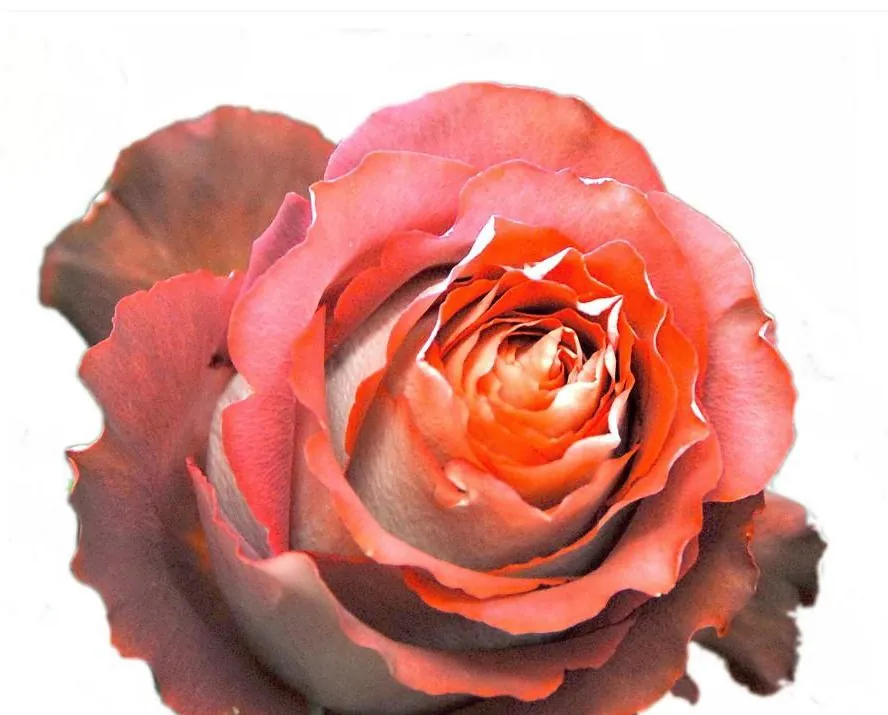
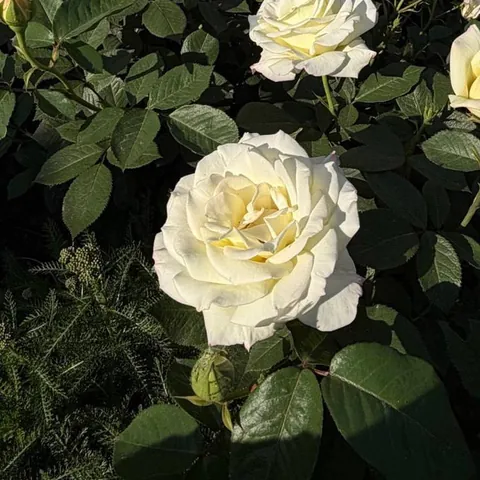




Guinness, close-up of the flower
Back to catalogue
Hybrid Tea2011Pink

Guinness

NOT to be confused with the historic French 'Guinée' (Mallerin/Guillot, 1937, a dark red climber) — that is a different variety, the modern terracotta-brown hybrid tea.

Modern Dutch cut-flower rose

Variety profile

Flowering

Repeat, in flushes through the season; in a greenhouse — year-round

Origin

Netherlands

Cut-flower breeding · probably Lex+/Schreurs/Olij

Winter hardiness

−23 °C

USDA zone 5–6. In Ukraine with winter cover.

Compare reference temperatures

Plant size

80–100 × 60–70 cm
person 170 cm80–100 cm
Habit
Upright, compact — a typical cut-flower HT
Dimensions
80–100 cm tall × 60–70 cm wide
Support
No support needed
Shoots
Strong, straight, with long commercial stems
Branching
Good

Flower

7–10 cm
Bud shape
Elongated, high-centred, dark terracotta brown
Open flower
Classic hybrid tea goblet-shaped form; diameter 7–10 cm
Centre
A lighter terracotta, creating a 'glass of beer' gradient
Fullness
Full, 40+ petals
Flower carriage
Singly on a stem — a classic cut-flower HT

Fragrance

Barely noticeable

Barely noticeable — typical of modern cut-flower varieties (bred for vase life, not for scent).

Disease resistance

4 out of 5

Medium-high — modern Dutch greenhouse selection; USDA hardiness data differ between sources (5 vs 6), so for Ukraine I recommend winter cover.

Sun

Full sun to bring out the smoky tone

Thorns

Few
thornlessfewmoderatemanyvery many

Few prickles — the commercial standard for cut flowers.

Foliage

Dark green, leathery, healthy.

All characteristics in a table
Group
Hybrid Tea
Breeder
2011
Bud shape
Elongated, high-centred, dark terracotta brown
Open flower
Classic hybrid tea goblet-shaped form; diameter 7–10 cm
Centre
A lighter terracotta, creating a 'glass of beer' gradient
Colour
Rare terracotta-brown colour with a silvery, smoky tint on the outside; the tone deepens in the sun and softens in the shade
Fullness
Full, 40+ petals
Flower carriage
Singly on a stem — a classic cut-flower HT
Flowering
Repeat, in flushes through the season; in a greenhouse — year-round
Fragrance
Barely noticeable — typical of modern cut-flower varieties (bred for vase life, not for scent)
Hips
Not documented (constant cutting interrupts it)
Habit
Upright, compact — a typical cut-flower HT
Branching
Good
Shoots
Strong, straight, with long commercial stems
Thorns
Few prickles — the commercial standard for cut flowers.
Dimensions
80–100 cm tall × 60–70 cm wide
Support
No support needed
Foliage
Dark green, leathery, healthy
Resistance
Medium-high — modern Dutch greenhouse selection; USDA hardiness data differ between sources (5 vs 6), so for Ukraine I recommend winter cover
Variations of the variety
No exact HelpMeFind registration is recorded — the variety is known through Ukrainian and Dutch nurseries (Posadka, Traskovskyi, Olij); parentage not published

Colour scheme

A rare terracotta-brown colour with a silvery, smoky tint on the outside; the tone deepens in the sun and softens in the shade.

Rose neighbours

Perennials to plant nearby

Neighbouring roses

A palette of 'smoky' and dark varieties for a dramatic border:

Companion perennials

Silver-violet palette + warm yellow — brings out the 'pint of beer' look:

lavender 'Hidcote'Stachys byzantina (lamb's ear)gaillardia 'Aurum'lady's mantle (Alchemilla)

Availability worldwide

A modern Dutch cut-flower variety with a broad presence in florist trade:

  • 🇪🇺 Europe: high · Dutch glasshouses · Royal FloraHolland
  • 🇺🇸 USA: moderate · florists working in niche colours
  • 🇯🇵 Asia: moderate · via the Dutch auction
  • 🇺🇦 Ukraine: moderate · available from nurseries (Posadka, Traskovskyi)

More about the variety

Hips
Not documented (constant cutting interrupts it)
Variations of the variety
No exact HelpMeFind registration is recorded — the variety is known through Ukrainian and Dutch nurseries (Posadka, Traskovskyi, Olij); parentage not published

How to grow

Where to plant. Dark 'wine' borders, containers on a terrace near places where you sit, and bouquet cut-flower groups. It creates a dramatic contrast when planted with white or yellow varieties, and is ideal for themed 'bar' or 'cocktail' flower beds.

Climate. Down to −23 °C — in northern and central Ukraine with winter cover; in southern Ukraine with moderate cover.

Care. Classic HT — prune in spring; removing spent blooms encourages new flushes; standard seasonal disease prevention.

About the name

Name. 'Guinness' is a tribute to the Irish stout Guinness, the legendary dark beer of the Dublin brewery (founded in 1759 by Arthur Guinness). Deep chocolate-brown petals with a frothy, lighter centre resemble a glass of beer with white foam. The name is an example of the modern marketing approach to naming cut-flower varieties: a bright commercial association that helps sales.

Breeding. An exact registration of the variety in HelpMeFind is not documented. According to Ukrainian nurseries (Posadka, Traskovskyi, Rozarii) and Dutch growers, the variety was bred in the Netherlands around 2011, probably by the house of Lex+, Schreurs or Olij (leading breeders of Dutch cut roses). The parentage is not published, which is standard practice for commercial breeders.

Significance. IMPORTANT NOT TO CONFUSE: there is also the historic French 'Guinée' (Mallerin/Guillot, 1937), a dark red climbing HT and one of the benchmark dark red classics of the twentieth century. These are DIFFERENT varieties. Guinness is a modern Dutch hybrid tea of terracotta-brown tone; Guinée is an old French dark red climber. On the Ukrainian market, 'Guinness' refers exclusively to the modern Dutch variety. Guinness belongs to the group of modern 'fashionable brown' cut-flower varieties alongside Cappuccino, Hot Chocolate and Cinnabar, a new commercial category of roses for unusual bouquets and wedding flowers in the 2010s.

Frequently asked questions about Guinness

Does Guinness need winter protection?

The cultivar’s reference temperature is −23 °C (USDA zone 5–6). Overwintering depends on the conditions. In Ukraine with winter cover.

How many times a season does Guinness flower?

Repeat, in flushes through the season; in a greenhouse — year-round.

How big does Guinness grow?

80–100 cm tall, 60–70 cm wide.

Which diseases affect Guinness?

Overall resistance: 4 out of 5. Good; modern greenhouse selection.

How much sun does Guinness need?

Sun; full sun to bring out the smoky tone.

What does Guinness smell like?

Barely noticeable — typical of modern cut-flower varieties (bred for vase life, not for scent).

Gardeners' photos and reviews

My climate

Choose a reference temperature to compare with the cultivar’s data. This is not an overwintering forecast or advice on winter protection; consider wind, moisture and the duration of frost.

Regional data are generalised. USDA describes average annual extreme minima, not a forecast; the values in the list are rounded. Check the conditions at your site. More information: Roses in Ukraine's climate.