Back to catalogue
English Shrub Rose; the David Austin English Roses collectionDavid C. H. Austin Sr.; David Austin Roses, 2004Pink

Harlow Carr

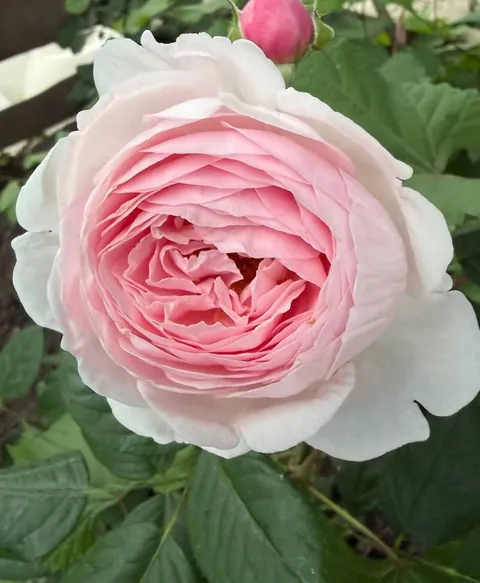
Pink English shrub; scent: strong; named after the Royal Horticultural Society (RHS) garden 'Harlow Carr' in Harrogate, North Yorkshire (England).

Aushouse

Variety profile

Flowering

Repeat flowering

Abundant repeat flowering from early summer until late autumn. Months are approximate, for the climate of Ukraine.

Legacy

Austin 2004

Aushouse

Winter hardiness

−20 °C

USDA zone 6b. The whole of Ukraine, with cover in the north.

Compare reference temperatures

Plant size

120 × 120 cm
person 170 cm120 cm
Habit
English shrub, David Austin
Dimensions
120 × 120 (per RHS more compact, approx. 90 × 90) cm (height × width)

Flower

41 petals (per David Austin's official description; up to ~120 in fully open flowers) petals
Bud shape
Rounded, full buds
Open flower
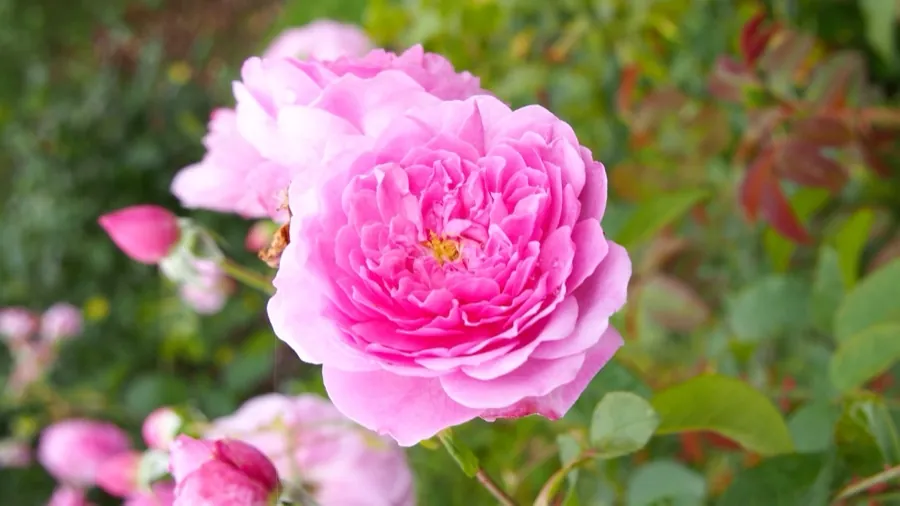
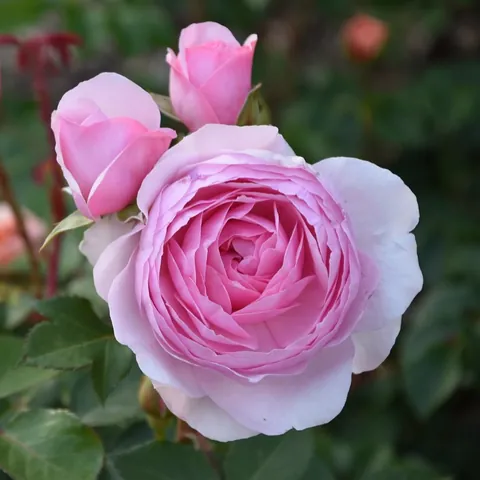
Cupped, very double; diameter 6–7 (≈6.5) cm
Centre
Numerous petals curling towards the centre; when fully open, the stamens are visible.
Fullness
41 petals (per David Austin's official description; up to ~120 in fully open flowers)

Fragrance

Strong; a strong, pure scent of the old-fashioned rose (Old Rose).

Disease resistance

4 out of 5

4/5 — good disease resistance; a reliable, healthy shrub that David Austin recommends even to beginners.

Sun

4–6 hours

Sun and shade; sun or light partial shade (at least 4–6 hours of sun).

Thorns

Moderate
thornlessfewmoderatemanyvery many

Thorniness: moderate.

Foliage

Young leaves with a bronze tint, later turning a rich green; the bush is dense and leafy almost to the ground.

All characteristics in a table
Group
English Shrub Rose; the David Austin English Roses collection
Breeder
David C. H. Austin Sr.; David Austin Roses, United Kingdom, 2004
Bud shape
Rounded, full buds
Open flower
Cupped, very double; diameter 6–7 (≈6.5) cm
Centre
Numerous petals curling towards the centre; when fully open, the stamens are visible.
Colour
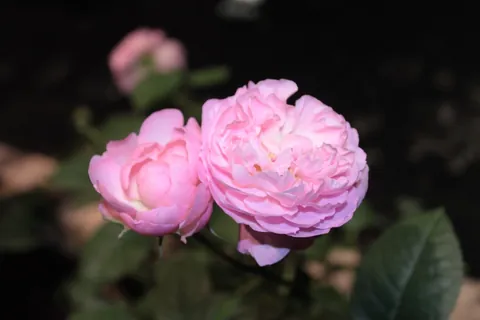
Pink — a pure, saturated pink (a warm 'rose-pink') tone, even, without transitions; keeps its colour until the flower fades.
Fullness
41 petals (per David Austin's official description; up to ~120 in fully open flowers)
Flowering
Abundant repeat flowering from early summer until late autumn.
Fragrance
Strong — a strong, pure scent of the old-fashioned rose (Old Rose).
Hips
Not documented — the flowers are cut off to encourage repeat flowering
Habit
English shrub, David Austin
Thorns
Thorniness: moderate.
Dimensions
120 × 120 (per RHS more compact, approx. 90 × 90) cm (height × width)
Foliage
Young leaves with a bronze tint, later turning a rich green; the bush is dense and leafy almost to the ground.
Resistance
4/5 — good disease resistance; a reliable, healthy shrub that David Austin recommends even to beginners.
Variations of the variety
Code Aushouse; introduced in 2004 (Great Britain). Parentage: unnamed seedling × Ausman ('Ausman')
Colour scheme

Pink — a pure, saturated pink (a warm 'rose-pink') tone, even, without transitions; keeps its colour until the flower fades.

Rose neighbours

Perennials to plant nearby

Neighbouring roses

Other David Austin English Roses — together they form a single 'Austin corner' of the garden:

Companion perennials

Perennials that set off the bush well:

lavendercatmintlady's mantle (Alchemilla)stachys

Availability worldwide

A David Austin English Roses variety:

🇬🇧 UK: very high · homeland🇺🇸 USA: high · via Austin USA🇪🇺 Europe: high · via Austin Europe🇺🇦 Ukraine: moderate · via Austin partners

More about the variety

Hips
Not documented — the flowers are cut off to encourage repeat flowering
Variations of the variety
Code Aushouse; introduced in 2004 (Great Britain). Parentage: unnamed seedling × Ausman ('Ausman')
How to grow

Where to plant. In mixed borders among perennials, as a fragrant accent beside a path, bench or entrance; beautiful in the English cottage style.

Climate. The whole of Ukraine (USDA 6b, −20 °C); in the northern regions light winter cover is advisable.

Care. Sun or light partial shade (at least 4–6 hours of sun a day); a well-ventilated spot; feed 2× per season; prune about ⅓ in spring. Its disease resistance allows minimal prevention.

About the name

Name. Named after the garden of the Royal Horticultural Society (RHS), 'Harlow Carr' in Harrogate, North Yorkshire (England). The variety was released in 2004.

Breeding. Bred by David C. H. Austin Sr. at David Austin Roses (Albrighton, Great Britain). Code Aushouse. Introduced in 2004. Parentage: unnamed seedling × Ausman ('Ausman').

Significance. One of David Austin's most popular pink English roses: a compact, healthy and undemanding shrub of a perfectly round shape, which flowers almost to the ground. It is often recommended for borders and for beginners.

Frequently asked questions about Harlow Carr

Does Harlow Carr need winter protection?

The cultivar’s reference temperature is −20 °C (USDA zone 6b). Overwintering depends on the conditions. The whole of Ukraine, with cover in the north.

How many times a season does Harlow Carr flower?

Abundant repeat flowering from early summer until late autumn.

How big does Harlow Carr grow?

About 120 cm tall, about 120 cm wide.

Which diseases affect Harlow Carr?

Overall resistance: 4 out of 5. Good disease resistance; a reliable, healthy shrub that David Austin recommends.

How much sun does Harlow Carr need?

Sun and shade; sun or light partial shade (at least 4–6 hours of sun).

What does Harlow Carr smell like?

Strong — a strong, pure scent of the old-fashioned rose (Old Rose).

Gardeners' photos and reviews

My climate

Choose a reference temperature to compare with the cultivar’s data. This is not an overwintering forecast or advice on winter protection; consider wind, moisture and the duration of frost.

Regional data are generalised. USDA describes average annual extreme minima, not a forecast; the values in the list are rounded. Check the conditions at your site. More information: Roses in Ukraine's climate.