


Back to catalogue
Large-Flowered Climber; climbing; a transitional climber/shrub typeWerner Noack; Rosen Noack, 2002Pink

Graciosa

A romantic pastel pink climber; the breeder Noack emphasises its strong fruity fragrance as the main advantage; the house of Noack created the worldwide Flower Carpet series; healthy glossy foliage that lasts a long time.

Patent DE 936376 · romantic pastel climber with a fruity fragrance

Variety profile

Flowering

Repeat flowering

Repeat-flowering, almost continuous from May to October; an early-flowering climber. Months are approximate, for the climate of Ukraine.

Legacy

House of Noack

Breeding of healthy landscape roses

Plant size

300 cm
person 170 cm300 cm
Habit
Vigorous, upright, bushy-climbing (starktriebig aufrecht)
Dimensions
Up to 3 m high (often tied in at 1.5–1.75 m); width not stated in the sources
Support
Needs: a house wall, trellis, fence or arch; grows well on brick walls
Shoots
Strong, train well on a support; best trained horizontally or in a fan
Branching
Strong canes keep growing from the base

Flower

10–12 cm
Bud shape
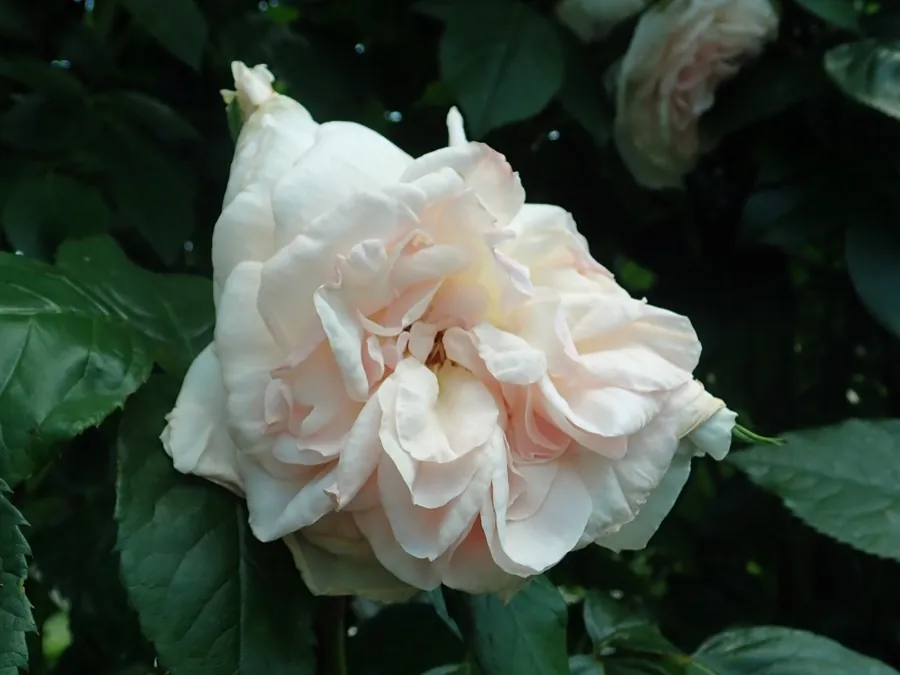
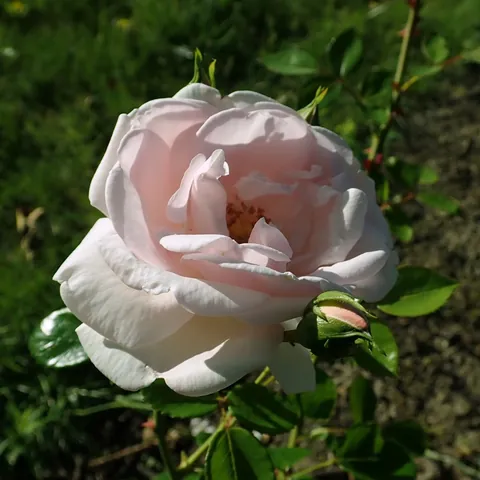
Slender, goblet-shaped, pink
Open flower
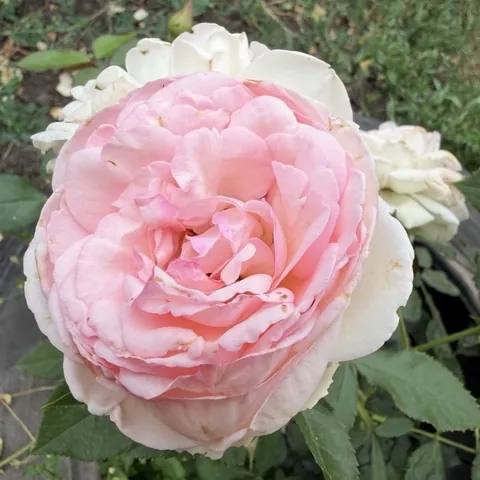
Large, densely filled — rosette-cup shaped; 'sehr groß' ('very large') in catalogues
Centre
Dense, with numerous petals
Fullness
Very double — according to sources 16–35 (Noack) or 26–40 (HelpMeFind)
Flower carriage
Singly or in small clusters

Fragrance

Moderate

The breeder Noack — strong fruity ('blumig bis orientalisch') as the main advantage; HelpMeFind rates it as moderate.

Disease resistance

3 out of 5

Moderate (Noack): occasional temporary damage possible, regenerates on its own.

Sun

Likes sunny, even windy, places

Thorns

Moderate
thornlessfewmoderatemanyvery many

No precise data — approximately a moderate number.

Foliage

Large, medium to dark green, glossy/semi-glossy, healthy and long-lasting.

All characteristics in a table
Group
Large-Flowered Climber; climbing; a transitional climber/shrub type
Breeder
Werner Noack; Rosen Noack, Germany, 2002
Bud shape
Slender, goblet-shaped, pink
Open flower
Large, densely filled — rosette-cup shaped; 'sehr groß' ('very large') in catalogues
Centre
Dense, with numerous petals
Colour
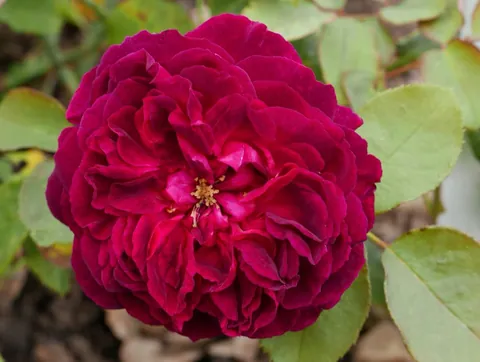
Delicate pastel pink, fading almost to white (more so in bright sun)
Fullness
Very double — according to sources 16–35 (Noack) or 26–40 (HelpMeFind)
Flower carriage
Singly or in small clusters
Flowering
Repeat-flowering, almost continuous from May to October; an early-flowering climber
Fragrance
The breeder Noack — strong fruity ('blumig bis orientalisch') as the main advantage; HelpMeFind rates it as moderate
Hips
No data
Habit
Vigorous, upright, bushy-climbing (starktriebig aufrecht)
Branching
Strong canes keep growing from the base
Shoots
Strong, train well on a support; best trained horizontally or in a fan
Thorns
No precise data — approximately a moderate number.
Dimensions
Up to 3 m high (often tied in at 1.5–1.75 m); width not stated in the sources
Support
Needs: a house wall, trellis, fence or arch; grows well on brick walls
Foliage
Large, medium to dark green, glossy/semi-glossy, healthy and long-lasting
Resistance
Moderate (Noack): occasional temporary damage possible, regenerates on its own
Variations of the variety
German patent DE 936376. Variety code (NOA...) and parentage are not given in open sources

Colour scheme

Delicate pastel pink, fading almost to white (more so in bright sun)

Rose neighbours

Perennials to plant nearby

Neighbouring roses

A family of pastel climbers and romantic roses — a 'romantic wall':

Companion perennials

Blue and purple perennials at the base set off the soft pink:

lavenderwoodland sagecatmint (Nepeta)clematis

Availability

German breeding, widely available in Europe:

🇩🇪 Germany: high · homeland (Noack)🇪🇺 Europe: moderate · romantic climbers🇺🇦 Ukraine: available to order from nurseries

More about the variety

Hips
No data
Variations of the variety
German patent DE 936376. Variety code (NOA...) and parentage are not given in open sources

How to grow

Where to plant. On a sunny, warm house wall, a trellis, an arch or a tall fence; it tolerates windy places. It is worth covering the base of the canes with low perennials to shade the roots.

Climate. USDA zones 6b–9b, hardy — according to Noack winter protection is almost unnecessary; in most of Ukraine it overwinters with light cover at the base.

Care. A sunny spot, fertile loam; a sturdy support is essential, and tying in horizontally or in a fan for abundant flowering from the bottom up; sanitary pruning in spring; moderate disease prevention (resistance is moderate).

About the name

Name. 'Graciosa' — a female given name of Latin origin (Lat. gratiosus); in Portuguese and Spanish it means 'graceful, elegant, charming'. The name highlights the elegant shape of the pastel flower.

Breeding. Bred by Werner Noack at the house of Rosen Noack (Gütersloh, Germany), introduced 2002, patent DE 936376. The house of Noack is a well-known German firm famous for healthy landscape and groundcover roses, including the worldwide Flower Carpet series, and many ADR-listed varieties.

Significance. A romantic pastel climber 'in the spirit of Pierre de Ronsard', but with a strong fruity fragrance — something many nostalgic climbers lack. The healthy glossy foliage typical of the Noack house makes it undemanding on a warm sunny wall.

Frequently asked questions about Graciosa

How many times a season does Graciosa flower?

Repeat-flowering, almost continuous from May to October; an early-flowering climber.

How big does Graciosa grow?

About 300 cm tall.

Which diseases affect Graciosa?

Overall resistance: 3 out of 5. Moderate; the foliage regenerates on its own (Noack).

How much sun does Graciosa need?

Sun; likes sunny, even windy, places.

What does Graciosa smell like?

The breeder Noack — strong fruity ('blumig bis orientalisch') as the main advantage; HelpMeFind rates it as moderate.

Gardeners' photos and reviews

My climate

Choose a reference temperature to compare with the cultivar’s data. This is not an overwintering forecast or advice on winter protection; consider wind, moisture and the duration of frost.

Regional data are generalised. USDA describes average annual extreme minima, not a forecast; the values in the list are rounded. Check the conditions at your site. More information: Roses in Ukraine's climate.