Back to catalogue
Floribunda / patio (Tantau)Tantau, 2006Lilac and purple

Heidi Klum

TAN00681; a compact lilac-mauve patio floribunda with a strong scent.

Compact lilac-mauve · strong fragrance · named variety

Variety profile

Flowering

Repeat flowering, in waves through the whole season

Feature

Lilac + fragrance

Rare lilac colour + strong fragrance; named after a model

Winter hardiness

−20 °C

USDA zone 6b–9b. Down to ≈ −20 °C; overwinters with cover. To ≈ −20 °C · overwinters under winter protection.

Compare reference temperatures

Plant size

40–50 × 30 cm
person 170 cm40–50 cm
Habit
Compact, low, bushy
Dimensions
40–50 cm tall × ~30 cm wide
Support
Not needed
Shoots
Short, strong
Branching
Dense

Flower

≈ 7 cm

41+ petals.

Bud shape
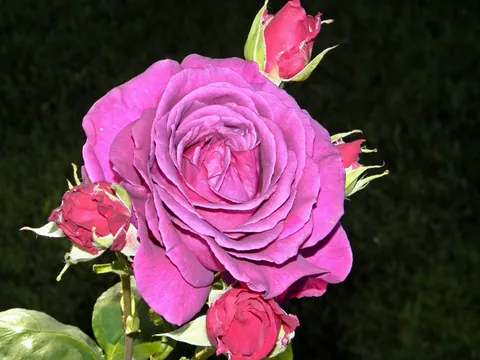
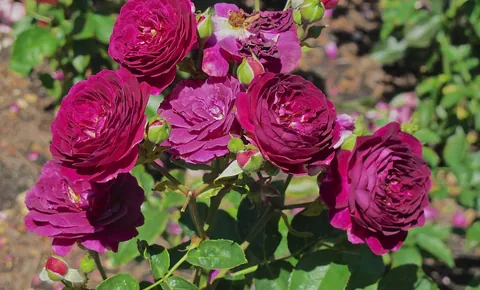
Round, lilac
Open flower
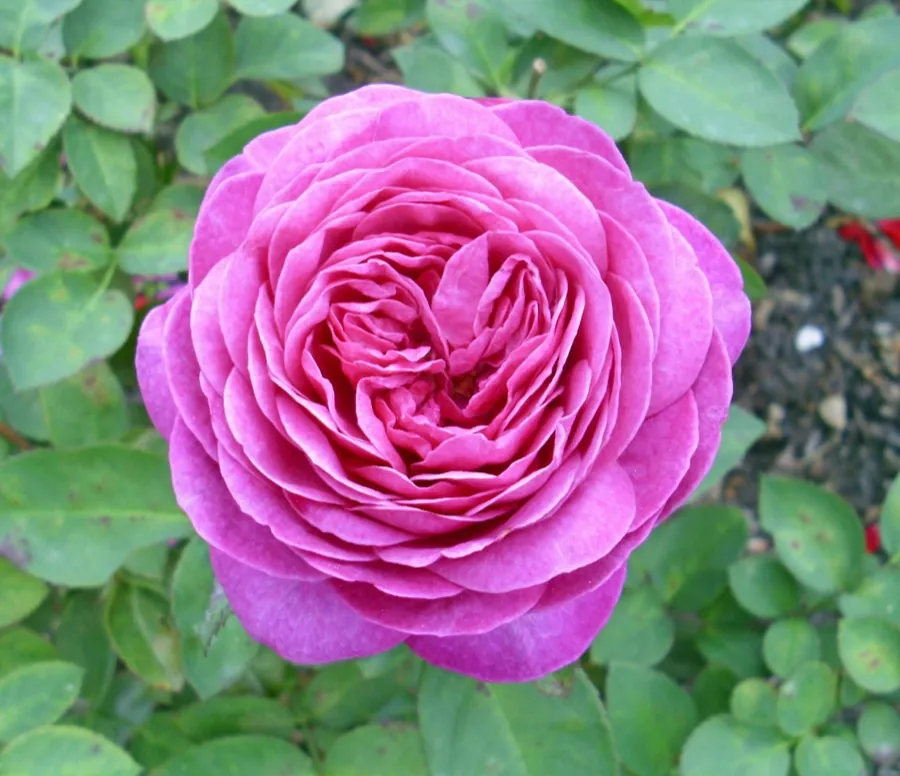
Cupped, very tightly packed; ~7 cm
Centre
Dense, many-petalled
Fullness
Very double, 41+ petals
Flower carriage
Singly and in small inflorescences
Flower durability
Good; a rich lilac tone

Fragrance

Strong

Strong, pleasant.

Disease resistance

3 out of 5

Generally good.

Sun

Abundant repeat flowering

The lilac tone is deeper in cool weather.

Foliage

Dark green, healthy.

All characteristics in a table
Group
Floribunda / patio (Tantau)
Breeder
Tantau, Germany, 2006
Bud shape
Round, lilac
Open flower
Cupped, very tightly packed; ~7 cm
Centre
Dense, many-petalled
Colour
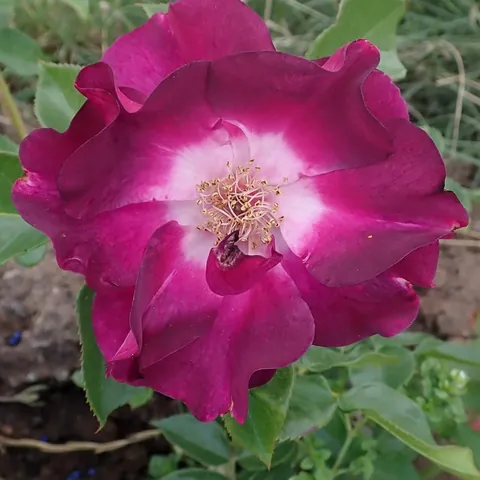
Violet-lilac, lavender-mauve with a pink bloom
Fullness
Very double, 41+ petals
Flower carriage
Singly and in small inflorescences
Flowering
Repeat flowering, in waves through the whole season
Fragrance
Strong, pleasant
Flower durability
Good; a rich lilac tone
Habit
Compact, low, bushy
Branching
Dense
Shoots
Short, strong
Thorns
Moderate number of prickles.
Dimensions
40–50 cm tall × ~30 cm wide
Support
Not needed
Foliage
Dark green, healthy
Resistance
Generally good
Use
Front of the bed, borders, containers, terraces
Colour scheme

Purple-violet, lavender-mauve with a pink bloom

Rose neighbours

Perennials to plant nearby

Neighbouring roses

Purple-plum roses in this section make up a deep 'berry' group around the lilac Heidi Klum.

Companion perennials

Silver and blue perennials lighten the lilac flower:

catmintstachyssalvialavender

Contrasting accents

For contrast next to the lilac: silver and sky-blue:

stachyscatmintlavender

More about the variety

Use
Front of the bed, borders, containers, terraces
How to grow

Where to plant. The front of a flower bed, borders, containers and terraces.

Climate. USDA 6b–9b (down to ≈ −20 °C); in our region it overwinters with cover, especially in a container.

Care. Compact and fragrant; ideal for pots. Regular watering in containers.

About the name

Name. Named after the German supermodel Heidi Klum (2005).

Breeding. Hans Jürgen Evers, Rosen Tantau (Germany); 2006; code TAN00681. 'Old Port' × 'Barkarole'.

Significance. A compact lilac-mauve patio floribunda with an unexpectedly strong scent; a named 'celebrity' variety from Tantau.

Frequently asked questions about Heidi Klum

Does Heidi Klum need winter protection?

The cultivar’s reference temperature is −20 °C (USDA zone 6b–9b). Overwintering depends on the conditions. Down to ≈ −20 °C; overwinters with cover.

How many times a season does Heidi Klum flower?

Repeat flowering, in waves through the whole season.

How big does Heidi Klum grow?

40–50 cm tall, about 30 cm wide.

Which diseases affect Heidi Klum?

Overall resistance: 3 out of 5. Generally a healthy garden floribunda.

How much sun does Heidi Klum need?

Sun; abundant repeat flowering; the lilac tone is deeper in cool weather.

What does Heidi Klum smell like?

Strong, pleasant.

Gardeners' photos and reviews

My climate

Choose a reference temperature to compare with the cultivar’s data. This is not an overwintering forecast or advice on winter protection; consider wind, moisture and the duration of frost.

Regional data are generalised. USDA describes average annual extreme minima, not a forecast; the values in the list are rounded. Check the conditions at your site. More information: Roses in Ukraine's climate.