

Back to catalogue
Large-Flowered ClimberMathias Tantau Jr.; Rosen Tantau, 1980Pink

Lawinia

RHS Award of Garden Merit; strong fruity scent; up to 4 m tall; one of the best-known pink repeat-flowering climbers of the 1980s; still produced commercially.

Lawinia = Lavinia (the same variety under two spellings)

Variety profile

Flowering

Repeat flowering

Repeat-flowering — one of the first repeat-flowering climbers of its type. Months are approximate, for the climate of Ukraine.

Awards

RHS AGM

Award of Garden Merit (reconfirmed 2012)

Winter hardiness

−20 °C

USDA zone 6b–9b. RHS H6; in Ukraine with moderate protection in the north. RHS H6 · in Ukraine, with moderate cover in the north.

Compare reference temperatures

Plant size

245–300 × 150–250 cm
person 170 cm245–300 cm
Habit
Large-Flowered Climber — a large climber with abundant flowering
Dimensions
245–300 cm tall (up to 4 m per RHS) × 150–250 cm wide
Support
Needs support — arches, pergolas, south-facing walls
Shoots
Sturdy, long, flexible — well suited to arches and pergolas
Branching
Good, from the base

Flower

8–10 cm
Bud shape
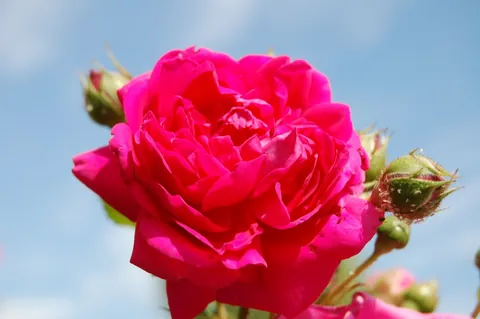
Oval to elongated, rich pink
Open flower
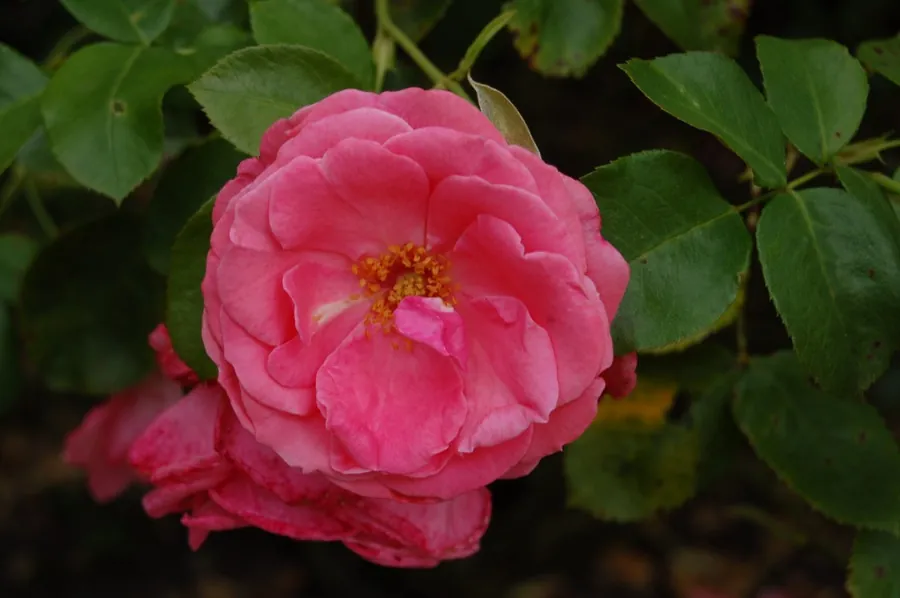
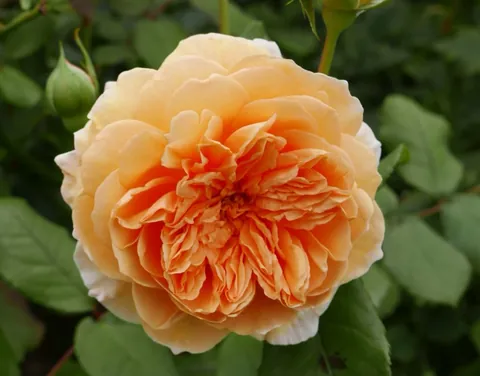
Semi-open cup with visible stamens; petals thin and silky
Centre
Visible, with a tuft of yellow stamens against an apricot-salmon background
Fullness
Semi-double, 20–25 petals
Flower carriage
In small clusters of 3–5 flowers

Fragrance

Strong; fruity

Strong fruity — a rose with berry notes.

Disease resistance

4 out of 5

4/5 — documented as healthy, no ADR.

Sun

Full sun

Thorns

Moderate
thornlessfewmoderatemanyvery many

Medium number, typical of Tantau climbers.

Foliage

Dark green, leathery.

All characteristics in a table
Group
Large-Flowered Climber
Breeder
Mathias Tantau Jr.; Rosen Tantau, Germany, 1980
Bud shape
Oval to elongated, rich pink
Open flower
Semi-open cup with visible stamens; petals thin and silky
Centre
Visible, with a tuft of yellow stamens against an apricot-salmon background
Colour
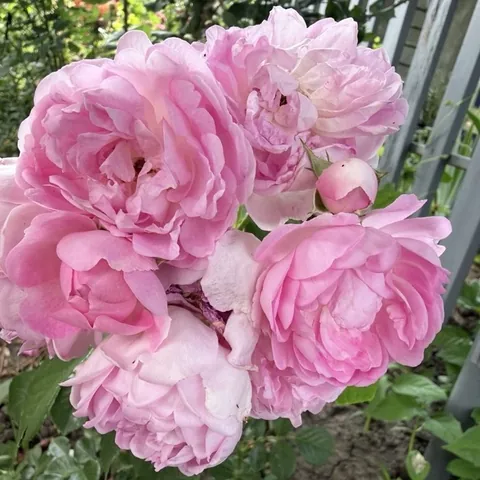
Medium pink with a light apricot-salmon tint at the centre; pink petals with a warm heart
Fullness
Semi-double, 20–25 petals
Flower carriage
In small clusters of 3–5 flowers
Flowering
Repeat-flowering — one of the first repeat-flowering climbers of its type
Fragrance
Strong fruity — a rose with berry notes
Hips
Not documented
Habit
Large-Flowered Climber — a large climber with abundant flowering
Branching
Good, from the base
Shoots
Sturdy, long, flexible — well suited to arches and pergolas
Thorns
Medium number, typical of Tantau climbers.
Dimensions
245–300 cm tall (up to 4 m per RHS) × 150–250 cm wide
Support
Needs support — arches, pergolas, south-facing walls
Foliage
Dark green, leathery
Resistance
4/5 — documented as healthy, no ADR
Variations of the variety
Code TANklewi (sometimes written TANklawi); parentage not published (typical Tantau practice); 'Lawinia' and 'Lavinia' are the same variety, two spellings of one TANklewi

Colour scheme

Medium pink with a light apricot-salmon tint at the centre; pink petals with a warm heart

Rose neighbours

Perennials to plant nearby

Rose neighbours

Classic climber family for arches and south walls:

Companion perennials

Violet accents and structural greenery set off the pink:

clematis 'Étoile Violette'lavenderornamental grasseslady's mantle (Alchemilla mollis)

Availability worldwide

The classic Tantau climber is still produced commercially:

🇩🇪 Germany: high · official Tantau🇬🇧 UK: high · RHS AGM🇪🇺 Europe: high · 40+ years in cultivation🇺🇦 Ukraine: moderate · via European nurseries

More about the variety

Hips
Not documented
Variations of the variety
Code TANklewi (sometimes written TANklawi); parentage not published (typical Tantau practice); 'Lawinia' and 'Lavinia' are the same variety, two spellings of one TANklewi

How to grow

Where to plant. Arches, pergolas, south-facing walls, wooden fences; ideal as a specimen or in a duo with a contrasting climber (Florentina red + Lawinia pink — a 'wedding arch').

Climate. Down to −20 °C — in Ukraine: south and centre without protection; north with moderate protection for young plants.

Care. A classic climber — prune in summer (after the first flush); tie in horizontally for more flowers; seasonal disease prevention.

About the name

Name. 'Lawinia' — a female name; a marketing decision by Tantau, with no public story about a specific person. Tantau traditionally gives melodious female names (Landora, Heidetraum, Anna Pavlova). 'Lavinia' and 'Lawinia' are the same variety under two spellings of one code, TANklewi. Do not confuse with the historic 'Lavinia' roses from other breeders.

Breeding. Bred by Mathias Tantau Jr. at Rosen Tantau (Uetersen, Germany), 1980 (breeding and market release in the same year). Code TANklewi (sometimes TANklawi). Parentage not published (typical Tantau practice).

Significance. RHS Award of Garden Merit (reconfirmed in 2012 in the latest review of the AGM list). One of the best-known pink repeat-flowering climbers of the 1980s, still produced commercially — a rarity for a variety of that period. A transitional form between old once-flowering climbers and modern repeat-bloomers — it changed the approach to climbers in the late twentieth century.

Frequently asked questions about Lawinia

Does Lawinia need winter protection?

The cultivar’s reference temperature is −20 °C (USDA zone 6b–9b). Overwintering depends on the conditions. RHS H6; in Ukraine with moderate protection in the north.

How many times a season does Lawinia flower?

Repeat-flowering — one of the first repeat-flowering climbers of its type.

How big does Lawinia grow?

245–300 cm tall, 150–250 cm wide.

Which diseases affect Lawinia?

Overall resistance: 4 out of 5. Good; documented as healthy (not ADR).

How much sun does Lawinia need?

Sun; full sun.

What does Lawinia smell like?

Strong fruity — a rose with berry notes.

Gardeners' photos and reviews

My climate

Choose a reference temperature to compare with the cultivar’s data. This is not an overwintering forecast or advice on winter protection; consider wind, moisture and the duration of frost.

Regional data are generalised. USDA describes average annual extreme minima, not a forecast; the values in the list are rounded. Check the conditions at your site. More information: Roses in Ukraine's climate.