


Back to catalogue
Hybrid Tea; classic from the 1960sMaurice Combe, 1966Red

Norita

One of the darkest HTs of its time — near-black deep red; a strong classic 'red' fragrance; 🇮🇹 in Italy as Magia Nera, 🇩🇪 in Germany as Schwarze Rose — for its legendarily dark colour; NOT Meilland, NOT 1971 — the real breeder is Maurice Combe, 1966 (a common myth).

'Black Rose'

Variety profile

Flowering

Repeat flowering

Repeat-flowering from June to October. Months are approximate, for the climate of Ukraine.

Legacy

Combe 1966

'retro' classic · parentage Charles Mallerin

Winter hardiness

−23 °C

USDA zone 6b. All of Ukraine with light winter protection.

Compare reference temperatures

Plant size

80–100 × 70–90 cm
person 170 cm80–100 cm
Habit
Upright and spreading, vigorous
Dimensions
80–100 cm × 70–90 cm — typical of a classic HT
Support
Not needed — self-supporting
Shoots
Sturdy, straight — good for cutting on long stems
Branching
Well branched, with sturdy stems

Flower

≈ 15 cm

17–25 petals.

Bud shape
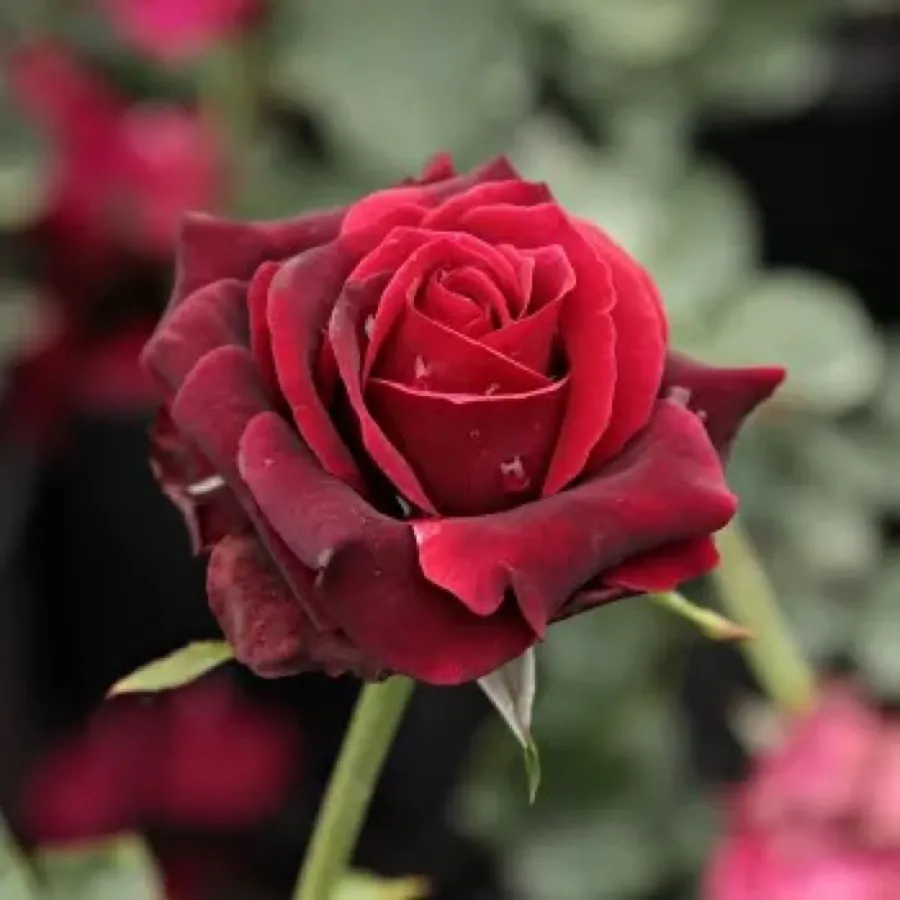
Elongated and pointed, rich near-black
Open flower
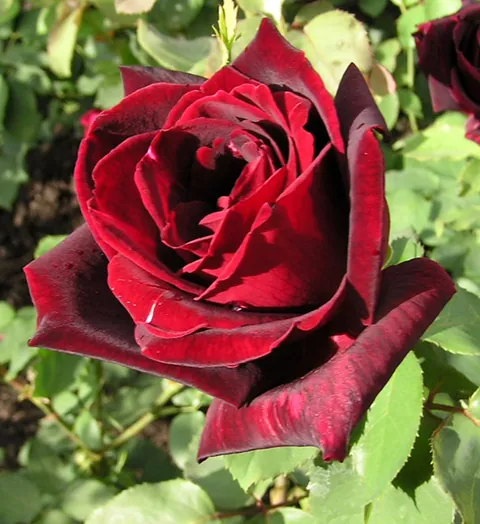
Classic HT form with a pointed centre that opens slowly; when fully open, velvety, with a noticeable gloss on the petals
Centre
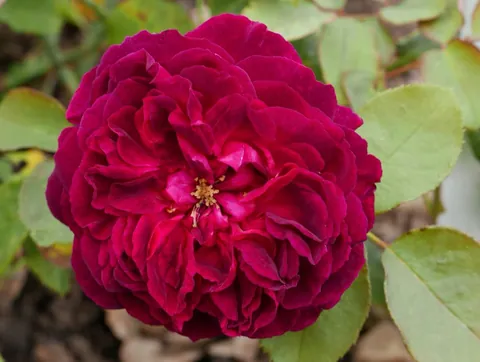
Tightly closed; when it opens, it reveals yellow stamens — a dramatic contrast to the near-black colour
Fullness
17–25 petals (classic HT-double)
Flower carriage
Mostly borne singly, on long stems — typical HT, ideal for cutting

Fragrance

Strong; classic 'red' perfume

Strong classic 'red' perfume — the main trait of the variety, typical of 1960s HTs (Mister Lincoln, Papa Meilland family).

Disease resistance

3 out of 5

Moderate — 3/5; typical of 1960s HTs; needs preventive care against black spot and powdery mildew.

Sun

Morning sun is important

Evening shade keeps the colour.

Thorns

Many
thornlessfewmoderatemanyvery many

Many thorns — typical of 1960s HTs and of the Charles Mallerin parentage.

Foliage

Dark green, semi-glossy — good contrast to the near-black flowers.

Other names

Magia Nera, Schwarze Rose
All characteristics in a table
Group
Hybrid Tea; classic from the 1960s
Breeder
Maurice Combe, France, 1966
Bud shape
Elongated and pointed, rich near-black
Open flower
Classic HT form with a pointed centre that opens slowly; when fully open, velvety, with a noticeable gloss on the petals
Centre
Tightly closed; when it opens, it reveals yellow stamens — a dramatic contrast to the near-black colour
Colour
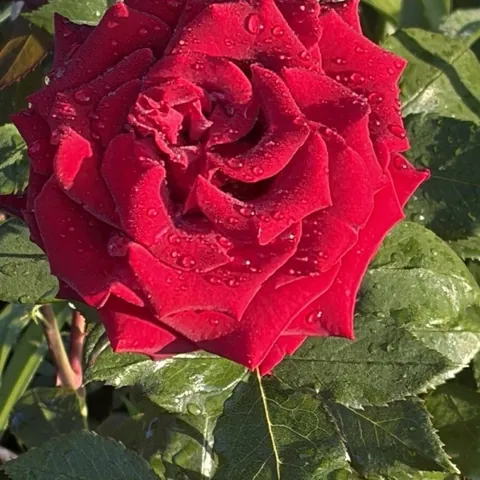
One of the darkest HTs of its time: deep red, near-black, with a noticeable velvety gloss; the reverse of the petal is slightly lighter. In strong southern sun it can 'fade' to dark wine-red — morning exposure is better
Fullness
17–25 petals (classic HT-double)
Flower carriage
Mostly borne singly, on long stems — typical HT, ideal for cutting
Flowering
Repeat-flowering from June to October
Fragrance
Strong classic 'red' perfume — the main trait of the variety, typical of 1960s HTs (Mister Lincoln, Papa Meilland family)
Hips
Not documented — cut for repeat flowering
Habit
Upright and spreading, vigorous
Branching
Well branched, with sturdy stems
Shoots
Sturdy, straight — good for cutting on long stems
Thorns
Many thorns — typical of 1960s HTs and of the Charles Mallerin parentage.
Dimensions
80–100 cm × 70–90 cm — typical of a classic HT
Support
Not needed — self-supporting
Foliage
Dark green, semi-glossy — good contrast to the near-black flowers
Resistance
Moderate — 3/5; typical of 1960s HTs; needs preventive care against black spot and powdery mildew
Variations of the variety
Code COMsor (sometimes Selbar 0115); introduced 1966 in France and the USA (at the same time). Parentage: Charles Mallerin × unnamed seedling. NOT Meilland — the breeder is Maurice Combe (a common myth in catalogues). Synonyms: Magia Nera® (Italy), Schwarze Rose (Germany)

Colour scheme

One of the darkest HTs of its time: deep red, near-black, with a noticeable velvety gloss; the reverse of the petal is slightly lighter. In strong southern sun it can 'fade' to dark wine-red — morning exposure is better

Rose neighbours

Perennials to plant nearby

Neighbouring roses

Deep-red and near-black family — a dramatic accent:

Perennial companions

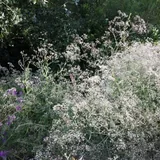
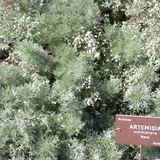
Silvery pastel perennials bring out the drama of near-black most effectively:

lamb's ear (Stachys)gypsophilalavenderartemisia

Availability worldwide

1960s classic, available from specialist nurseries:

🇫🇷 France: high · classic🇮🇹 Italy: high · as Magia Nera🇩🇪 Germany: high · as Schwarze Rose🇺🇦 Ukraine: moderate · 'retro' segment

More about the variety

Hips
Not documented — cut for repeat flowering
Variations of the variety
Code COMsor (sometimes Selbar 0115); introduced 1966 in France and the USA (at the same time). Parentage: Charles Mallerin × unnamed seedling. NOT Meilland — the breeder is Maurice Combe (a common myth in catalogues). Synonyms: Magia Nera® (Italy), Schwarze Rose (Germany)

How to grow

Where to plant. As a dramatic solo accent in borders, in front of grey foliage; in romantic arrangements with white and silver perennials; as a cut-flower shrub for classic bouquets. Avoid fully sunny southern spots — the colour 'fades'.

Climate. All of Ukraine with light winter protection (USDA 6b); it tolerates moderate heat well, but needs morning sun and evening shade to keep the near-black colour.

Care. Morning sun plus evening shade; a well-ventilated spot; prevention against black spot and powdery mildew; feed 3 times a season (especially potassium for the rich dark colour); prune ⅓ in spring; cut for home bouquets — long, fragrant stems.

About the name

Name. 'Norita' is a female first name, a diminutive of Spanish Honora / Eleonora. Maurice Combe named the variety after a specific woman, which is not publicly documented. In different countries the variety got 'telling' trade names: 🇮🇹 'Magia Nera' ('Black Magic') in Italy, 🇩🇪 'Schwarze Rose' ('Black Rose') in Germany — both stress its legendarily dark colour.

Breeding. Bred by Maurice Combe in France, a less well-known French breeder of the 1950–60s. Code COMsor. Released in 1966 (France and USA at the same time). Parentage: Charles Mallerin (HT, Meilland 1947) × unnamed seedling. A common myth attributes it to Marie-Louise Meilland 1971; this is wrong. The real breeder is Maurice Combe, 1966.

Significance. One of the darkest HTs of the 1960s, a forerunner of later near-black varieties (Black Magic 1995, Black Baccara 2000). Charles Mallerin is also from a family of dark HTs, the basis of the French school of deep reds. A strong classic 'red' fragrance is rare among modern deep reds (most have none). No major awards: HelpMeFind does not record AARS / ADR / Belfast / Gold Medal. The variety is known for its colour and scent, not for awards.

Frequently asked questions about Norita

Does Norita need winter protection?

The cultivar’s reference temperature is −23 °C (USDA zone 6b). Overwintering depends on the conditions. All of Ukraine with light winter protection.

How many times a season does Norita flower?

Repeat-flowering from June to October.

How big does Norita grow?

80–100 cm tall, 70–90 cm wide.

Which diseases affect Norita?

Overall resistance: 3 out of 5. Moderate; typical of 1960s HTs; needs preventive care.

How much sun does Norita need?

Sun; morning sun is important; evening shade keeps the colour.

What does Norita smell like?

Strong classic 'red' perfume — the main trait of the variety, typical of 1960s HTs (Mister Lincoln, Papa Meilland family).

Gardeners' photos and reviews

My climate

Choose a reference temperature to compare with the cultivar’s data. This is not an overwintering forecast or advice on winter protection; consider wind, moisture and the duration of frost.

Regional data are generalised. USDA describes average annual extreme minima, not a forecast; the values in the list are rounded. Check the conditions at your site. More information: Roses in Ukraine's climate.