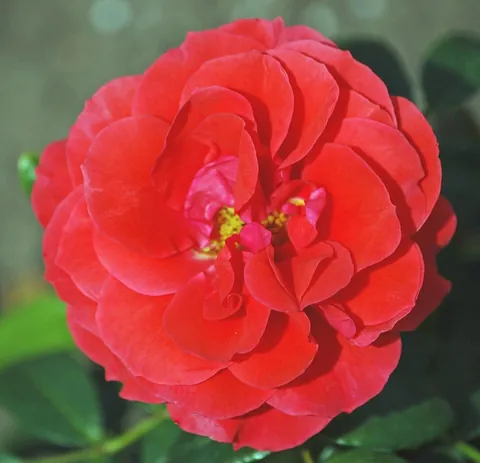
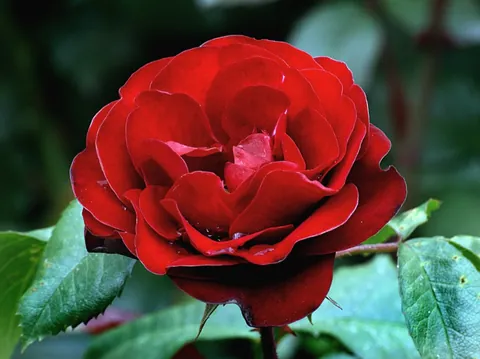
Nina Weibull, close-up of the flower
Photo: Sjokolade, CC BY-SA 3.0
Back to catalogue
FloribundaPoulsen, 1961Red

Nina Weibull

Dark red, does NOT fade in sun; very abundant, continuous flowering all summer; known for toughness and easy care — reliable for beginners; parents Fanal × Masquerade.

Poulwei · dark red, hardy Poulsen classic

Variety profile

Flowering

Repeat flowering

Very abundant and continuous all summer until the frosts — the variety's key strength. Months are approximate, for the climate of Ukraine.

Winter hardiness

−20 °C

USDA zone 6b–9b. RHS H6; very hardy; light winter protection or earthing up. RHS H6 · very winter-hardy · light winter protection / mounding.

Compare reference temperatures

Plant size

70–100 × 50–75 cm
person 170 cm70–100 cm
Habit
Compact, upright, dense bush
Dimensions
70–100 × 50–75 cm — compact
Support
Needs no support
Shoots
Sturdy, straight, holding the flower clusters well
Branching
Dense, well furnished with leaves

Flower

5–6 cm
Bud shape
Dark red, compact
Open flower
Cupped form; diameter 5–6 cm (HelpMeFind wrongly gives 16 cm — the correct figure is 5–6 cm)
Centre
Closely packed, in the same dark red tone
Fullness
Moderate, 17–25 petals
Flower carriage
In large clusters of about 5 flowers — typical Floribunda-form

Fragrance

Almost absent

Almost absent, barely detectable — the variety is valued not for its scent but for its toughness and abundant flowering.

Disease resistance

5 out of 5
Black spotresistantPowdery mildewresistant

Known for toughness and easy care; good immunity to powdery mildew and black spot — reliable for beginners.

Sun

Full sun

The colour is stable and does NOT fade.

Thorns

Few
thornlessfewmoderatemanyvery many

Information on prickles is limited; for hardy Poulsen-Floribundas a moderate, rather small number is typical.

Foliage

Dense, covers the bush well.

All characteristics in a table
Group
Floribunda
Breeder
Poulsen, Denmark, 1961
Bud shape
Dark red, compact
Open flower
Cupped form; diameter 5–6 cm (HelpMeFind wrongly gives 16 cm — the correct figure is 5–6 cm)
Centre
Closely packed, in the same dark red tone
Colour
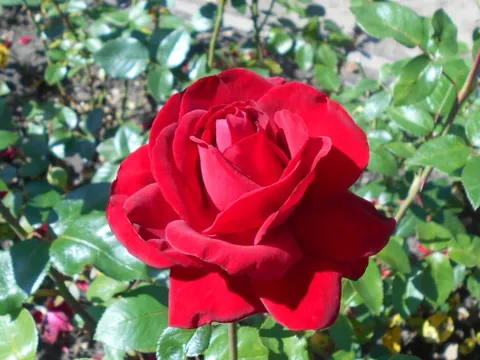
Dark red, stable — does NOT fade in sun; keeping its colour is one of the variety's main strengths
Fullness
Moderate, 17–25 petals
Flower carriage
In large clusters of about 5 flowers — typical Floribunda-form
Flowering
Very abundant and continuous all summer until the frosts — the variety's key strength
Fragrance
Almost absent, barely detectable — the variety is valued not for its scent but for its toughness and abundant flowering
Hips
Not documented
Habit
Compact, upright, dense bush
Branching
Dense, well furnished with leaves
Shoots
Sturdy, straight, holding the flower clusters well
Thorns
Information on prickles is limited; for hardy Poulsen-Floribundas a moderate, rather small number is typical.
Dimensions
70–100 × 50–75 cm — compact
Support
Needs no support
Foliage
Dense, covers the bush well
Resistance
Known for toughness and easy care; good immunity to powdery mildew and black spot — reliable for beginners
Variations of the variety
Code Poulwei; parentage Fanal × Masquerade; bred by Poulsen (Denmark), 1961
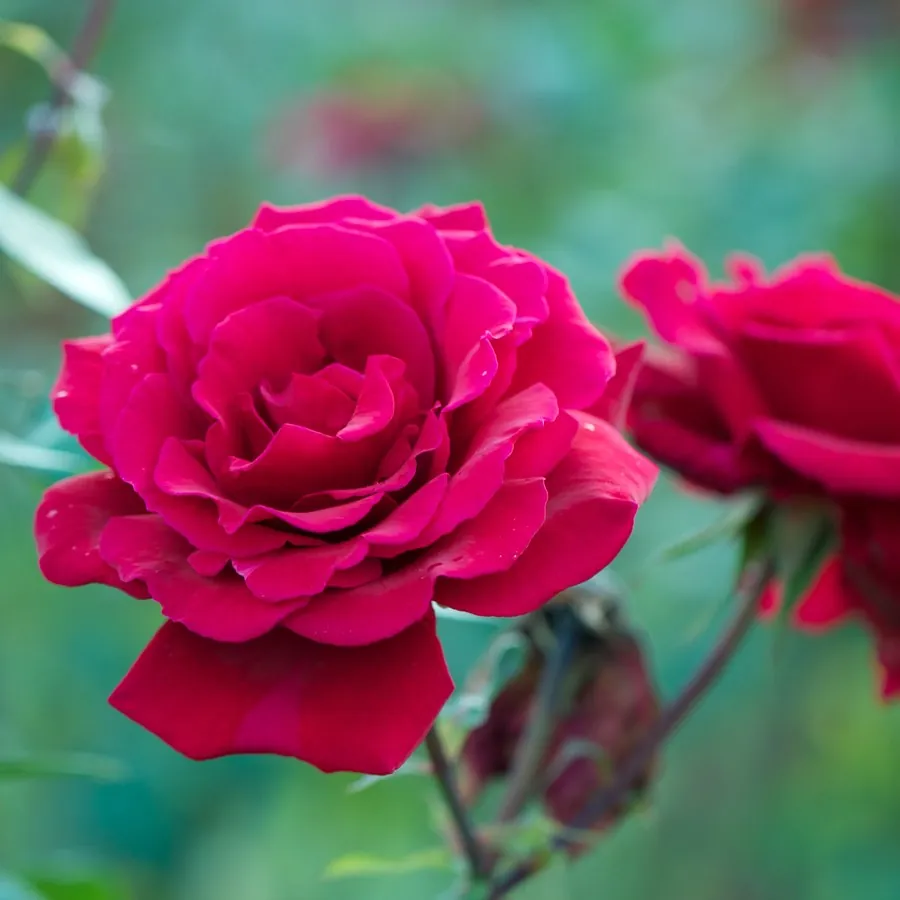
Colour scheme

Dark red, stable — does NOT fade in sun; keeping its colour is one of the variety's main strengths

Rose neighbours

Perennials to plant nearby

Neighbouring roses

Dark red family of hardy varieties:

Perennial companions

Silvery-purple family for contrast:

Byzantine lamb's ear (Stachys)lavendercatmint (Nepeta)gypsophila

Availability worldwide

Classic hardy Poulsen Floribunda:

🇩🇰 Denmark: high · the house of Poulsen🇪🇺 Europe: high · classic🇺🇦 Ukraine: moderate · via European nurseries

More about the variety

Hips
Not documented
Variations of the variety
Code Poulwei; parentage Fanal × Masquerade; bred by Poulsen (Denmark), 1961
How to grow

Where to plant. Red borders, hedges, landscape masses, formal groups; its stable colour and continuous flowering keep it decorative all summer. It looks good against white or silver neighbours for contrast.

Climate. USDA 6b–9b, RHS H6 (to −20 °C) — very hardy; in cold areas without snow, light winter protection or earthing up.

Care. Undemanding, reliable for beginners — good immunity to powdery mildew and black spot; classic Floribunda-style pruning in spring.

About the name

Name. 'Nina Weibull' — named after Nina Weibull, probably from the family of the Swedish gardening house Weibull. No details of the name's history have survived.

Breeding. Bred at the Danish house Poulsen in 1961. Code Poulwei. Parentage: Fanal × Masquerade.

Significance. A tough dark red Floribunda, valued for its stable colour that does not fade in sun, very abundant continuous flowering all summer, and its easy care and good disease immunity — a reliable choice for beginners. No documented awards have been found.

Frequently asked questions about Nina Weibull

Does Nina Weibull need winter protection?

The cultivar’s reference temperature is −20 °C (USDA zone 6b–9b). Overwintering depends on the conditions. RHS H6; very hardy; light winter protection or earthing up.

How many times a season does Nina Weibull flower?

Very abundant and continuous all summer until the frosts — the variety's key strength.

How big does Nina Weibull grow?

70–100 cm tall, 50–75 cm wide.

Which diseases affect Nina Weibull?

Overall resistance: 5 out of 5. 4–5/5; good immunity to powdery mildew and black spot; reliable for beginners.

How much sun does Nina Weibull need?

Sun; full sun; the colour is stable and does NOT fade.

What does Nina Weibull smell like?

Almost absent, barely detectable — the variety is valued not for its scent but for its toughness and abundant flowering.

Gardeners' photos and reviews

My climate

Choose a reference temperature to compare with the cultivar’s data. This is not an overwintering forecast or advice on winter protection; consider wind, moisture and the duration of frost.

Regional data are generalised. USDA describes average annual extreme minima, not a forecast; the values in the list are rounded. Check the conditions at your site. More information: Roses in Ukraine's climate.