


Back to catalogue
Hybrid Tea; classic of ItalyVittorio Barni; Rose Barni; Pistoia, 1981Red

Notturno

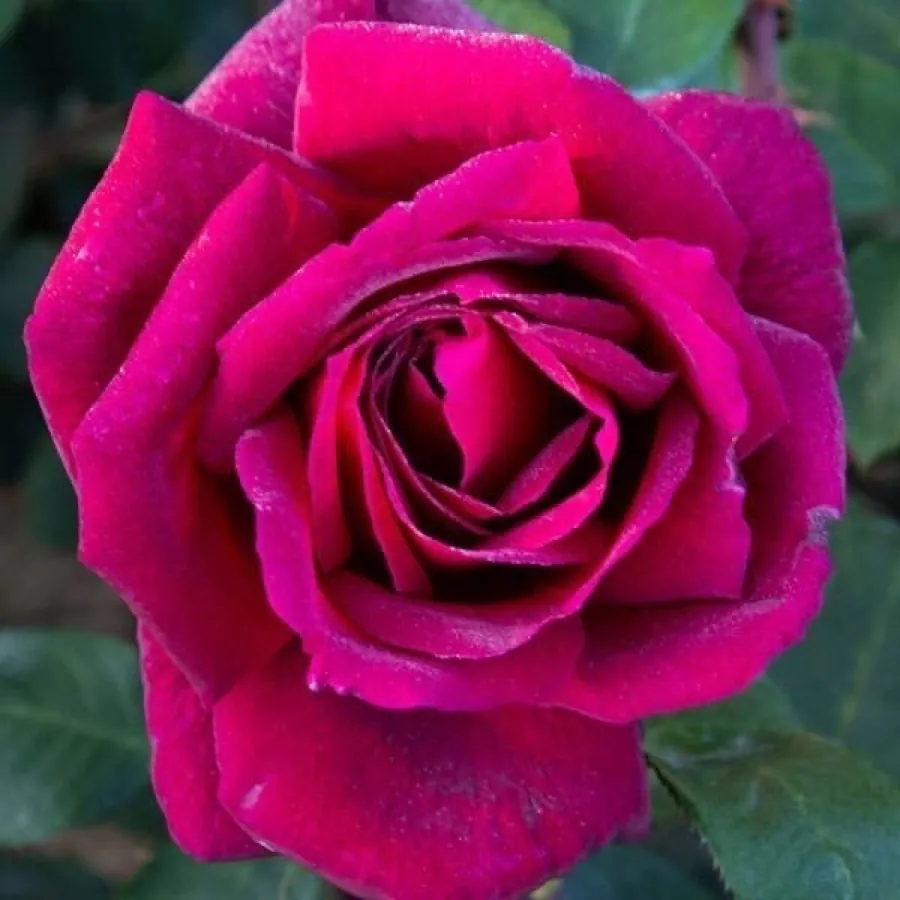
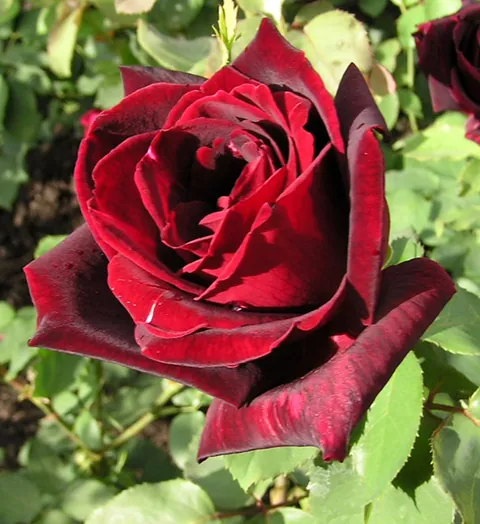
Deep pomegranate-red near-black HT with a velvet texture; named after Chopin's nocturnes, a poetic nod to the night palette; 🇮🇹 an Italian classic from Rose Barni (Pistoia); parentage Papa Meilland — the family of deep-red scented HTs.

Selbar 0130 · deep-red Italian classic · parentage Papa Meilland

Variety profile

Flowering

Repeat flowering

Generously repeat-flowering from May to the frosts — the signature of Barni-varieties. Months are approximate, for the climate of Ukraine.

Legacy

Barni 1981

Italian classic · parentage Papa Meilland 1963

Winter hardiness

−23 °C

USDA zone 6b–9b. All of Ukraine with light winter protection.

Compare reference temperatures

Plant size

90 × 70 cm
person 170 cm90 cm
Habit
Upright, orderly Hybrid Tea — a 'healthy upright shrub' according to Barni's description
Dimensions
~90 cm tall × ~70 cm wide — typical HT for borders and beds
Support
Not needed — self-supporting
Shoots
Sturdy, straight — good for cutting on long stems
Branching
Well branched, with sturdy stems

Flower

≈ 10 cm

35 petals.

Bud shape
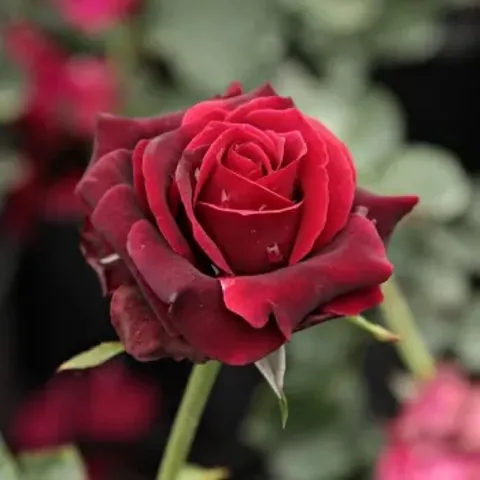
Velvety near-black, the basis of the poetic name ('nocturne')
Open flower
Very fragrant 35-petalled rosette — a classic HT form with a slow opening
Centre
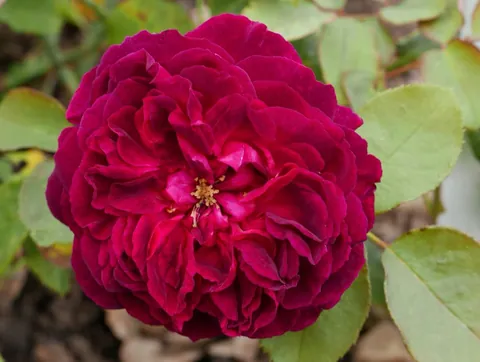
Tightly closed; fully open, it reveals yellow stamens — a dramatic contrast to the near-black colour
Fullness
About 35 petals (full) — velvety, thick texture
Flower carriage
Mostly borne singly, on long stems — typical HT, ideal for cutting

Fragrance

Strong; classic 'red' perfume

Strong classic 'red' perfume — inherited from Papa Meilland; the variety's signature.

Disease resistance

4 out of 5

High — 4/5; a 'healthy upright shrub' according to Barni; healthy, without the powdery mildew problems typical of 1980s HTs.

Sun

Keeps its colour in the sun (unusual for deep reds)

Thorns

Moderate
thornlessfewmoderatemanyvery many

Moderate number of thorns — typical of HTs from the Papa Meilland family.

Foliage

Glossy dark green — a dramatic backdrop for the near-black flowers.

All characteristics in a table
Group
Hybrid Tea; classic of Italy
Breeder
Vittorio Barni; Rose Barni; Pistoia, Italy, 1981
Bud shape
Velvety near-black, the basis of the poetic name ('nocturne')
Open flower
Very fragrant 35-petalled rosette — a classic HT form with a slow opening
Centre
Tightly closed; fully open, it reveals yellow stamens — a dramatic contrast to the near-black colour
Colour
Sumptuous deep pomegranate-red with a velvety bluish sheen on the older petals; near-black at the base, wine-pomegranate at the edges. It keeps its colour in summer sun — unusual for deep-red HTs, which usually 'fade'
Fullness
About 35 petals (full) — velvety, thick texture
Flower carriage
Mostly borne singly, on long stems — typical HT, ideal for cutting
Flowering
Generously repeat-flowering from May to the frosts — the signature of Barni-varieties
Fragrance
Strong classic 'red' perfume — inherited from Papa Meilland; the variety's signature
Hips
Not documented — cut for repeat flowering
Habit
Upright, orderly Hybrid Tea — a 'healthy upright shrub' according to Barni's description
Branching
Well branched, with sturdy stems
Shoots
Sturdy, straight — good for cutting on long stems
Thorns
Moderate number of thorns — typical of HTs from the Papa Meilland family.
Dimensions
~90 cm tall × ~70 cm wide — typical HT for borders and beds
Support
Not needed — self-supporting
Foliage
Glossy dark green — a dramatic backdrop for the near-black flowers
Resistance
High — 4/5; a 'healthy upright shrub' according to Barni; healthy, without the powdery mildew problems typical of 1980s HTs
Variations of the variety
Code Selbar 0130; introduced 1981 in Italy through Rose Barni (Pistoia). Parentage: Papa Meilland (HT, Meilland 1963) × Barni seedling. Avoid overhead watering (it can spot the dark petals)

Colour scheme

Sumptuous deep pomegranate-red with a velvety bluish sheen on the older petals; near-black at the base, wine-pomegranate at the edges. It keeps its colour in summer sun — unusual for deep-red HTs, which usually 'fade'

Rose neighbours

Perennials to plant nearby

Neighbouring roses

Deep-red and near-black family — a dramatic accent:

Perennial companions

Silvery pastel perennials heighten the drama of near-black:

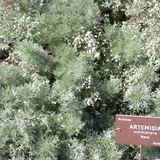
lamb's ear (Stachys)lavendergypsophilaartemisia

Availability worldwide

Italian classic, relatively widespread in Europe:

🇮🇹 Italy: high · Rose Barni (Pistoia)🇪🇺 Europe: moderate · 'retro' segment🇺🇸 USA: limited🇺🇦 Ukraine: rare · collectors' nurseries

More about the variety

Hips
Not documented — cut for repeat flowering
Variations of the variety
Code Selbar 0130; introduced 1981 in Italy through Rose Barni (Pistoia). Parentage: Papa Meilland (HT, Meilland 1963) × Barni seedling. Avoid overhead watering (it can spot the dark petals)

How to grow

Where to plant. As a dramatic solo accent in borders in front of grey foliage; in romantic arrangements with white and silver perennials; as a cut-flower shrub for classic bouquets. Lovely in 'evening' corners of the garden, where the deep pomegranate palette and scent are best appreciated.

Climate. All of Ukraine with light winter protection (USDA 6b–9b); it copes well with summer heat, a rare trait among deep-red HTs.

Care. Full sun, fertile, well-drained soil (pH 6.0–7.2); avoid overhead watering (it can spot the dark petals); feed 3 times a season with an emphasis on potassium; prune ⅓ in spring; cut for home bouquets — long, fragrant stems.

About the name

Name. 'Notturno' is the Italian musical term for 'nocturne' (a night piece for piano). It refers both to the velvety near-black tone of the bud (the darkness of the night) and to Chopin's dramatic night pieces: Notturno No. 1, No. 2, No. 20. Italian tradition often names roses after musical forms (Carmen, Aida, Toscana). Not to be confused with the French 'Nocturne' (1947) or the romantic phantom 'Naturno'.

Breeding. Bred by Vittorio Barni at the Rose Barni house (Pistoia, Italy), a leading Italian rose house since the late 1880s (founded by Onelio Barni). Code Selbar 0130. Introduced in 1981. Parentage: Papa Meilland (HT, Meilland 1963) × Barni unnamed seedling. Papa Meilland was the donor of the scent and the dark colour; Notturno inherited its 'classic red' perfume.

Significance. One of the best Italian HT classics of the 1980s, which is rare in a world dominated by French (Meilland, Delbard) and German (Kordes, Tantau) HTs. A unique trait: it keeps its colour in summer sun, while most deep reds 'fade' in heat. A healthy, tidy bush, unusual for 1980s HTs, which were known for their vulnerability to powdery mildew. No major international awards (AARS and ADR not given), but it is valued by collectors of Italian roses and lovers of near-black. The parentage of Papa Meilland is the most influential line of deep-red HT XX (twentieth-century) varieties, together with the Mister Lincoln and Norita families.

Frequently asked questions about Notturno

Does Notturno need winter protection?

The cultivar’s reference temperature is −23 °C (USDA zone 6b–9b). Overwintering depends on the conditions. All of Ukraine with light winter protection.

How many times a season does Notturno flower?

Generously repeat-flowering from May to the frosts — the signature of Barni-varieties.

How big does Notturno grow?

About 90 cm tall, about 70 cm wide.

Which diseases affect Notturno?

Overall resistance: 4 out of 5. High; a healthy, tidy bush; 'healthy upright shrub'.

How much sun does Notturno need?

Sun; keeps its colour in the sun (unusual for deep reds).

What does Notturno smell like?

Strong classic 'red' perfume — inherited from Papa Meilland; the variety's signature.

Gardeners' photos and reviews

My climate

Choose a reference temperature to compare with the cultivar’s data. This is not an overwintering forecast or advice on winter protection; consider wind, moisture and the duration of frost.

Regional data are generalised. USDA describes average annual extreme minima, not a forecast; the values in the list are rounded. Check the conditions at your site. More information: Roses in Ukraine's climate.