

Back to catalogue
Floribunda; sunny orange-yellow-salmonMichel Adam; Roses Michel Adam, 2005Bicolour

Paco Rabanne

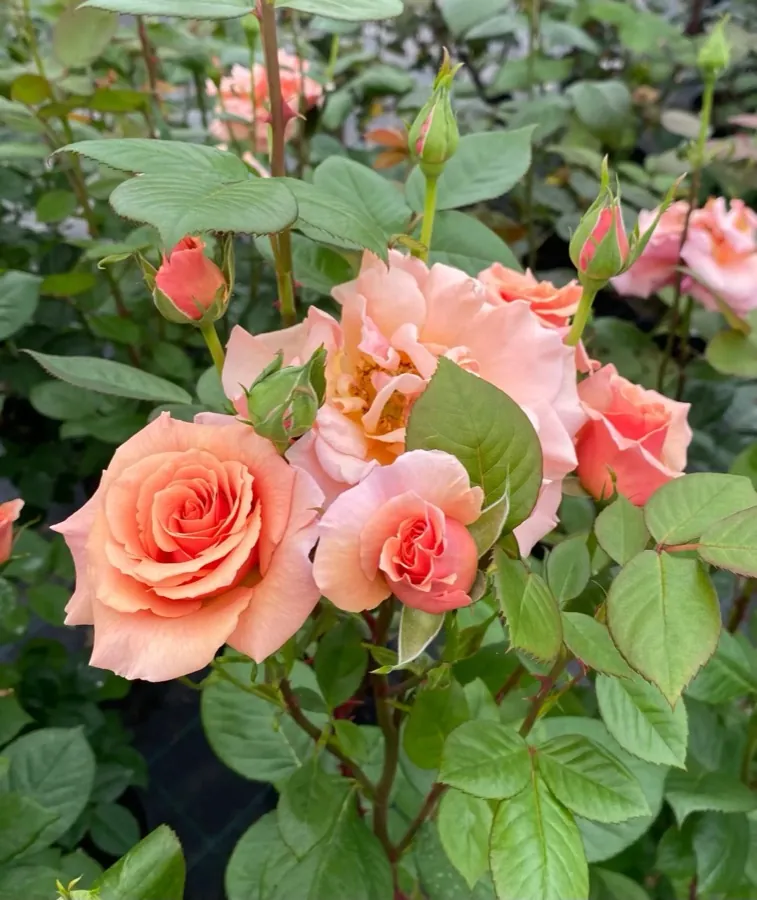
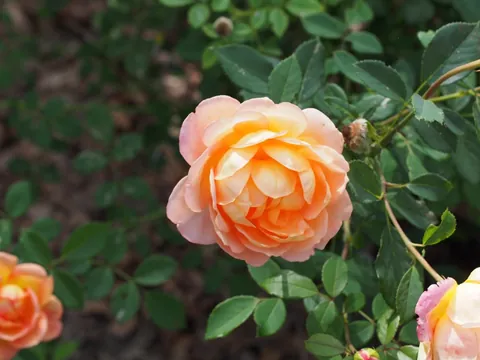
Deep yellow-orange with salmon-apricot tones; named after the Spanish-French couturier Paco Rabanne (1934–2023); an important clarification: the actual colour is NOT the two-tone pink often confused with the perfume brand.

Breeder Michel Adam (NOT Delbard) · salmon-orange colour (NOT a bicolour pink)

Variety profile

Flowering

Repeat flowering

Repeat flowering from June to October. Months are approximate, for the climate of Ukraine.

Legacy

Adam 2005

A 'fashion designers' series

Winter hardiness

−18 °C

USDA zone 6b–9b. Central/Southern Ukraine; the north with winter protection. Central/South Ukraine · North with winter protection.

Compare reference temperatures

Plant size

100–150 × 60 cm
person 170 cm100–150 cm
Habit
Upright, tall; a typical modern Floribunda
Dimensions
100–150 cm tall × up to 60 cm wide; a tall, upright Floribunda
Support
Not needed; self-supporting
Shoots
Strong and straight
Branching
Well branched, with sturdy stems

Flower

≈ 8 cm

28–35 petals.

Bud shape
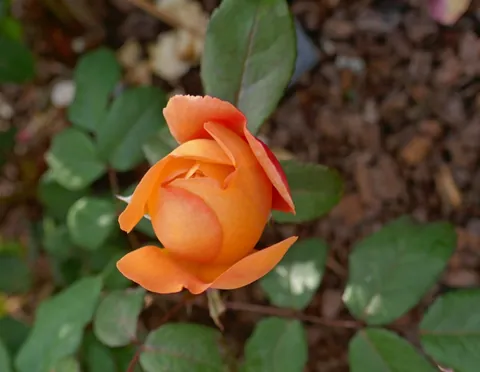
Elongated, deep orange
Open flower
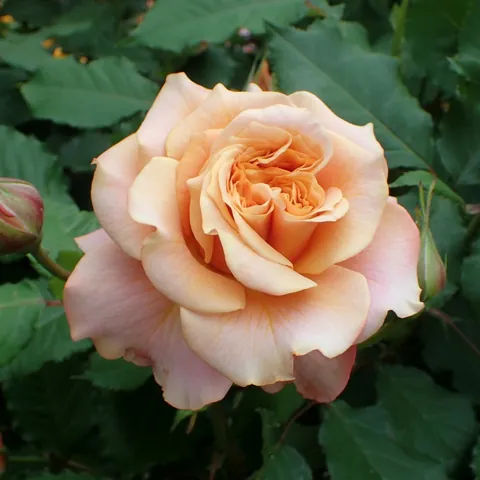
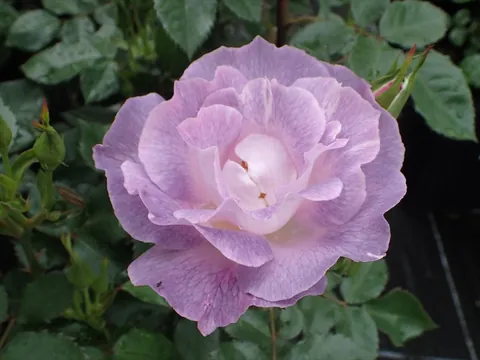
High-centred cupped form: about 8 cm, double, opening slowly
Centre
Tightly packed, with a yellow-orange tint at the centre
Fullness
28–35 petals
Flower carriage
In small clusters of 3–5, typical of Floribunda

Fragrance

Moderate to strong; fruity rose

Moderate to strong fruity-rose.

Disease resistance

4 out of 5

High, 4/5; typical of modern French Adam roses.

Sun

Full sun

Tolerates heat well.

Thorns

Few
thornlessfewmoderatemanyvery many

Few thorns; typical of modern French Floribundas.

Foliage

Dark green, semi-glossy, healthy.

All characteristics in a table
Group
Floribunda; sunny orange-yellow-salmon
Breeder
Michel Adam; Roses Michel Adam, France, 2005
Bud shape
Elongated, deep orange
Open flower
High-centred cupped form: about 8 cm, double, opening slowly
Centre
Tightly packed, with a yellow-orange tint at the centre
Colour
Deep sunny orange-yellow-salmon with apricot tones. Often confused with a two-tone pink linked to the Paco Rabanne perfume brand; the real variety is quite different: a warm, sunny palette
Fullness
28–35 petals
Flower carriage
In small clusters of 3–5, typical of Floribunda
Flowering
Repeat flowering from June to October
Fragrance
Moderate to strong fruity-rose
Hips
Not documented; typically cut
Habit
Upright, tall; a typical modern Floribunda
Branching
Well branched, with sturdy stems
Shoots
Strong and straight
Thorns
Few thorns; typical of modern French Floribundas.
Dimensions
100–150 cm tall × up to 60 cm wide; a tall, upright Floribunda
Support
Not needed; self-supporting
Foliage
Dark green, semi-glossy, healthy
Resistance
High, 4/5; typical of modern French Adam roses
Variations of the variety
Code ADAharlu. Bred 2004, introduced 2005. Parentage not published. Breeder: Michel Adam (Roses Michel Adam), NOT Delbard; a common error in catalogues

Colour scheme

Deep sunny orange-yellow-salmon with apricot tones. Often confused with a two-tone pink linked to the Paco Rabanne perfume brand; the real variety is quite different: a warm, sunny palette

Rose neighbours

Perennials to plant nearby

Rose neighbours

A warm, sunny family — creates a 'sunny corner':

Perennial companions

A warm 'sunny' palette with purple accents:

coreopsislavenderstachyssedum

Availability worldwide

A French Floribunda, moderately common in Europe:

  • 🇫🇷 France: high · Roses Michel Adam
  • 🇮🇹 Italy: high · NIRP International, Aisha Flowers
  • 🇪🇺 Europe: moderate
  • 🇺🇦 Ukraine: moderate · via French partners

More about the variety

Hips
Not documented; typically cut
Variations of the variety
Code ADAharlu. Bred 2004, introduced 2005. Parentage not published. Breeder: Michel Adam (Roses Michel Adam), NOT Delbard; a common error in catalogues

How to grow

Where to plant. In warm, sunny borders, as an accent among neutral or silver perennials; by terraces and paths for a sunny 'glow'; in 'fashionable' corners of the garden, as a design tribute to Paco Rabanne.

Climate. Central/Southern Ukraine with light winter protection (USDA 6b); tolerates summer heat well.

Care. Full sun; a well-ventilated site; moderate disease prevention; feed 2–3 times per season; prune one third in spring.

About the name

Name. 'Paco Rabanne', after Francisco Javier Rabaneda Cuervo (1934–2023), known as Paco Rabanne, a Spanish-French couturier and perfumer. Known for an avant-garde, futuristic style: clothing made of metal, plastic and paper. Important: the variety's name is NOT linked to the perfume brand 'Paco Rabanne', which is also well known; it is simply the name of the couturier. The Adam series gives varieties named after fashion designers.

Breeding. Bred by Michel Adam at Roses Michel Adam (France). Code ADAharlu. Bred 2004, introduced 2005. Parentage not published. A common myth credits Delbard; this is wrong, the true breeder is Michel Adam, a less well-known French nursery.

Significance. The sunny orange-yellow-salmon palette is relatively rare among modern Floribundas. Moderate to strong fruity-rose fragrance, a rare combination with a bright warm colour. High disease resistance, typical of modern French roses. No major official awards (AARS, ADR and RHS AGM not publicly found). Often confused with a two-tone pink because of the perfume association; in fact it is a variety in a warm, sunny palette. Distributed mainly through French and Italian catalogues.

Frequently asked questions about Paco Rabanne

Does Paco Rabanne need winter protection?

The cultivar’s reference temperature is −18 °C (USDA zone 6b–9b). Overwintering depends on the conditions. Central/Southern Ukraine; the north with winter protection.

How many times a season does Paco Rabanne flower?

Repeat flowering from June to October.

How big does Paco Rabanne grow?

100–150 cm tall, about 60 cm wide.

Which diseases affect Paco Rabanne?

Overall resistance: 4 out of 5. High; typical of modern French roses.

How much sun does Paco Rabanne need?

Sun; full sun; tolerates heat well.

What does Paco Rabanne smell like?

Moderate to strong fruity-rose.

Gardeners' photos and reviews

My climate

Choose a reference temperature to compare with the cultivar’s data. This is not an overwintering forecast or advice on winter protection; consider wind, moisture and the duration of frost.

Regional data are generalised. USDA describes average annual extreme minima, not a forecast; the values in the list are rounded. Check the conditions at your site. More information: Roses in Ukraine's climate.