

Back to catalogue
Climbing Hybrid Tea; Large-Flowered ClimberR. Harkness & Co.; Hitchin, 1998Apricot and orange

Penny Lane

Honey-champagne climber; RNRS Rose of the Year 1998 + RHS AGM; named after The Beatles song "Penny Lane" (1967, Paul McCartney) — about a street in Liverpool; parentage — a daughter of New Dawn (1930).

RNRS Rose of the Year 1998 + RHS AGM

Variety profile

Flowering

Repeat flowering

Repeat flowering from summer to late autumn. Months are approximate, for the climate of Ukraine.

Legacy

RNRS RoY 1998

RHS AGM · parentage New Dawn

Winter hardiness

−20 °C

USDA zone 5–9. All of Ukraine without cover. RHS H6 · all of Ukraine without winter cover.

Compare reference temperatures

Plant size

250–400 × 100–150 cm
person 170 cm250–400 cm
Habit
Upright climber with strong stems
Dimensions
250–400 cm high (HMF records up to 4.5 m in a mild climate) × 100–150 cm wide; ideal for a 6–10 ft wall, an arch, a pergola
Support
Essential — wall, arch, pergola, trellis
Shoots
Strong, straight — easily trained vertically on a wall
Branching
Well branched, with strong main canes and moderately flexible side shoots

Flower

≈ 12 cm

50 petals.

Bud shape
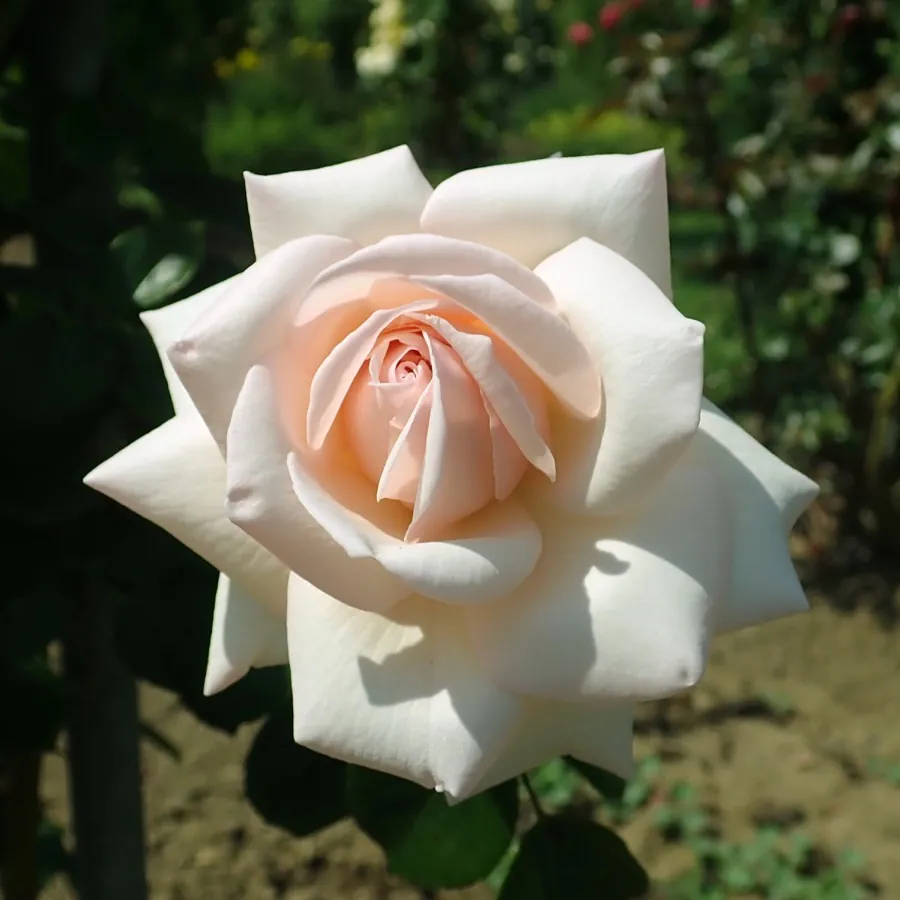
Round, honey-champagne
Open flower
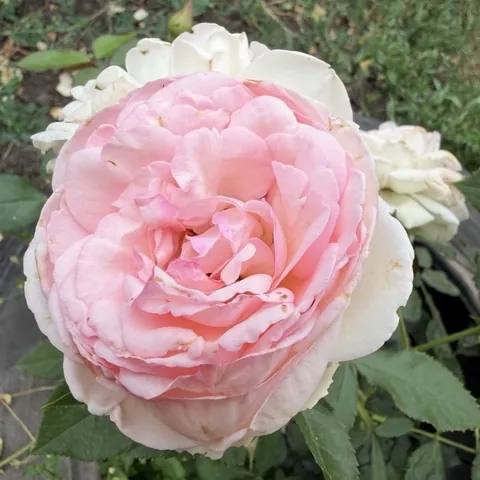
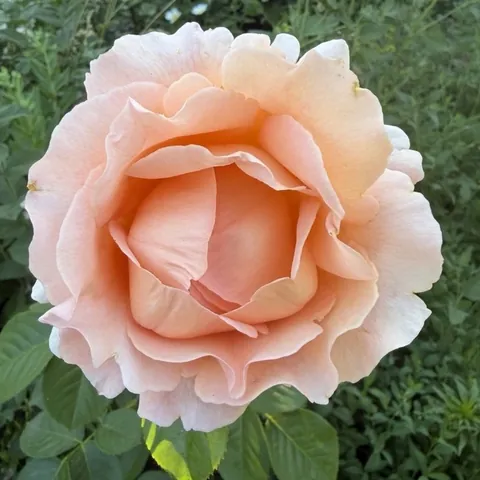
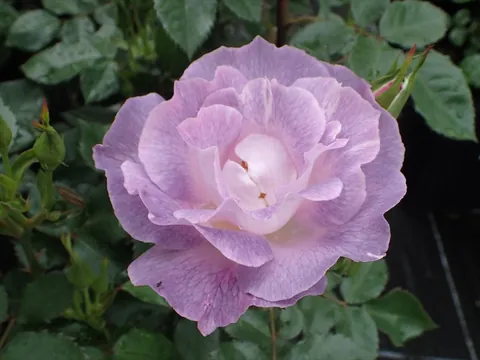
Fully double with ~50 petals: wavy edges, "old-fashioned" form — typical of a romantic climber
Centre
Densely packed with curled petals
Fullness
~50 petals (full)
Flower carriage
Flowers borne singly and in small clusters of 3 — typical of Climbing Hybrid Tea

Fragrance

Strong; fruity-honey

Strong fruity-honey — inherited through New Dawn.

Disease resistance

4 out of 5

Good, 4/5 — typical of modern Harkness roses; RHS hardiness H6 (−20…−15 °C); USDA 5–9.

Sun

Sun + shade

Full sun or light shade.

Thorns

Moderate
thornlessfewmoderatemanyvery many

Moderate number of prickles — typical of modern Harkness-climbers.

Foliage

Glossy dark green — typical of healthy modern climbers.

All characteristics in a table
Group
Climbing Hybrid Tea; Large-Flowered Climber
Breeder
R. Harkness & Co.; Hitchin, United Kingdom, 1998
Bud shape
Round, honey-champagne
Open flower
Fully double with ~50 petals: wavy edges, "old-fashioned" form — typical of a romantic climber
Centre
Densely packed with curled petals
Colour
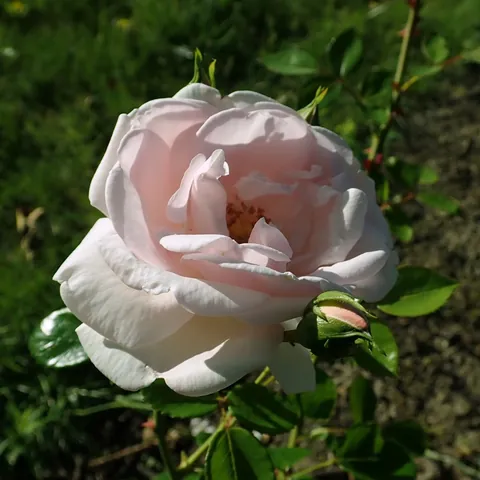
Honey-champagne with apricot-cream shimmers; in the heat it fades to pearly pale pink with cream. A multi-stage colour play
Fullness
~50 petals (full)
Flower carriage
Flowers borne singly and in small clusters of 3 — typical of Climbing Hybrid Tea
Flowering
Repeat flowering from summer to late autumn
Fragrance
Strong fruity-honey — inherited through New Dawn
Hips
Not documented — cut to encourage repeat flowering
Habit
Upright climber with strong stems
Branching
Well branched, with strong main canes and moderately flexible side shoots
Shoots
Strong, straight — easily trained vertically on a wall
Thorns
Moderate number of prickles — typical of modern Harkness-climbers.
Dimensions
250–400 cm high (HMF records up to 4.5 m in a mild climate) × 100–150 cm wide; ideal for a 6–10 ft wall, an arch, a pergola
Support
Essential — wall, arch, pergola, trellis
Foliage
Glossy dark green — typical of healthy modern climbers
Resistance
Good, 4/5 — typical of modern Harkness roses; RHS hardiness H6 (−20…−15 °C); USDA 5–9
Variations of the variety
Code HARdwell (PBR). Introduced 1998. Parentage: 'Ann Harkness' (Floribunda, Harkness 1979) × 'New Dawn' (LCl, Dreer/Somerset Rose Nursery 1930). Parentage from New Dawn — inherited hardiness, fragrance, repeat flowering

Colour scheme

Honey-champagne with apricot-cream shimmers; in the heat it fades to pearly pale pink with cream. A multi-stage colour play

Rose neighbours

Perennials to plant nearby

Neighbouring roses

Climbers and the pastel family create a Beatles-era 'arch gallery':

Companion perennials

Classic English cottage palette:

lavenderlady's mantlehostagypsophila

Availability worldwide

One of the best-known British climbers of the late 1990s:

  • 🇬🇧 UK: very high · Harkness Roses, David Austin EU
  • 🇪🇺 Europe: high · World of Roses, Jones the Rose
  • 🇺🇸 USA: moderate
  • 🇺🇦 Ukraine: moderate · via Harkness partners

More about the variety

Hips
Not documented — cut to encourage repeat flowering
Variations of the variety
Code HARdwell (PBR). Introduced 1998. Parentage: 'Ann Harkness' (Floribunda, Harkness 1979) × 'New Dawn' (LCl, Dreer/Somerset Rose Nursery 1930). Parentage from New Dawn — inherited hardiness, fragrance, repeat flowering

How to grow

Where to plant. On walls (6–10 feet — the main use), arches, pergolas, trellises; as a romantic accent in English cottage gardens; ideal for "literary and musical" corners — a reminder of the Beatles-era.

Climate. All of Ukraine without cover (RHS H6, USDA 5–9); copes well with summer heat. In a mild climate it can reach 4.5 m tall.

Care. Full sun or light shade; a sturdy support is essential (wall or trellis); feed 2–3 times per season; prune by ⅓ in spring; good disease resistance — minimal prevention.

About the name

Name. "Penny Lane" — after The Beatles song "Penny Lane" (1967, written by Paul McCartney) — about a street in Liverpool where McCartney grew up. The introduction in 1998 coincided with a cultural wave of nostalgia for the Beatles (31 years after the song's release). The name captures the atmosphere perfectly: nostalgic British countryside, softness, warmth, musicality. Another Harkness-climber with a cultural name — Compassion (1973).

Breeding. Bred at R. Harkness & Co. Ltd. (Hitchin, Hertfordshire, UK) — one of the leading British rose nurseries (founded 1879). Code HARdwell (PBR). Introduced 1998. Parentage: 'Ann Harkness' (Floribunda, Harkness 1979) × 'New Dawn' (LCl, Dreer/Somerset Rose Nursery 1930). New Dawn is the mother! Penny Lane inherited hardiness, fragrance and repeat flowering from its mother, a Hall-of-Fame climber.

Significance. RNRS Rose of the Year 1998 — a prestigious British award from the Royal National Rose Society. RHS Award of Garden Merit — practical British recognition. One of the best-known British climbers of the late 1990s. A daughter of New Dawn — continues the line of WFRS HoF climbers. A multi-stage colour play: honey-champagne – pearly pale pink with cream. Placed 109th at the Monza Competition 1999 — also shown in international competitions. The Beatles-era in the garden.

Frequently asked questions about Penny Lane

Does Penny Lane need winter protection?

The cultivar’s reference temperature is −20 °C (USDA zone 5–9). Overwintering depends on the conditions. All of Ukraine without cover.

How many times a season does Penny Lane flower?

Repeat flowering from summer to late autumn.

How big does Penny Lane grow?

250–400 cm tall, 100–150 cm wide.

Which diseases affect Penny Lane?

Overall resistance: 4 out of 5. Good; typical of modern Harkness roses.

How much sun does Penny Lane need?

Sun + shade; full sun or light shade.

What does Penny Lane smell like?

Strong fruity-honey — inherited through New Dawn.

Gardeners' photos and reviews

My climate

Choose a reference temperature to compare with the cultivar’s data. This is not an overwintering forecast or advice on winter protection; consider wind, moisture and the duration of frost.

Regional data are generalised. USDA describes average annual extreme minima, not a forecast; the values in the list are rounded. Check the conditions at your site. More information: Roses in Ukraine's climate.