




Back to catalogue
Floribunda / Polyantha; Romantica collectionAlain Meilland; Meilland International, 2005Red

Red Leonardo da Vinci

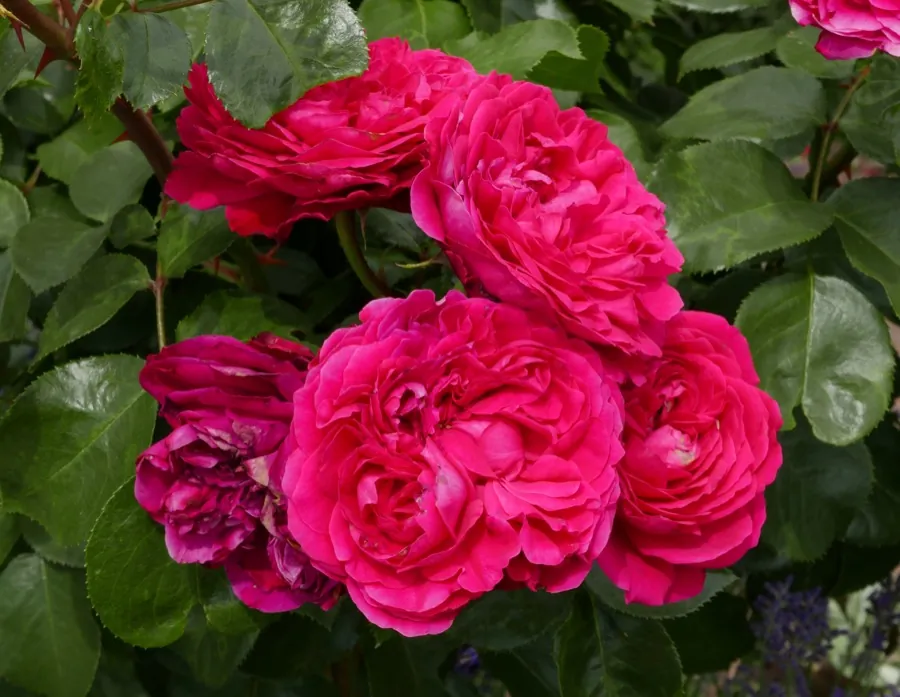
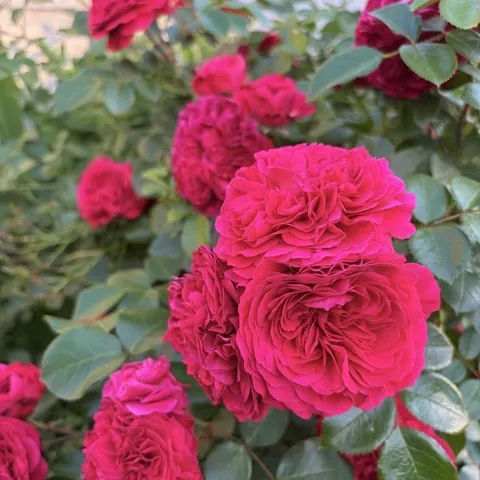
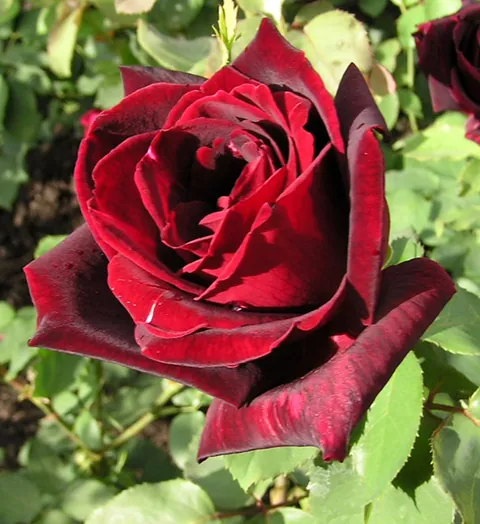
Dark garnet-red velvety rose with a quartered 'old-fashioned' form; ADR + medals at Metz; a 'red nostalgic' alternative to the English Austin roses; the red version of the iconic pink Leonardo da Vinci (1993) — a tribute to Leonardo da Vinci.

ADR · INDEPENDENT HYBRID (not a sport of Leonardo da Vinci 1993)

Variety profile

Flowering

Repeat flowering

Repeat-flowering from June to October. Months are approximate, for the climate of Ukraine.

Legacy

ADR

Medals at Metz · Top Rosen

Winter hardiness

−20 °C

RHS H6 · all of Ukraine without winter protection.

Compare reference temperatures

Plant size

70–110 × 50–100 cm
person 170 cm70–110 cm
Habit
Dense, compact, well branched — typical Romantica
Dimensions
70–110 cm tall × 50–100 cm wide
Support
Not needed — self-supporting
Shoots
Sturdy, straight
Branching
Well branched, with strong stems

Flower

6–8 cm
Bud shape
Round, dark garnet
Open flower
Quartered (old-fashioned): 6–8 cm, very double, reminiscent of a nineteenth-century rose
Centre
Tightly packed, with curled 'quartered' petals
Fullness
90+ petals (very double, quartered) — a record among modern Floribundas
Flower carriage
In small clusters

Fragrance

Light; lightly scented

Light, lightly scented — typical of the Romantica-series (where the emphasis is on form).

Disease resistance

5 out of 5

Top 5/5: ADR confirmed; very good in rain, resistant to the main fungal diseases; RHS H6.

Sun

Sun + shade

Full sun or light shade.

Thorns

Few
thornlessfewmoderatemanyvery many

Few thorns — typical of modern Meilland roses.

Foliage

Exceptionally healthy — typical of ADR-varieties; dark green, glossy.

All characteristics in a table
Group
Floribunda / Polyantha; Romantica collection
Breeder
Alain Meilland; Meilland International, France, 2005
Bud shape
Round, dark garnet
Open flower
Quartered (old-fashioned): 6–8 cm, very double, reminiscent of a nineteenth-century rose
Centre
Tightly packed, with curled 'quartered' petals
Colour
Dark garnet red, velvety and rich; new growth wine-red. The classic Romantica-palette
Fullness
90+ petals (very double, quartered) — a record among modern Floribundas
Flower carriage
In small clusters
Flowering
Repeat-flowering from June to October
Fragrance
Light, lightly scented — typical of the Romantica-series (where the emphasis is on form)
Hips
Not documented — usually cut for the vase
Habit
Dense, compact, well branched — typical Romantica
Branching
Well branched, with strong stems
Shoots
Sturdy, straight
Thorns
Few thorns — typical of modern Meilland roses.
Dimensions
70–110 cm tall × 50–100 cm wide
Support
Not needed — self-supporting
Foliage
Exceptionally healthy — typical of ADR-varieties; dark green, glossy
Resistance
Top 5/5: ADR confirmed; very good in rain, resistant to the main fungal diseases; RHS H6
Variations of the variety
Code MEIangele (PBR). Introduced 2005. INDEPENDENT HYBRID — NOT a sport of the pink Leonardo da Vinci (MEIzeli, 1993), but a separate variety with a similar form that received the series' 'family' name. Parentage: 'Rote Max Graf' × ('Cassandra' × 'Bonica') — Bonica is among its ancestors!

Colour scheme

Dark garnet red, velvety and rich; new growth is wine-red. The classic Romantica-palette

Rose neighbours

Perennials to plant nearby

Neighbouring roses

Romantica and deep-red family — they create a 'nostalgic corner':

Perennial companions

Silvery-violet perennials bring out the garnet tone:

lamb's ear (Stachys)gypsophilalavenderartemisia

Availability worldwide

Very widespread in Europe:

🇫🇷 France: very high · Meilland-Richardier🇪🇺 Europe: high · gardens and parks🇩🇪 Germany: high (ADR)🇺🇦 Ukraine: high · via Meilland partners

More about the variety

Hips
Not documented — usually cut for the vase
Variations of the variety
Code MEIangele (PBR). Introduced 2005. INDEPENDENT HYBRID — NOT a sport of the pink Leonardo da Vinci (MEIzeli, 1993), but a separate variety with a similar form that received the series' 'family' name. Parentage: 'Rote Max Graf' × ('Cassandra' × 'Bonica') — Bonica is among its ancestors!

How to grow

Where to plant. In 'nostalgic' borders with an English character; as a 'red alternative' to Austin English Roses; in parks and public spaces thanks to its ADR-tested toughness; in 'Renaissance' corners alongside the pink Leonardo da Vinci.

Climate. All of Ukraine without protection (RHS H6); copes well with summer heat and rain.

Care. Full sun or light shade; minimal care thanks to its ADR performance; feed 2× per season; prune ⅓ in spring.

About the name

Name. 'Red Leonardo da Vinci' — named after Leonardo da Vinci (1452–1519), the Italian painter, inventor and engineer of the High Renaissance. The red version of the iconic pink Leonardo da Vinci (MEIzeli, 1993), one of the best-known Romantica-series varieties from Meilland. Important: this is not a sport but an INDEPENDENT HYBRID, which received the series' 'family' name because of its similar quartered form.

Breeding. Bred by Alain Meilland at Meilland International (France). Code MEIangele (PBR). Introduced 2005. Parentage: 'Rote Max Graf' × ('Cassandra' × 'Bonica'). Bonica is among its ancestors — the toughness and easy care of that celebrated landscape rose are inherited. The Romantica collection is a Meilland line with the quartered 'old-fashioned' form (Eden Rose, Leonardo da Vinci, Romantique, Augusta Luise).

Significance. ADR (Allgemeine Deutsche Rosenneuheitenprüfung) — a prestigious German award for robustness and beauty. Medals at Metz. Mentions in Top Rosen. A 'red nostalgic' alternative to the English Austin roses — Romantica gives a quartered form without the weaknesses of the English varieties. Exceptionally healthy foliage — inherited from Kordesii via Rote Max Graf. 90+ petals — a record for doubleness among modern Floribundas.

Frequently asked questions about Red Leonardo da Vinci

Does Red Leonardo da Vinci need winter protection?

The cultivar’s reference temperature is −20 °C. Overwintering depends on the conditions.

How many times a season does Red Leonardo da Vinci flower?

Repeat-flowering from June to October.

How big does Red Leonardo da Vinci grow?

70–110 cm tall, 50–100 cm wide.

Which diseases affect Red Leonardo da Vinci?

Overall resistance: 5 out of 5. ADR confirmed; exceptionally healthy foliage.

How much sun does Red Leonardo da Vinci need?

Sun + shade; full sun or light shade.

What does Red Leonardo da Vinci smell like?

Light, lightly scented — typical of the Romantica-series (where the emphasis is on form).

Gardeners' photos and reviews

My climate

Choose a reference temperature to compare with the cultivar’s data. This is not an overwintering forecast or advice on winter protection; consider wind, moisture and the duration of frost.

Regional data are generalised. USDA describes average annual extreme minima, not a forecast; the values in the list are rounded. Check the conditions at your site. More information: Roses in Ukraine's climate.