


Back to catalogue
Shrub; English apricot with a quartered formHarkness & CoApricot and orange

Sherlock Holmes

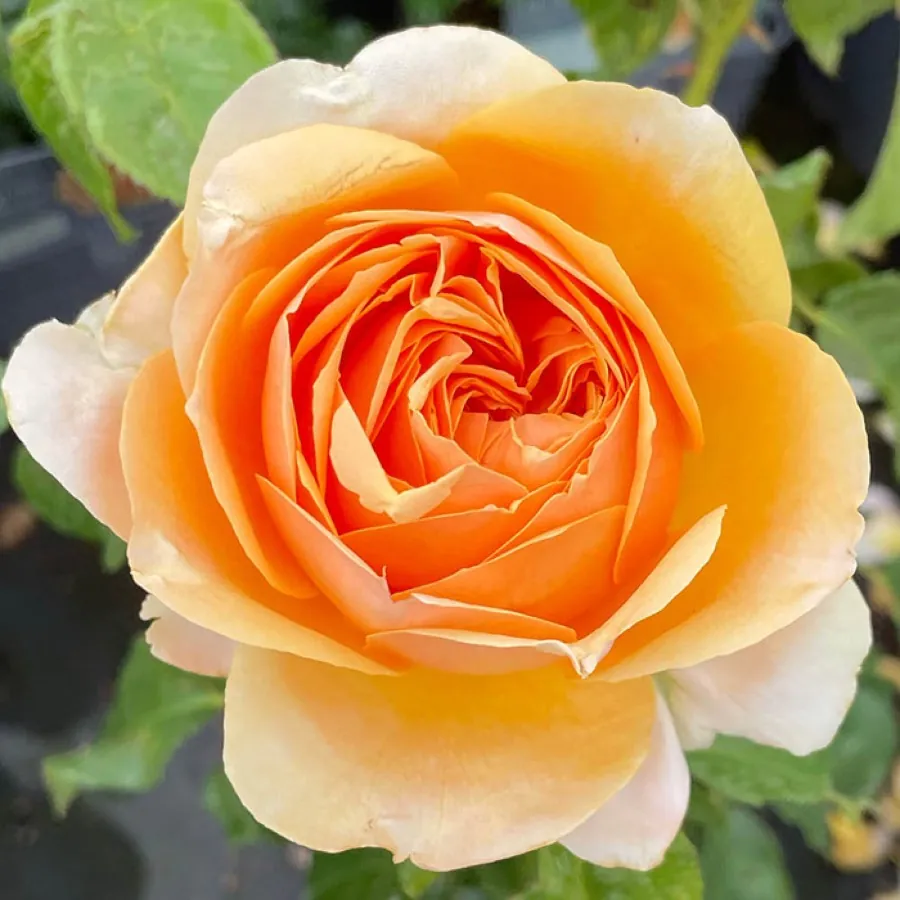
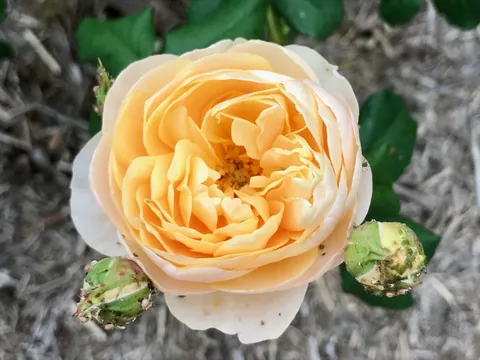
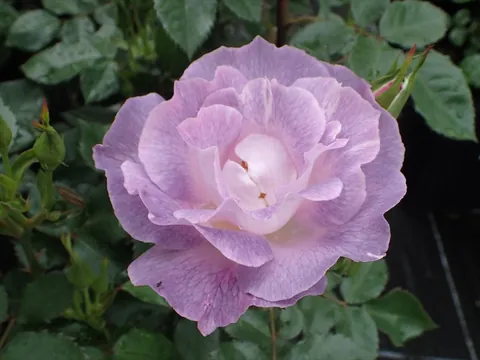
Apricot-golden-amber English rose with a quartered old-fashioned form; named after Sherlock Holmes, the detective from Arthur Conan Doyle's stories; synonym 'St Richard of Chichester', a dedication to an Anglican saint; Harkness Abundance Collection, a series of healthy varieties from the British breeding house.

Harkness Abundance Collection · named after Sherlock Holmes (Arthur Conan Doyle)

Variety profile

Flowering

Repeat flowering

Generous repeat flowering from June to October. Months are approximate, for the climate of Ukraine.

Legacy

Abundance Coll.

Harkness healthy series

Winter hardiness

−23 °C

USDA zone 6b-9b. Ukraine: Centre / South.

Compare reference temperatures

Plant size

90–100 × 80 cm
person 170 cm90–100 cm
Habit
Compact, bushy: a typical English shrub rose
Dimensions
90-100 cm tall × 80 cm wide: a compact English shrub rose for a mixed border and small beds
Support
Not needed; self-supporting
Shoots
Medium stiffness; they hold the flowers level
Branching
Well branched

Flower

17-25 petals
Bud shape
Round, apricot
Open flower
Quartered old-fashioned form: large, 17-25 petals arranged in a cupped rosette
Centre
Quartered: the petals in 4 'quarters', like Old Garden Roses and Austin
Fullness
17-25 petals (medium-full)
Flower carriage
Singly or in small clusters

Fragrance

Light

Light; Harkness's priority was flower form and resilience.

Disease resistance

4 out of 5

Good, 4/5: the Harkness Abundance Collection is marketed as a 'healthy series' with a priority on resilience. USDA 6b-9b: Ukraine Centre / South without winter protection.

Sun

Full sun

Thorns

Moderate
thornlessfewmoderatemanyvery many

Moderate number of thorns, typical of English shrub roses.

Foliage

Healthy, dark green, semi-glossy.

Other names

St Richard of Chichester
All characteristics in a table
Group
Shrub; English apricot with a quartered form
Breeder
Harkness & Co, United Kingdom
Bud shape
Round, apricot
Open flower
Quartered old-fashioned form: large, 17-25 petals arranged in a cupped rosette
Centre
Quartered: the petals in 4 'quarters', like Old Garden Roses and Austin
Colour
Apricot / golden-amber (apricot blend): a warm 'summery' tone. Sometimes young flowers show pink glints
Fullness
17-25 petals (medium-full)
Flower carriage
Singly or in small clusters
Flowering
Generous repeat flowering from June to October
Fragrance
Light; Harkness's priority was flower form and resilience
Hips
Not documented; typically cut off
Habit
Compact, bushy: a typical English shrub rose
Branching
Well branched
Shoots
Medium stiffness; they hold the flowers level
Thorns
Moderate number of thorns, typical of English shrub roses.
Dimensions
90-100 cm tall × 80 cm wide: a compact English shrub rose for a mixed border and small beds
Support
Not needed; self-supporting
Foliage
Healthy, dark green, semi-glossy
Resistance
Good, 4/5: the Harkness Abundance Collection is marketed as a 'healthy series' with a priority on resilience. USDA 6b-9b: Ukraine Centre / South without winter protection
Variations of the variety
Code HARklement. Introduced 2006/2007 through Harkness & Co (Hitchin, Hertfordshire, UK). Synonym: 'St Richard of Chichester'. Parentage not published by Harkness. This is NOT an Austin, as is often wrongly stated in secondary catalogues: it is a Harkness, a different British breeding house

Colour scheme

Apricot / golden-amber (apricot blend): a warm 'summery' tone. Sometimes young flowers show pink glints

Rose neighbours

Perennials to plant nearby

Neighbouring roses

Warm English Austins and creamy apricot neighbours:

Perennial companions

Classic English cottage palette:

lavenderhostalady's mantle (Alchemilla)sage (Salvia)

Availability worldwide

Harkness Abundance Collection — the backbone of the British catalogue:

🇬🇧 UK: high · home of Harkness🇪🇺 Europe: moderate🇺🇸 USA: low🇺🇦 Ukraine: rare · via imported collectors

More about the variety

Hips
Not documented; typically cut off
Variations of the variety
Code HARklement. Introduced 2006/2007 through Harkness & Co (Hitchin, Hertfordshire, UK). Synonym: 'St Richard of Chichester'. Parentage not published by Harkness. This is NOT an Austin, as is often wrongly stated in secondary catalogues: it is a Harkness, a different British breeding house

How to grow

Where to plant. In 'English' cottage-style plantings; as the middle layer of a mixed border with peach and pink neighbours; in small beds; beside a bench; in a 'detective' corner with other 'literary' varieties.

Climate. Ukraine Centre / South without winter protection (USDA 6b-9b); copes well with summer heat.

Care. Full sun; moderate disease prevention; feed 2-3 times per season; prune ⅓ in spring.

About the name

Name. 'Sherlock Holmes', after the famous detective of Sir Arthur Conan Doyle's stories (1859-1930), one of the best-known literary characters in English-speaking culture. Synonym: 'St Richard of Chichester', a dedication to the Anglican saint Richard of Chichester (1197-1253, Bishop of Chichester). These are two separate names for one variety, for different marketing needs (literary versus religious).

Breeding. Bred by Harkness & Co (Hitchin, Hertfordshire, Great Britain). Code HARklement. Introduced 2006/2007. Parentage not published by Harkness. Harkness is one of the oldest British breeding houses, founded in 1879, specialising in healthy garden varieties for the English climate.

Significance. The Harkness Abundance Collection, a Harkness series that prioritises health and resilience, marketed to British gardeners as 'garden roses that need no care'. The quartered old-fashioned form resembles Austin English Roses or Old Garden Roses, but it was bred in Harkness-style. The literary name Sherlock Holmes is typical of British culture, where literary dedications in variety names have been a tradition since the nineteenth century. It is often confused with Austin: in some legacy catalogues it is wrongly listed as an Austin, but it is in fact a Harkness. There are no major international awards (ADR/AARS/RHS AGM): Sherlock Holmes is valued above all for its flower form and British identity.

Frequently asked questions about Sherlock Holmes

Does Sherlock Holmes need winter protection?

The cultivar’s reference temperature is −23 °C (USDA zone 6b−9b). Overwintering depends on the conditions. Ukraine: Centre / South.

How many times a season does Sherlock Holmes flower?

Generous repeat flowering from June to October.

How big does Sherlock Holmes grow?

90–100 cm tall, about 80 cm wide.

Which diseases affect Sherlock Holmes?

Overall resistance: 4 out of 5. Good; Harkness Abundance is the standard for health.

How much sun does Sherlock Holmes need?

Sun; full sun.

What does Sherlock Holmes smell like?

Light; Harkness's priority was flower form and resilience.

Gardeners' photos and reviews

My climate

Choose a reference temperature to compare with the cultivar’s data. This is not an overwintering forecast or advice on winter protection; consider wind, moisture and the duration of frost.

Regional data are generalised. USDA describes average annual extreme minima, not a forecast; the values in the list are rounded. Check the conditions at your site. More information: Roses in Ukraine's climate.