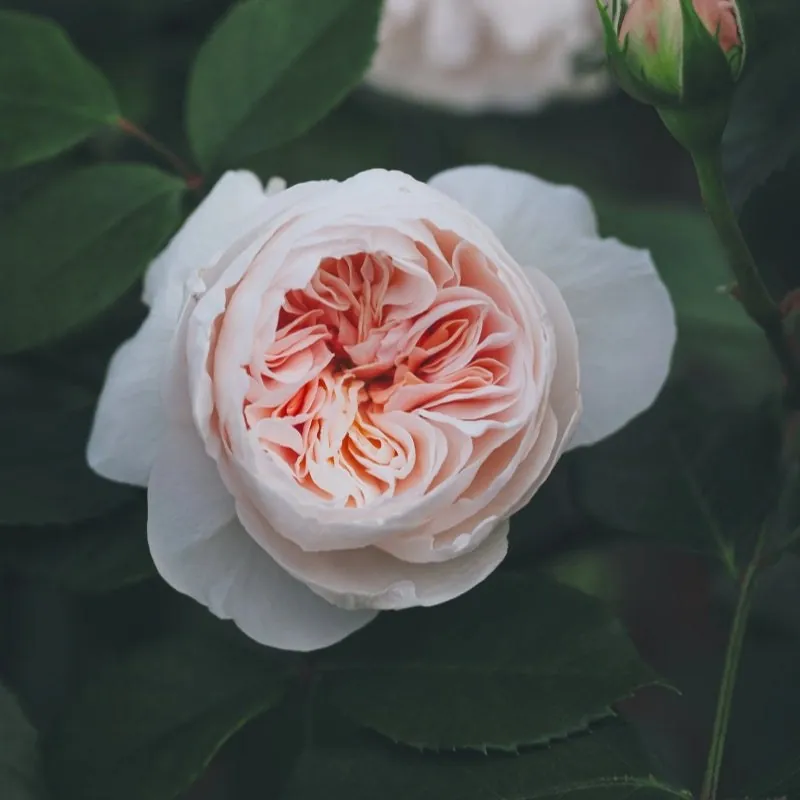
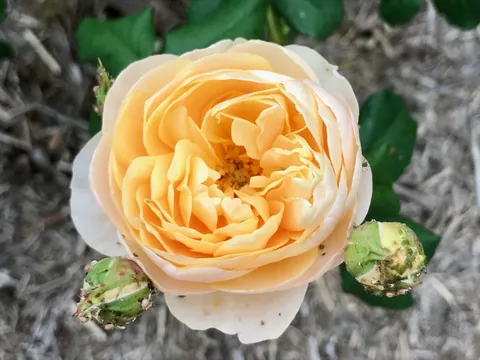
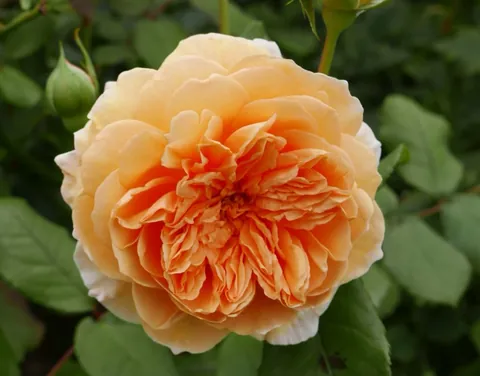
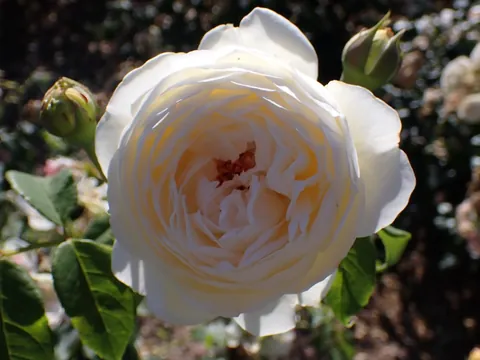
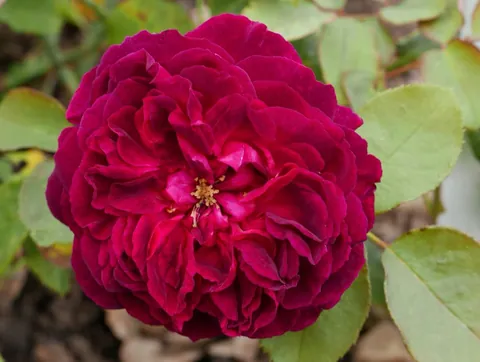




Sabrina, close-up of the flower
Back to catalogue
Climber; nostalgic cream-apricot climberMeilland InternationalWhite and cream

Sabrina

A cream climber with an apricot-peach centre in a quartered rosette form; ADR 2015 + Baden-Baden Silver 2013 + Hradec Králové Gold 2015 — a landmark climber of the 2010s; named after Audrey Hepburn in the film “Sabrina” (1954); 95–100 petals in quartered form.

MEIptorius (AM116) · ADR 2015 + Baden-Baden Silver 2013 + Hradec Králové Gold 2015

Variety profile

Flowering

Repeat, in flushes

Very generous repeat-flowering in waves from June to October — the climber is constantly in flower. Months are approximate, for the climate of Ukraine.

Legacy

ADR 2015

+ 2 Gold/Silver

Winter hardiness

−26 °C

USDA zone 6a. Ukraine with light cover.

Compare reference temperatures

Plant size

170–250 × 100–150 cm
person 170 cm170–250 cm
Habit
Arch-shaped, compact climber — for pergolas and small gardens
Dimensions
170–250 cm tall × 100–150 cm wide — a compact climber for pergolas and small gardens, which does not sprawl
Support
Needs a support: pergola, arch, obelisk, wall; trains well horizontally
Shoots
Flexible, well trained horizontally
Branching
Well branched with flexible shoots

Flower

8-9 cm
Bud shape
Round, soft cream with an apricot tint
Open flower
Quartered rosette, “old-fashioned”: 8–9 cm, 95–100 petals (according to the Meilland catalogue)
Centre
Quartered — petals folded into 4 “quarters”, reminiscent of an Old Garden Rose
Fullness
95–100 petals (very full) — record fullness for a climber
Flower carriage
Singly or in small clusters of 2–3 flowers

Fragrance

Light to moderate; delicate

Light to moderate, delicate — the breeder's priority was the flower form.

Disease resistance

5 out of 5

Outstanding 5/5 against black spot, powdery mildew and rust — confirmed by the ADR-certificate of 2015. USDA 6a — in Ukraine it overwinters with light cover.

Sun

Full sun

Tolerates light shade.

Thorns

Moderate
thornlessfewmoderatemanyvery many

Medium number of thorns — typical of Meilland climbers.

Foliage

Dark green, glossy, healthy.

Other names

Love Returns to Paris, Love in Paris
All characteristics in a table
Group
Climber; nostalgic cream-apricot climber
Breeder
Meilland International
Bud shape
Round, soft cream with an apricot tint
Open flower
Quartered rosette, “old-fashioned”: 8–9 cm, 95–100 petals (according to the Meilland catalogue)
Centre
Quartered — petals folded into 4 “quarters”, reminiscent of an Old Garden Rose
Colour
Cream at the edges – apricot-peach in the centre — a soft gradient without sharp transitions. The colour holds all season
Fullness
95–100 petals (very full) — record fullness for a climber
Flower carriage
Singly or in small clusters of 2–3 flowers
Flowering
Very generous repeat-flowering in waves from June to October — the climber is constantly in flower
Fragrance
Light to moderate, delicate — the breeder's priority was the flower form
Hips
Not documented — usually cut
Habit
Arch-shaped, compact climber — for pergolas and small gardens
Branching
Well branched with flexible shoots
Shoots
Flexible, well trained horizontally
Thorns
Medium number of thorns — typical of Meilland climbers.
Dimensions
170–250 cm tall × 100–150 cm wide — a compact climber for pergolas and small gardens, which does not sprawl
Support
Needs a support: pergola, arch, obelisk, wall; trains well horizontally
Foliage
Dark green, glossy, healthy
Resistance
Outstanding 5/5 against black spot, powdery mildew and rust — confirmed by the ADR-certificate of 2015. USDA 6a — in Ukraine it overwinters with light cover
Variations of the variety
Code MEIptorius (internal AM116). Introduced in Germany in 2012, in France in 2017, via Meilland International. Synonyms: 'Love Returns to Paris', 'Love in Paris'. Parentage not published. Do not confuse with other Sabrina varieties — there were several in breeding history (Meilland HT of 1960 and others); this one is a 2012 climber

Colour scheme

Cream at the edges – apricot-peach in the centre — a soft gradient without sharp transitions. The colour holds all season

Rose neighbours

Perennials to plant nearby

Neighbouring roses

Cream-peach fragrant roses create a 'nostalgic' pergola:

Perennial companions

Cool violet-silver tones set off the warm flower colours:

lavenderStachys (lamb's ears)lady's mantlesage

Availability worldwide

⭐⭐ An iconic climber of the 2010s — ADR certification guarantees quality:

  • 🇫🇷 France: high · Meilland home country
  • 🇩🇪 Germany: very high · ADR favourite
  • 🇪🇺 Europe: high
  • 🇺🇦 Ukraine: moderate · through collectors' nurseries

More about the variety

Hips
Not documented — usually cut
Variations of the variety
Code MEIptorius (internal AM116). Introduced in Germany in 2012, in France in 2017, via Meilland International. Synonyms: 'Love Returns to Paris', 'Love in Paris'. Parentage not published. Do not confuse with other Sabrina varieties — there were several in breeding history (Meilland HT of 1960 and others); this one is a 2012 climber

How to grow

Where to plant. On a pergola, thanks to its compact size (it does not sprawl like large climbers); on an obelisk in a small garden; on a wall beside a bench to enjoy the nostalgic flower form; as an accent in the vertical zone of a mixed border.

Climate. Central/South Ukraine with light cover (USDA 6a); copes well with summer heat without the colour fading.

Care. Full sun or light shade; minimal disease prevention thanks to its ADR-resistance of 5/5; feed 2–3× per season; prune weak shoots in spring.

About the name

Name. “Sabrina” — after the heroine of the film “Sabrina” (1954) with Audrey Hepburn. The cream-apricot colour of the flower and the nostalgic quartered form are like Hepburn's delicate elegance in the role of a young girl who turns into a refined woman. The synonyms “Love Returns to Paris” and “Love in Paris” emphasise the film's Parisian associations.

Breeding. Bred by Meilland International (Antibes, France). Code MEIptorius (internal AM116). Introduced in Germany in 2012, in France in 2017. Parentage not published by Meilland (typical practice for competition varieties).

Significance. One of the most prestigious ADR-climbers of the 2010s: ADR 2015 (Germany's standard of robustness), Silver at Baden-Baden 2013, Gold at Hradec Králové 2015 — a rare combination of three European awards for one climber. Its outstanding resistance of 5/5 — the ADR certificate requires surviving 3 years without treatments in test gardens. The Quartered-rosette form with 95–100 petals is rare for a climber and reminiscent of Old Garden Roses. Its compactness suits pergolas in small gardens, where large climbers struggle. Do not confuse it with other Sabrinas — there were several in breeding history (including a Meilland HT of 1960). This one is a 2012 climber with code MEIptorius.

Frequently asked questions about Sabrina

Does Sabrina need winter protection?

The cultivar’s reference temperature is −26 °C (USDA zone 6a). Overwintering depends on the conditions. Ukraine with light cover.

How many times a season does Sabrina flower?

Very generous repeat-flowering in waves from June to October — the climber is constantly in flower.

How big does Sabrina grow?

170–250 cm tall, 100–150 cm wide.

Which diseases affect Sabrina?

Overall resistance: 5 out of 5. Outstanding — confirmed by the ADR-certificate of 2015.

How much sun does Sabrina need?

Sun; full sun; tolerates light shade.

What does Sabrina smell like?

Light to moderate, delicate — the breeder's priority was the flower form.

Gardeners' photos and reviews

My climate

Choose a reference temperature to compare with the cultivar’s data. This is not an overwintering forecast or advice on winter protection; consider wind, moisture and the duration of frost.

Regional data are generalised. USDA describes average annual extreme minima, not a forecast; the values in the list are rounded. Check the conditions at your site. More information: Roses in Ukraine's climate.