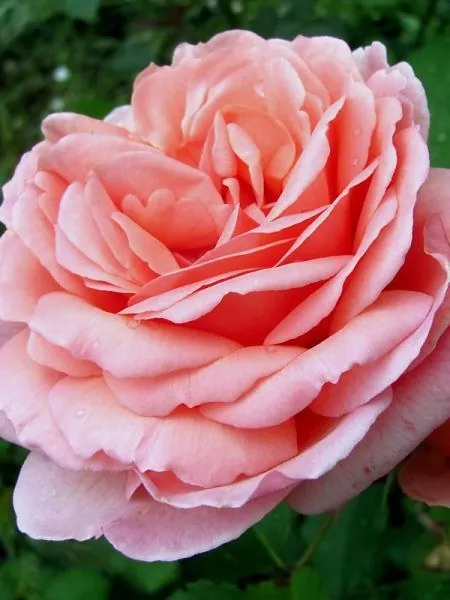
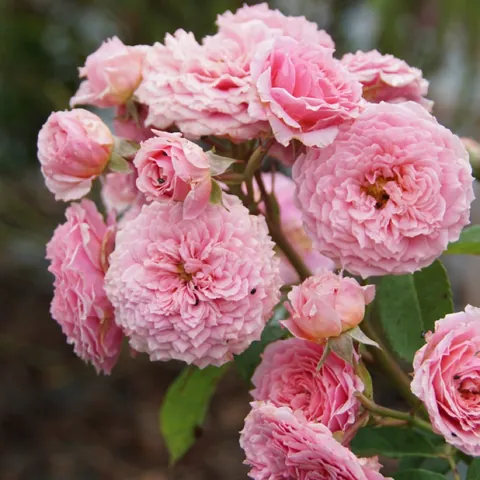
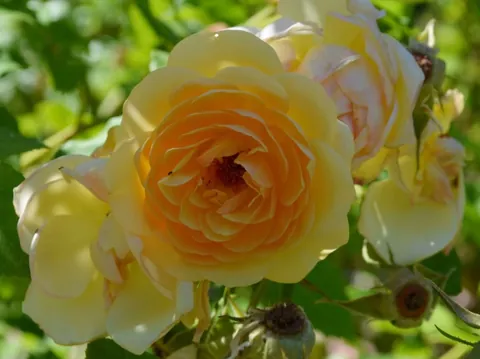
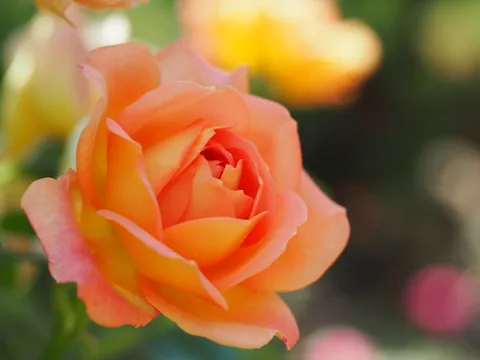





Versigny, close-up of the flower
Back to catalogue
Shrub; Generosa® Collection, mother of 'William Christie'Dominique Massad; Roseraies Pierre GuillotPink

Versigny

Salmon-pink with an orange centre (pastel) in a full cupped ruffled form; a UNIQUE 6-note fragrance: anise + apricot + peach + citrus + vanilla + almond. Named after the Château de Versigny near Paris, the site of annual garden meetings. Mother of 'William Christie'. Bred by Dominique Massad at Guillot Generosa.

Named after the Château de Versigny near Paris · parentage Graham Thomas × Davidoff

Variety profile

Flowering

Repeat flowering

Generous repeat flowering from June to October. Months are approximate, for the climate of Ukraine.

Legacy

Generosa Guillot

Mother of William Christie

Winter hardiness

−23 °C

USDA zone 6b-9b. Central and Southern Ukraine.

Compare reference temperatures

Plant size

120 × 70 cm
person 170 cm120 cm
Habit
Narrow, upright
Dimensions
120 cm tall × 70 cm wide; narrow, for small beds
Support
Not needed; self-supporting
Shoots
Medium stiffness
Branching
Moderately branched

Flower

26-40 petals
Bud shape
Round, salmon-pink
Open flower
Full cupped ruffled (very full, wavy cup-shaped): 26-40 petals
Centre
Orange centre on a salmon-pink ground
Fullness
26-40 petals (full)
Flower carriage
Singly or in small clusters

Fragrance

Moderate; anise + apricot + peach + citrus + vanilla + almond

UNIQUE 6-note combination: anise + apricot + peach + citrus + vanilla + almond in the base; one of the most complex fragrance formulas among modern varieties.

Disease resistance

4 out of 5

Good, 4/5; typical Generosa-type quality. USDA 6b–9b: central and southern Ukraine without cover; needs sun, feeding and leaf disease prevention.

Sun

Full sun

Thorns

Few
thornlessfewmoderatemanyvery many

Few thorns; typical for Generosa.

Foliage

Dark green, semi-glossy.

All characteristics in a table
Group
Shrub; Generosa® Collection, mother of 'William Christie'
Breeder
Dominique Massad; Roseraies Pierre Guillot, France
Bud shape
Round, salmon-pink
Open flower
Full cupped ruffled (very full, wavy cup-shaped): 26-40 petals
Centre
Orange centre on a salmon-pink ground
Colour
Salmon-pink with an orange centre (pastel); ARS-classification 'Orange blend'
Fullness
26-40 petals (full)
Flower carriage
Singly or in small clusters
Flowering
Generous repeat flowering from June to October
Fragrance
UNIQUE 6-note combination: anise + apricot + peach + citrus + vanilla + almond in the base; one of the most complex fragrance formulas among modern varieties
Hips
Not documented; usually cut
Habit
Narrow, upright
Branching
Moderately branched
Shoots
Medium stiffness
Thorns
Few thorns; typical for Generosa.
Dimensions
120 cm tall × 70 cm wide; narrow, for small beds
Support
Not needed; self-supporting
Foliage
Dark green, semi-glossy
Resistance
Good, 4/5; typical Generosa-type quality. USDA 6b–9b: central and southern Ukraine without cover; needs sun, feeding and leaf disease prevention
Variations of the variety
Code MASversi. Bred 1992, introduced 1998 through Roseraies Pierre Guillot. Breeder: Dominique Massad (France). Parentage disclosed: 'Graham Thomas' (Austin, WFRS HoF 2009) × 'Davidoff'®. Belongs to the Generosa® Collection. Mother of 'William Christie' (Massad/Guillot 1998)

Colour scheme

Salmon-pink with an orange centre (pastel); ARS-classification 'Orange blend'

Rose neighbours

Perennials to plant nearby

Neighbouring roses

The Generosa lineage group + warm varieties:

Companion perennials

A classic French cottage palette:

lavenderstachyslady's mantle (Alchemilla)salvia

Availability worldwide

Guillot's Generosa for fragrance gardens:

🇫🇷 France: high · home🇪🇺 Europe: moderate🇺🇸 USA: moderate🇺🇦 Ukraine: rare · collector nurseries

More about the variety

Hips
Not documented; usually cut
Variations of the variety
Code MASversi. Bred 1992, introduced 1998 through Roseraies Pierre Guillot. Breeder: Dominique Massad (France). Parentage disclosed: 'Graham Thomas' (Austin, WFRS HoF 2009) × 'Davidoff'®. Belongs to the Generosa® Collection. Mother of 'William Christie' (Massad/Guillot 1998)

How to grow

Where to plant. Near places to rest, for its 6-note fragrance; in a fragrance corner; as the middle layer of a mixed border; in 'French/Parisian' corners with a historic theme; thanks to its narrow habit, in tight compositions.

Climate. Central and Southern Ukraine without cover (USDA 6b–9b); tolerates summer heat well.

Care. Full sun; needs feeding and leaf disease prevention; feeding 3× per season; pruning ⅓ in spring.

About the name

Name. 'Versigny', after the Château de Versigny, a castle in the Oise department near Paris (France). Annual garden meetings of French rose enthusiasts were held there. A poetic tribute to the French garden-aristocratic tradition.

Breeding. Bred by Dominique Massad at Roseraies Pierre Guillot (France). Code MASversi. Bred 1992, introduced 1998. Parentage: 'Graham Thomas' (Austin, WFRS HoF 2009) × 'Davidoff'®; the parentage is disclosed, which is rare for Generosa.

Significance. A UNIQUE 6-note fragrance combination: anise + apricot + peach + citrus + vanilla + almond, one of the most complex fragrance formulas among modern roses. Mother of 'William Christie' (Massad/Guillot 1998); Versigny passed its fragrance genetics on to Christie. The parentage of Graham Thomas (WFRS HoF 2009) makes it a powerful donor parent in the genealogy. The Generosa® Collection is the French equivalent of the Austin English Roses. Salmon-apricot pastel with an orange centre. Correction: bred 1992, introduced 1998 (NOT 1994, as some sources state). No major international awards are documented; Versigny is valued above all for its complex fragrance and its genealogical role as the mother of William Christie.

Frequently asked questions about Versigny

Does Versigny need winter protection?

The cultivar’s reference temperature is −23 °C (USDA zone 6b−9b). Overwintering depends on the conditions. Central and Southern Ukraine.

How many times a season does Versigny flower?

Generous repeat flowering from June to October.

How big does Versigny grow?

About 120 cm tall, about 70 cm wide.

Which diseases affect Versigny?

Overall resistance: 4 out of 5. Typical Generosa quality.

How much sun does Versigny need?

Sun; full sun.

What does Versigny smell like?

UNIQUE 6-note combination: anise + apricot + peach + citrus + vanilla + almond in the base; one of the most complex fragrance formulas among modern varieties.

Gardeners' photos and reviews

My climate

Choose a reference temperature to compare with the cultivar’s data. This is not an overwintering forecast or advice on winter protection; consider wind, moisture and the duration of frost.

Regional data are generalised. USDA describes average annual extreme minima, not a forecast; the values in the list are rounded. Check the conditions at your site. More information: Roses in Ukraine's climate.