



Back to catalogue
Shrub; pure white, full-double, old English styleRobert Laperrière; Roses LaperrièreWhite and cream

Winter Lodge

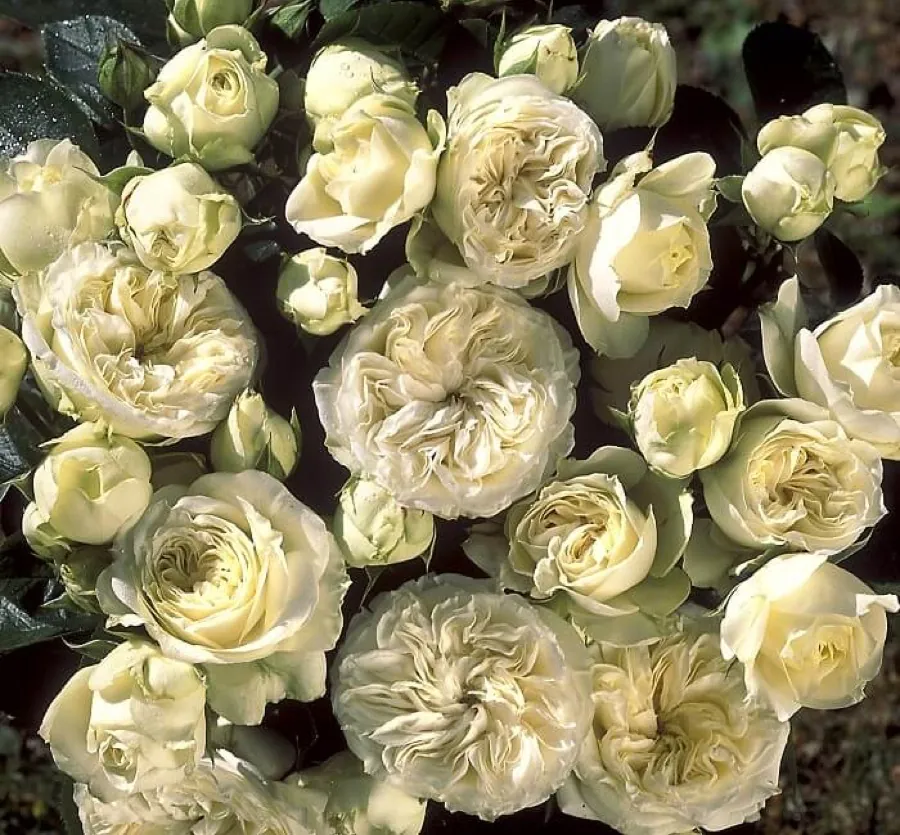
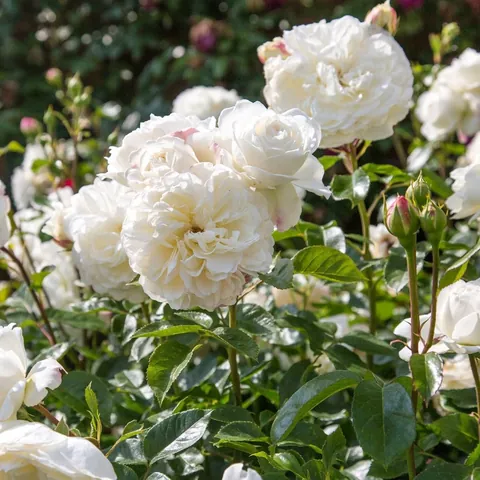
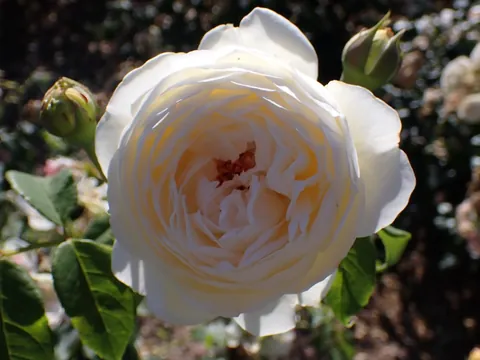
Pure white with a creamy tone towards the centre, in an old English cupped form with 41+ petals; bred by Robert Laperrière at Roses Laperrière (France); very good disease resistance and heat tolerance; rare anise-honey fragrance.

French shrub of the 2010s · very good robustness + heat tolerance

Variety profile

Flowering

Remontant, in flushes

Legacy

Laperrière

Modern French

Winter hardiness

−23 °C

USDA zone 5-9. Central / Southern Ukraine.

Compare reference temperatures

Plant size

80–100 × 60–70 cm
person 170 cm80–100 cm
Habit
Upright and compact, with dense foliage
Dimensions
80–100 cm tall × 60–70 cm wide — compact for small beds and borders
Support
Not needed — self-supporting
Shoots
Medium stiffness
Branching
Well-branched

Flower

41+ petals
Bud shape
Round, soft white
Open flower
Old English cupped full-double: 41+ petals
Centre
Densely packed, with symmetrically folded inner petals
Fullness
41+ petals (very full)
Flower carriage
Singly or in small clusters

Fragrance

Moderate; anise-honey

Moderate — anise-honey. A rare combination of two fragrances: anise and honey.

Disease resistance

4 out of 5

Very good 4/5 + heat tolerance — a rare combination. USDA ~5-9 — Central / Southern Ukraine without protection; protect the light petals from prolonged rain.

Sun

Full sun

Air circulation.

Thorns

Few
thornlessfewmoderatemanyvery many

Few thorns — typical for modern shrub roses.

Foliage

Dense dark green.

All characteristics in a table
Group
Shrub; pure white, full-double, old English style
Breeder
Robert Laperrière; Roses Laperrière, France
Bud shape
Round, soft white
Open flower
Old English cupped full-double: 41+ petals
Centre
Densely packed, with symmetrically folded inner petals
Colour
Pure white with a creamy tone towards the centre — a warm nuance in white
Fullness
41+ petals (very full)
Flower carriage
Singly or in small clusters
Flowering
Remontant, in flushes
Fragrance
Moderate — anise-honey. A rare combination of two fragrances: anise and honey
Hips
Not documented — usually removed
Habit
Upright and compact, with dense foliage
Branching
Well-branched
Shoots
Medium stiffness
Thorns
Few thorns — typical for modern shrub roses.
Dimensions
80–100 cm tall × 60–70 cm wide — compact for small beds and borders
Support
Not needed — self-supporting
Foliage
Dense dark green
Resistance
Very good 4/5 + heat tolerance — a rare combination. USDA ~5-9 — Central / Southern Ukraine without protection; protect the light petals from prolonged rain
Variations of the variety
No official code declared. Bred by 2010 through Roses Laperrière (France). Breeder: Robert Laperrière. Parentage not disclosed. NOT Hetzel, not Tantau, not Delbard (common misattributions in legacy catalogues)

Colour scheme

Pure white with a creamy tone towards the centre — a warm nuance in white

Rose neighbours

Perennials to plant nearby

Neighbouring roses

Modern white varieties for a 'moon' garden:

Companion perennials

Classic palette for a white garden:

lavenderhostalady's mantle (Alchemilla)sage

Availability worldwide

Modern French shrub, Laperrière:

🇫🇷 France: high · home country🇪🇺 Europe: moderate🇺🇸 USA: low🇺🇦 Ukraine: rare

More about the variety

Hips
Not documented — usually removed
Variations of the variety
No official code declared. Bred by 2010 through Roses Laperrière (France). Breeder: Robert Laperrière. Parentage not disclosed. NOT Hetzel, not Tantau, not Delbard (common misattributions in legacy catalogues)

How to grow

Where to plant. At the front of a mixed border with white or silver neighbours; in white or moon gardens; in small beds, thanks to its compact size; by a bench for its rare anise-honey fragrance; in hot regions, thanks to its heat tolerance; in a well-ventilated spot; protect the light petals from prolonged rain.

Climate. Central / Southern Ukraine without protection (USDA ~5-9); heat tolerance makes it good for southern regions.

Care. Full sun; moderate prevention; feed 2-3× per season; prune ⅓ in spring.

About the name

Name. 'Winter Lodge' ('winter cabin'). The poetic name conveys the feeling of warm coziness in a winter landscape: pure white like snow, and a creamy centre like a light in a cabin window. An English-language name is typical of modern French marketing varieties aimed at the international market.

Breeding. Bred by Robert Laperrière at Roses Laperrière (Saint-Damien-sur-Garema, France). Bred by 2010. Parentage not disclosed. Roses Laperrière is a family-run French nursery founded in the XX century, specialising in modern shrub roses and Old Garden Roses.

Significance. A modern French shrub from the 2010s. A rare combination of very good disease resistance and heat tolerance — good for the southern regions of Ukraine. Old English cupped form with 41+ petals, in the style of Austin English Roses. Anise-honey fragrance — a rare combination of two aromatic notes in one variety. Compact size for small beds and pots. Frequent misattributions in legacy catalogues name Hetzel, Tantau and Delbard; the true breeder is Robert Laperrière (France). No major international awards are documented — Winter Lodge is valued above all for its flower form and its combination of disease resistance with heat tolerance.

Frequently asked questions about Winter Lodge

Does Winter Lodge need winter protection?

The cultivar’s reference temperature is −23 °C (USDA zone 5−9). Overwintering depends on the conditions. Central / Southern Ukraine.

How many times a season does Winter Lodge flower?

Remontant, in flushes.

How big does Winter Lodge grow?

80–100 cm tall, 60–70 cm wide.

Which diseases affect Winter Lodge?

Overall resistance: 4 out of 5. Very good + heat tolerance.

How much sun does Winter Lodge need?

Sun; full sun; air circulation.

What does Winter Lodge smell like?

Moderate — anise-honey. A rare combination of two fragrances: anise and honey.

Gardeners' photos and reviews

My climate

Choose a reference temperature to compare with the cultivar’s data. This is not an overwintering forecast or advice on winter protection; consider wind, moisture and the duration of frost.

Regional data are generalised. USDA describes average annual extreme minima, not a forecast; the values in the list are rounded. Check the conditions at your site. More information: Roses in Ukraine's climate.