



Back to catalogue
English Shrub Rose; white sport of Mary Rose 1983David Austin; David Austin Roses, 1988White and cream

Winchester Cathedral

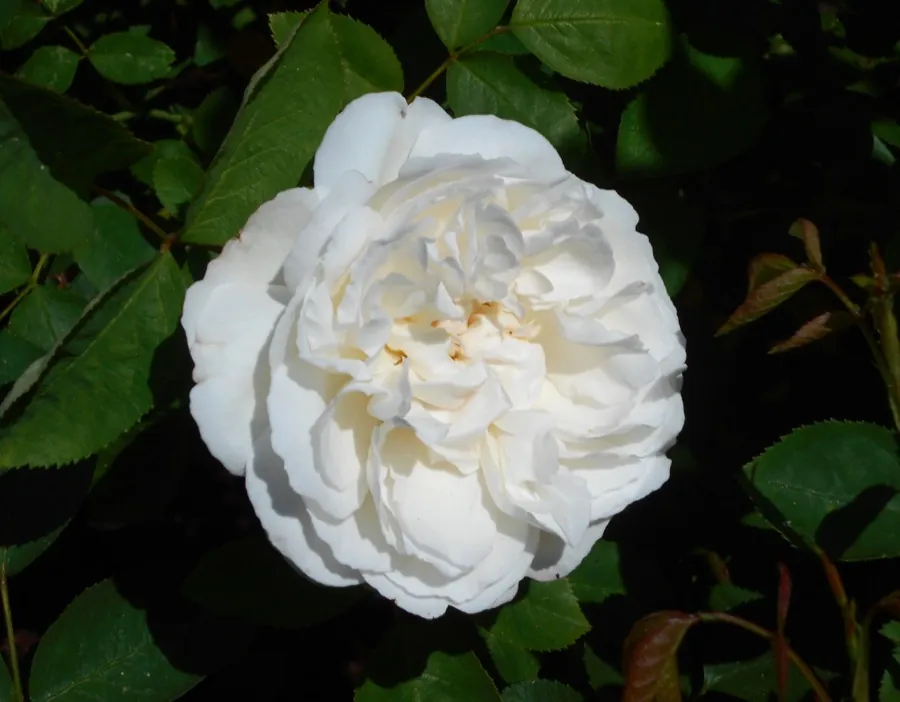
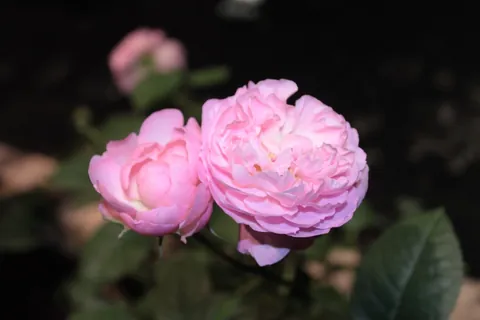
Pure white with occasional pink 'hints' — genetic instability of the sport; a sport of 'Mary Rose' (Austin AUSmary 1983); the 'memory of genetics' — flowers identical to Mary Rose (pink) occasionally appear on the bush; named after Winchester Cathedral, built in the XI-XVI centuries, where King Cnut and Jane Austen are buried.

Named after Winchester Cathedral, one of the largest Gothic cathedrals in Europe (where King Cnut and Jane Austen are buried!)

Variety profile

Flowering

Repeat flowering

Generous repeat from June to October. Months are approximate, for the climate of Ukraine.

Legacy

Sport of 'Mary Rose'

AUScat 1988

Winter hardiness

−34 °C

USDA zone 4-11. RHS H6; all of Ukraine.

Compare reference temperatures

Plant size

100–125 × 100–125 cm
person 170 cm100–125 cm
Habit
Rounded, compact — a typical Austin English Old Rose Hybrid
Dimensions
100–125 cm tall × 100–125 cm wide (per Austin: 4ft × 4ft; per RHS: up to 1 m)
Support
Not needed — self-supporting
Shoots
Medium stiffness
Branching
Well-branched

Flower

8-9 cm
Bud shape
Round white, sometimes with a pink tinge
Open flower
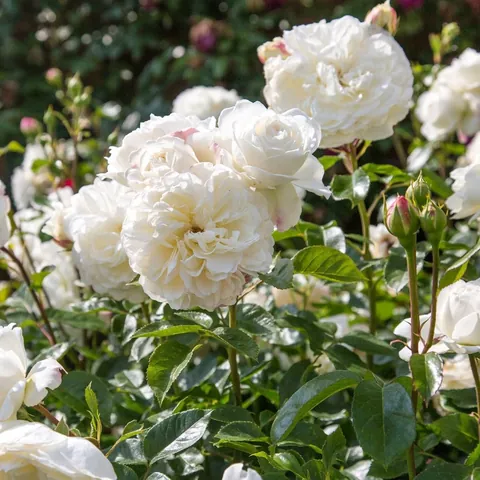
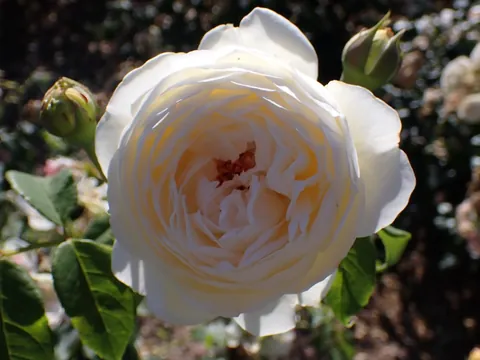
Loose-petalled rosette: 8–9 cm, ~60 petals (per Austin; rosesabc 80–85)
Centre
Stamens are visible when the flower opens
Fullness
~60 petals (full; rosesabc up to 85)
Flower carriage
Singly or in small clusters

Fragrance

Moderate; Old Rose

Disease resistance

4 out of 5

Good 4/5 — inherited from Mary Rose, easy care. USDA 4-11, RHS H6 to −20 °C — all of Ukraine without protection.

Sun

Full sun

Thorns

Few
thornlessfewmoderatemanyvery many

Few thorns — typical for Austin.

Foliage

Dark green, semi-glossy.

All characteristics in a table
Group
English Shrub Rose; white sport of Mary Rose 1983
Breeder
David Austin; David Austin Roses, United Kingdom, 1988
Bud shape
Round white, sometimes with a pink tinge
Open flower
Loose-petalled rosette: 8–9 cm, ~60 petals (per Austin; rosesabc 80–85)
Centre
Stamens are visible when the flower opens
Colour
Pure white with occasional pink 'hints': genetic instability of the sport — pink petals or fully Mary Rose-type flowers can occasionally appear. This is a 'memory of genetics', as if the bush 'remembers' its parent variety
Fullness
~60 petals (full; rosesabc up to 85)
Flower carriage
Singly or in small clusters
Flowering
Generous repeat from June to October
Fragrance
Moderate — Old Rose
Hips
Not documented — usually removed
Habit
Rounded, compact — a typical Austin English Old Rose Hybrid
Branching
Well-branched
Shoots
Medium stiffness
Thorns
Few thorns — typical for Austin.
Dimensions
100–125 cm tall × 100–125 cm wide (per Austin: 4ft × 4ft; per RHS: up to 1 m)
Support
Not needed — self-supporting
Foliage
Dark green, semi-glossy
Resistance
Good 4/5 — inherited from Mary Rose, easy care. USDA 4-11, RHS H6 to −20 °C — all of Ukraine without protection
Variations of the variety
Code AUScat. Introduced 1988. A white sport of 'Mary Rose' (Austin AUSmary 1983), confirmed by internal Austin Roses records. White petals noticeably suffer from rain — spoiled flowers should be removed after heavy rain

Colour scheme

Pure white with occasional pink 'hints': the genetic instability of the sport means that pink petals or fully Mary Rose-type flowers can occasionally appear. This is a 'memory of genetics', as if the bush 'remembers' its parent variety

Rose neighbours

Perennials to plant nearby

Neighbouring roses

White Austin roses for a 'cathedral' corner:

Companion perennials

Classic palette of a white 'monastery' garden:

lavenderhostalady's mantle (Alchemilla)sage

Availability worldwide

An Austin classic of the '80s:

🇬🇧 UK: high · Austin's home country🇪🇺 Europe: moderate🇺🇸 USA: high🇺🇦 Ukraine: rare · collector nurseries

More about the variety

Hips
Not documented — usually removed
Variations of the variety
Code AUScat. Introduced 1988. A white sport of 'Mary Rose' (Austin AUSmary 1983), confirmed by internal Austin Roses records. White petals noticeably suffer from rain — spoiled flowers should be removed after heavy rain

How to grow

Where to plant. In white or moon gardens in the Sissinghurst style; as the mid-ground of a mixed border; next to Mary Rose for a dramatic mother–daughter effect; in a 'cathedral' / Gothic corner with spiritual symbolism; after rain, remove spoiled flowers.

Climate. All of Ukraine without protection (USDA 4-11, RHS H6); copes well with summer heat; white petals suffer noticeably from rain.

Care. Full sun; moderate prevention; feed 2-3× per season; prune ⅓ in spring; deadheading is important for a second flush.

About the name

Name. 'Winchester Cathedral' — after Winchester Cathedral in the city of Winchester (Hampshire, England). One of the largest Gothic cathedrals in Europe, built from 1079 to 1532 (453 years!). King Cnut the Great (ruler of England, Denmark and Norway, 1016–1035) and the writer Jane Austen (1775–1817) are buried there. A poetic tribute to English Gothic architecture.

Breeding. Bred by David Austin at David Austin Roses. Code AUScat. Introduced 1988. A white sport of 'Mary Rose' (Austin AUSmary 1983), confirmed by internal Austin Roses records.

Significance. The 'memory of genetics' — because of the instability of the sport, flowers identical to the parent 'Mary Rose' (pink) occasionally appear on a single bush, as if the rose 'remembers' its genetic history. This makes it a favourite of collectors and historians. One of the best-known Austin-sport varieties. USDA 4-11 — all of Ukraine without protection. Inherited hardiness of Mary Rose — easy care. The literary name of Winchester Cathedral, with the burial of Jane Austen, makes it ideal for 'literary' corners. No RHS AGM (despite the myth) — the parent, Mary Rose, has an AGM, but Winchester Cathedral itself does not. No other official awards — HMF states 'No awards known'. White petals noticeably suffer from rain — a typical problem of white roses.

Frequently asked questions about Winchester Cathedral

Does Winchester Cathedral need winter protection?

The cultivar’s reference temperature is −34 °C (USDA zone 4−11). Overwintering depends on the conditions. RHS H6; all of Ukraine.

How many times a season does Winchester Cathedral flower?

Generous repeat from June to October.

How big does Winchester Cathedral grow?

100–125 cm tall, 100–125 cm wide.

Which diseases affect Winchester Cathedral?

Overall resistance: 4 out of 5. Inherited from Mary Rose; easy care.

How much sun does Winchester Cathedral need?

Sun; full sun.

What does Winchester Cathedral smell like?

Moderate — Old Rose.

Gardeners' photos and reviews

My climate

Choose a reference temperature to compare with the cultivar’s data. This is not an overwintering forecast or advice on winter protection; consider wind, moisture and the duration of frost.

Regional data are generalised. USDA describes average annual extreme minima, not a forecast; the values in the list are rounded. Check the conditions at your site. More information: Roses in Ukraine's climate.