


Back to catalogue
Hybrid TeaMichel Adam / NIRP, 2013Pink

Amour de Molène

Named after the Breton musician Didier Squiban; gold medal and Fragrance Cup at Lyon 2013; ‘Most Beautiful French Rose’ 2013.

NIRPARFUM line — fragrant roses from NIRP

Variety profile

Flowering

Repeat, in flushes

Repeat-flowering in flushes, from May to the first frosts. Months are approximate, for the climate of Ukraine.

Awards

Lyon 2013

Gold + Fragrance Cup + “Most Beautiful French Rose” · Warsaw 2020 (Merit)

Winter hardiness

−15 °C

Southern and central Ukraine; in the north — with winter protection. South and centre of Ukraine · in the north with winter protection.

Compare reference temperatures

Plant size

100–120 × 40–60 cm
person 170 cm100–120 cm
Habit
Upright, vigorous
Dimensions
100–120 cm tall × 40–60 cm wide
Support
No support needed — a free-standing bush
Shoots
Vigorous, straight
Branching
Good

Flower

≈ 15 cm

70–130 petals.

Bud shape
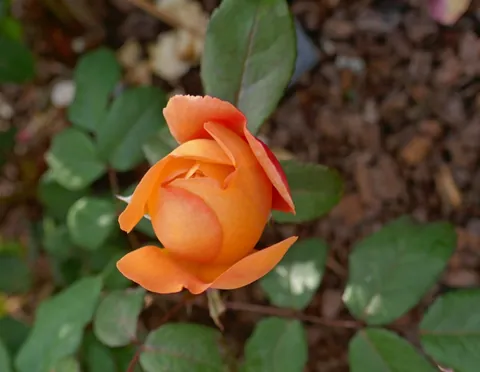
Full, globular-cupped
Open flower
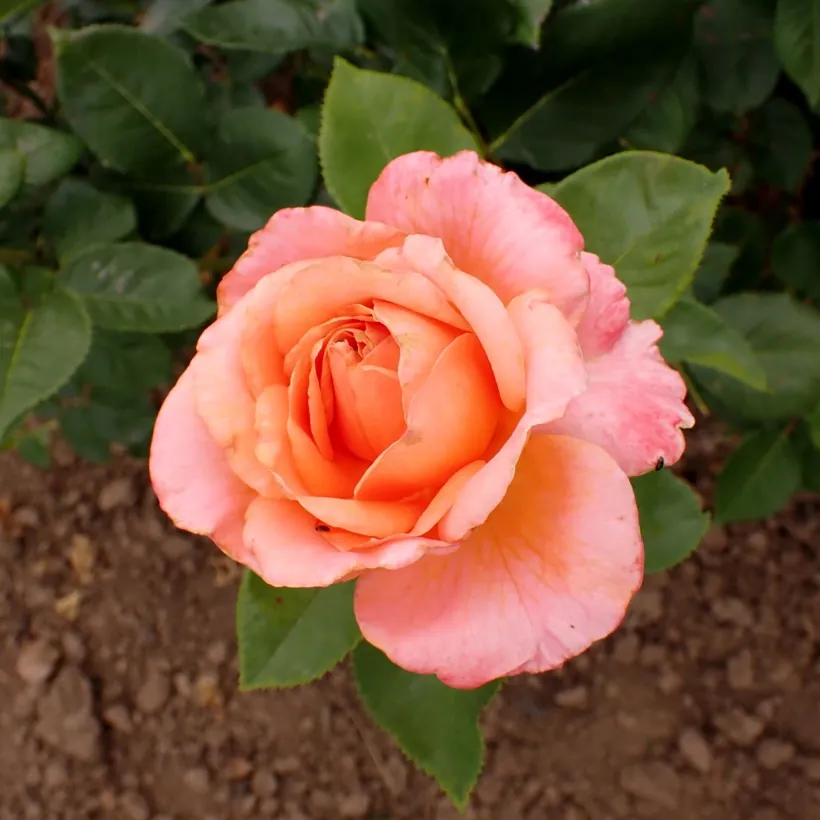
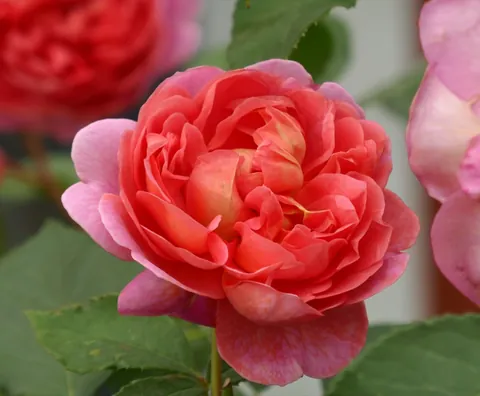
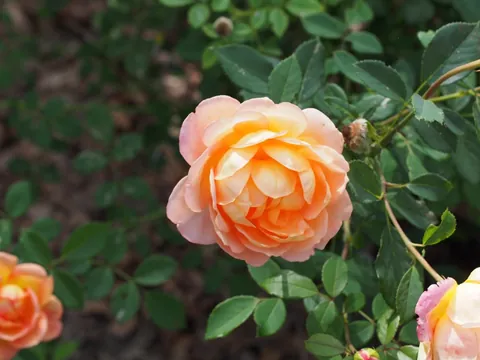
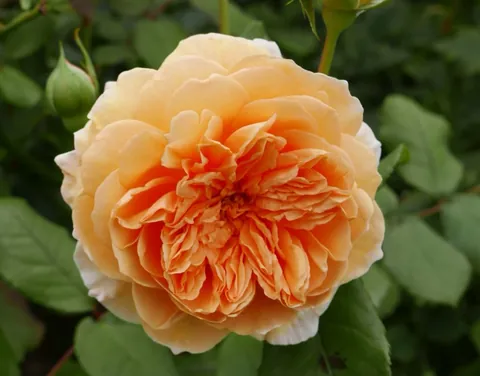
Large, old-rose shaped, slightly cupped, very double; diameter about 15 cm
Centre
Dense, packed with petals
Fullness
Very double, 70–130 petals
Flower carriage
Mostly singly, sometimes in small clusters

Fragrance

Strong; rich classic rose (old-rose fragrance)

Strong — a rich classic rose scent, ‘the scent of an old rose’; awarded the Fragrance Cup at Lyon 2013.

Disease resistance

4 out of 5
Black spotresistant

Good; noted in particular for black spot resistance.

Sun

Full sun

For the garden and for cutting; holds the flower shape well.

Thorns

Moderate
thornlessfewmoderatemanyvery many

. Moderate prickliness, as in most Hybrid Teas.

Foliage

Large, dark green, semi-glossy.

Other names

Breeder's code ADAruocal.

All characteristics in a table
Group
Hybrid Tea
Breeder
Michel Adam / NIRP, France, 2013
Bud shape
Full, globular-cupped
Open flower
Large, old-rose shaped, slightly cupped, very double; diameter about 15 cm
Centre
Dense, packed with petals
Colour
Salmon-orange blend: bright, with a pink tint; with age it softens to warm pink-salmon
Fullness
Very double, 70–130 petals
Flower carriage
Mostly singly, sometimes in small clusters
Flowering
Repeat-flowering in flushes, from May to the first frosts
Fragrance
Strong — a rich classic rose scent, ‘the scent of an old rose’; awarded the Fragrance Cup at Lyon 2013
Hips
Usually not left on the bush — spent blooms are removed
Habit
Upright, vigorous
Branching
Good
Shoots
Vigorous, straight
Thorns
. Moderate prickliness, as in most Hybrid Teas.
Dimensions
100–120 cm tall × 40–60 cm wide
Support
No support needed — a free-standing bush
Foliage
Large, dark green, semi-glossy
Resistance
Good; noted in particular for black spot resistance
Variations of the variety
Part of the NIRPARFUM fragrance line; no sports recorded

Colour scheme

Salmon-orange blend: bright, with a pink tint; with age it softens to warm pink-salmon

Rose neighbours

Perennials to plant nearby

Neighbouring roses

Salmon, coral and apricot varieties keep the same warm “southern” mood around Amour de Molène.

Perennial companions

Blue-purple flowers give a clean contrast to the warm salmon-orange:

catmint (Nepeta)salvia ‘Caradonna’Perovskiaveronica

Contrasting accents

Blue spires and a silvery “smoke” add depth to the warm palette:

DelphiniumNepeta Six Hills GiantPerovskia

More about the variety

Hips
Usually not left on the bush — spent blooms are removed
Variations of the variety
Part of the NIRPARFUM fragrance line; no sports recorded

How to grow

Where to plant. In a mid-height mixed border, a formal bed, or near seating areas — for its strong fragrance. The large flower is also lovely as a cut flower.

Climate. Southern and central Ukraine — no winter cover needed; in the north, cover for winter.

Care. Full sun, rich soil; feeding twice a season; removing spent blooms encourages new flushes.

About the name

Name. Dedicated to the French (Breton) pianist Didier Squiban, who draws inspiration from the island of Molène (Île-Molène) in the Ouessant archipelago. The play on words ‘Amour de Molène’ (‘love of Molène’) is intentional: there is a Breton song of the same name with the line ‘Mon plus bel amour vient de Molène’.

Breeding. Bred by Michel Adam (Liffré, Brittany), introduced by NIRP International; already in existence by 2013. Patent code: ADAruocal. The parent forms are not published.

Meaning. A flagship fragrant French rose. In 2013 in Lyon it won a gold medal, a Fragrance Cup and the title ‘Most Beautiful French Rose’; in 2020 it received a Certificate of Merit in Warsaw.

Frequently asked questions about Amour de Molène

Does Amour de Molène need winter protection?

The cultivar’s reference temperature is −15 °C. Overwintering depends on the conditions. Southern and central Ukraine; in the north — with winter protection.

How many times a season does Amour de Molène flower?

Repeat-flowering in flushes, from May to the first frosts.

How big does Amour de Molène grow?

100–120 cm tall, 40–60 cm wide.

Which diseases affect Amour de Molène?

Overall resistance: 4 out of 5. Good; noted for black spot resistance.

How much sun does Amour de Molène need?

Full sun; for the garden and for cutting; holds the flower shape well.

What does Amour de Molène smell like?

Strong — a rich classic rose scent, ‘the scent of an old rose’; awarded the Fragrance Cup at Lyon 2013.

Gardeners' photos and reviews

My climate

Choose a reference temperature to compare with the cultivar’s data. This is not an overwintering forecast or advice on winter protection; consider wind, moisture and the duration of frost.

Regional data are generalised. USDA describes average annual extreme minima, not a forecast; the values in the list are rounded. Check the conditions at your site. More information: Roses in Ukraine's climate.