


Back to catalogue
Climbing Hybrid TeaEugene Boerner, 1949Pink

Aloha

US PP 948 (1950); the classic Aloha; not to be confused with Aloha Hawaii (Kordes 2003) and cut-flower Aloha (Kordes ~2012) — these are separate varieties.

Iconic twentieth-century climber

Variety profile

Flowering

Once-flowering

Repeat flowering in flushes: May–June – August–September — a breakthrough in 1949, when most climbers flowered only once. Months are approximate, for the climate of Ukraine.

Scent

Strong apple

The variety's signature note — apple fragrance

Winter hardiness

−26 °C

USDA zone 5b–9b. All of Ukraine; northern Polissia — with the base protected.

Compare reference temperatures

Plant size

250–300 × 120–240 cm
person 170 cm250–300 cm
Habit
A vigorous climber with straight, stiff canes
Dimensions
2.5–3 m tall × 1.2–2.4 m wide; some sources give up to 3.5 m
Support
Yes — it needs a mandatory support: arch, pergola, trellis, post; it can also be trained as a very large shrub
Shoots
Long, stiff, straight — work well on an arch, pergola or tall trellis
Branching
Strong; abundant annual growth of basal canes

Flower

≈ 12.5 cm

50–55 petals.

Bud shape
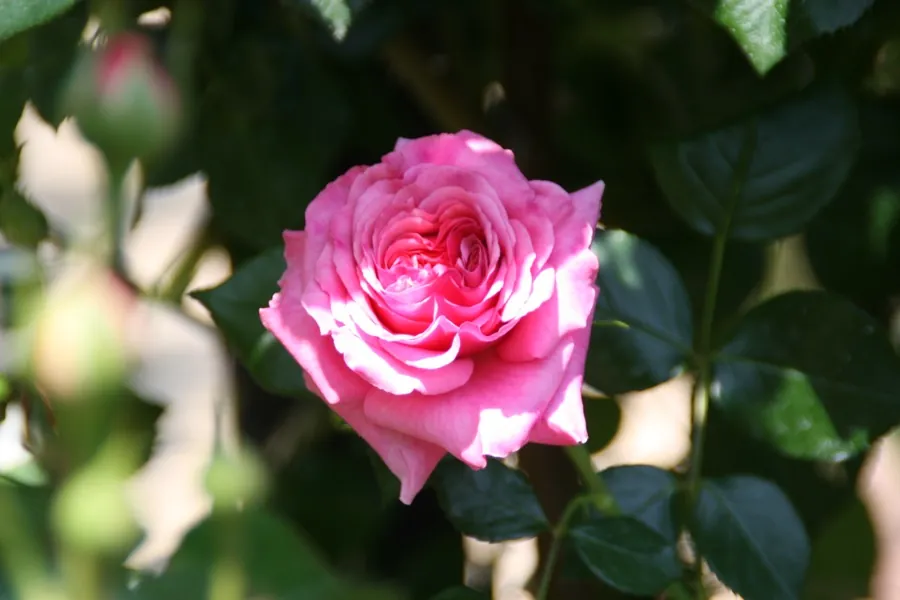
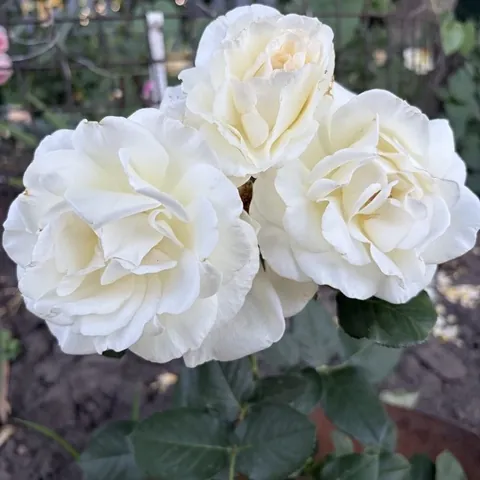
Large, round, deep coral-pink; the reverse of the petal is darker
Open flower
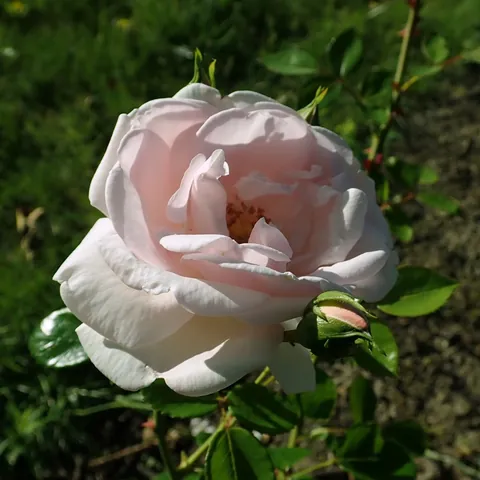
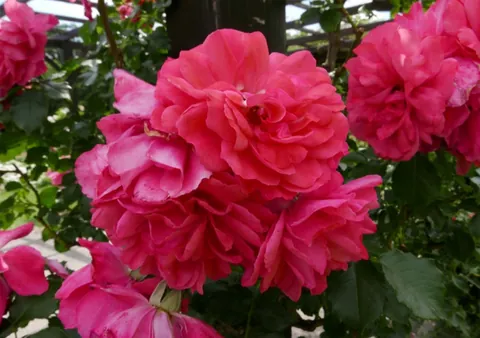
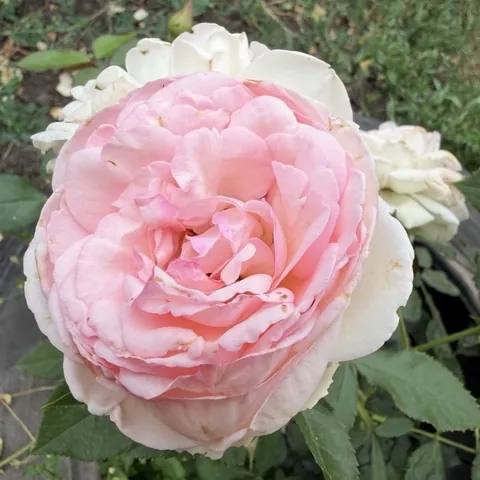
Large cupped and quartered, in the style of old roses; diameter ~12.5 cm
Centre
Dense, 'cabbage-like'; multi-layered petals layer deeply
Fullness
Very double, 50–55 petals (very full)
Flower carriage
Often in small clusters; flowers mostly borne singly or 1–3 per stem

Fragrance

Strong

Strong, with a pronounced apple note — the variety's hallmark.

Disease resistance

4 out of 5
Black spotresistant

High against black spot; tolerant of rain and partial shade (a rare trait for a climber).

Sun

Sun or partial shade

Rare for a climber — flowers well in partial shade.

Thorns

Moderate
thornlessfewmoderatemanyvery many

Moderate number of thorns; the exact number is not quantified in open sources.

Foliage

Large, dark green, glossy, leathery.

All characteristics in a table
Group
Climbing Hybrid Tea
Breeder
Eugene Boerner, 1949
Bud shape
Large, round, deep coral-pink; the reverse of the petal is darker
Open flower
Large cupped and quartered, in the style of old roses; diameter ~12.5 cm
Centre
Dense, 'cabbage-like'; multi-layered petals layer deeply
Colour
Rich rose-coral; the reverse of the petal is darker (magenta-pink); the flower has a two-tone effect
Fullness
Very double, 50–55 petals (very full)
Flower carriage
Often in small clusters; flowers mostly borne singly or 1–3 per stem
Flowering
Repeat flowering in flushes: May–June – August–September — a breakthrough in 1949, when most climbers flowered only once
Fragrance
Strong, with a pronounced apple note — the variety's hallmark
Habit
A vigorous climber with straight, stiff canes
Branching
Strong; abundant annual growth of basal canes
Shoots
Long, stiff, straight — work well on an arch, pergola or tall trellis
Thorns
Moderate number of thorns; the exact number is not quantified in open sources.
Dimensions
2.5–3 m tall × 1.2–2.4 m wide; some sources give up to 3.5 m
Support
Yes — it needs a mandatory support: arch, pergola, trellis, post; it can also be trained as a very large shrub
Foliage
Large, dark green, glossy, leathery
Resistance
High against black spot; tolerant of rain and partial shade (a rare trait for a climber)

Colour scheme

Saturated rose-coral; the reverse of the petal is darker (magenta-pink); the flower has a two-tone effect

Rose neighbours

Perennials to plant nearby

Neighbouring roses

Classic climbing roses in close pink-coral tones — for a cottage style:

Perennials and clematis

A classic partner for a cottage garden — purple-violet clematis twine up the same support, and at the base a lavender-purple carpet:

Clematis 'Etoile Violette'Clematis 'The President'Clematis 'Jackmanii'lavendercatmintlady's mantledark-leaved heucheras

Contrasting accents

White climbers and dark raspberry ones for a dramatic play of tones on one support:

Iceberg ClimbingMme Alfred CarrièreDon Juan (dark raspberry)

How to grow

Where to plant. Arches, pergolas, tall trellises, house façades, fences up to 3 m. Because of its strong apple scent, plant it near an entrance, terrace or open window so you can enjoy the fragrance. It can also be trained as a very large shrub without vertical support.

Climate. Hardy to −26 °C; in USDA zone 5b (northern Polissia) — with the base protected. In the Forest-Steppe and Steppe it overwinters reliably without protection.

Care. Each spring, hard pruning of young canes and removal of old 5–6-year-old canes. Tie long canes in horizontally for abundant flowering along their full length. Preventive treatment against fungal diseases is minimal — the variety is resistant.

About the name

Name. 'Aloha' — a Hawaiian word meaning greeting, farewell and love all at once. Eugene Boerner and the firm Jackson & Perkins often gave varieties 'tropical' names in the postwar years as a sign of a new peaceful era. No direct documentation is known of who or what the rose was dedicated to.

Breeding. Bred by the American breeder Eugene S. Boerner in 1949 for Jackson & Perkins Co. (Newark, New York State). Parentage: 'Mercedes Gallart' × 'New Dawn'. Granted plant patent US PP 948 (13 June 1950).

Significance. An iconic XX century climbing rose. In 1949 Aloha was a breakthrough: one of the first climbers with repeat flowering rather than once-only blooming — this revolutionised the use of climbing roses in the garden. Valued for reliability, strong apple scent, and tolerance of partial shade and rain. A classic element of English cottage gardens and historic rose collections.

Frequently asked questions about Aloha

Does Aloha need winter protection?

The cultivar’s reference temperature is −26 °C (USDA zone 5b–9b). Overwintering depends on the conditions. All of Ukraine; northern Polissia — with the base protected.

How many times a season does Aloha flower?

Repeat flowering in flushes: May–June – August–September — a breakthrough in 1949, when most climbers flowered only once.

How big does Aloha grow?

250–300 cm tall, 120–240 cm wide.

Which diseases affect Aloha?

Overall resistance: 4 out of 5. High; resistant to black spot, tolerant of rain.

How much sun does Aloha need?

Sun or partial shade; rare for a climber — flowers well in partial shade.

What does Aloha smell like?

Strong, with a pronounced apple note — the variety's hallmark.

Gardeners' photos and reviews

My climate

Choose a reference temperature to compare with the cultivar’s data. This is not an overwintering forecast or advice on winter protection; consider wind, moisture and the duration of frost.

Regional data are generalised. USDA describes average annual extreme minima, not a forecast; the values in the list are rounded. Check the conditions at your site. More information: Roses in Ukraine's climate.