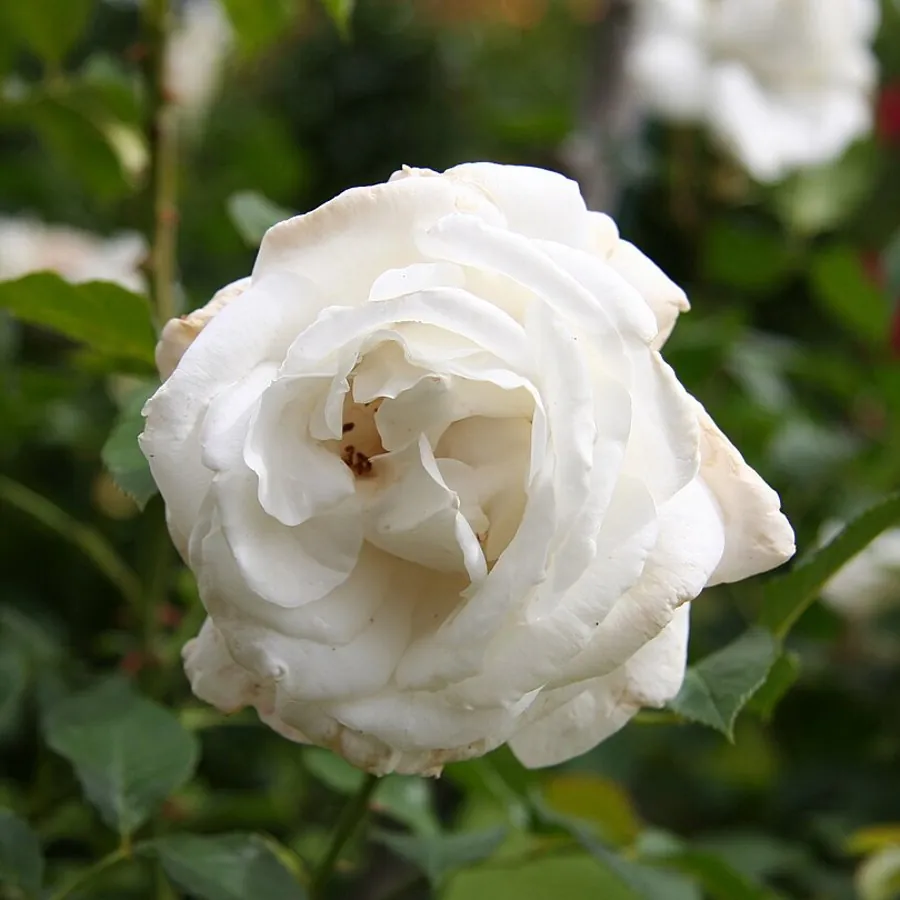

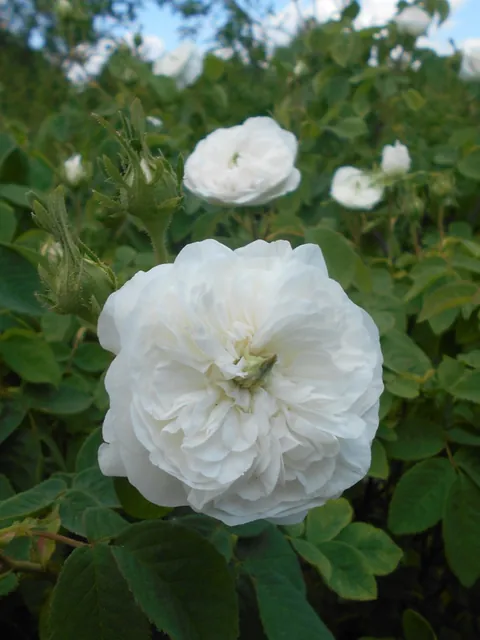
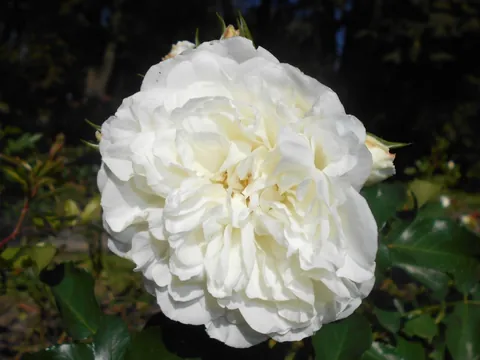
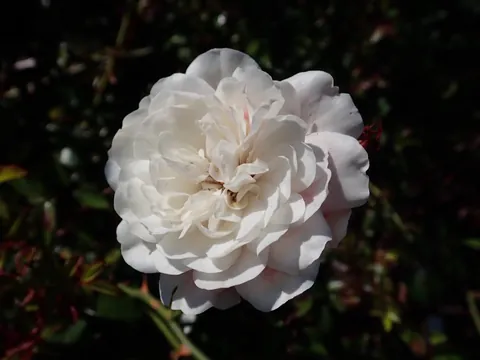
Annapurna, close-up of the flower
Photo: Georges Seguin, CC BY-SA 3.0
Back to catalogue
Hybrid TeaDorieux, 2000White and cream

Annapurna

Pure white with a rich perfume; the ‘snow of Annapurna’; awards for its fragrance.

Variety profile

Flowering

Repeat flowering

Repeat-flowering, continuous from May to the frosts. Months are approximate, for the climate of Ukraine.

Awards

Fragrance

Awarded at international fragrance competitions (Baden-Baden and others)

Winter hardiness

−20 °C

USDA zone 6b+. South: no protection needed; centre and north: with winter cover.

Compare reference temperatures

Plant size

80–110 × 40–50 cm
person 170 cm80–110 cm
Habit
Upright, bushy
Dimensions
80–110 cm tall × 40–50 cm wide
Support
No support needed
Shoots
Sturdy, straight
Branching
Good

Flower

≈ 9 cm

20–40 petals.

Bud shape
White, classic Hybrid Tea
Open flower
Classic high-centred form; diameter about 9 cm
Fullness
About 20–40 petals (sources vary)
Flower carriage
Solitary, one flower per stem

Fragrance

Strong, honey-violet

Strong — rich honey, with notes of violet and tea rose; the variety's main asset.

Disease resistance

2.5 out of 5
Black spotsusceptible

Medium (≈2.5/5) — prone to black spot; needs preventive care.

Sun

Full sun

Tolerates both rain and heat; the white holds, and only the edges turn beige with age.

Thorns

Moderate
thornlessfewmoderatemanyvery many

. Moderate number (precise data are scarce).

Foliage

Dark green.

Other names

Neige Parfum
All characteristics in a table
Group
Hybrid Tea
Breeder
Dorieux, France, 2000
Bud shape
White, classic Hybrid Tea
Open flower
Classic high-centred form; diameter about 9 cm
Colour
Pure white (‘snow of Annapurna’); buds white, sometimes with a creamy tint; outer petals fade only slightly creamy-beige at the edges — no pink whatsoever
Fullness
About 20–40 petals (sources vary)
Flower carriage
Solitary, one flower per stem
Flowering
Repeat-flowering, continuous from May to the frosts
Fragrance
Strong — rich honey, with notes of violet and tea rose; the variety's main asset
Hips
Forms decorative hips in autumn
Habit
Upright, bushy
Branching
Good
Shoots
Sturdy, straight
Thorns
. Moderate number (precise data are scarce).
Dimensions
80–110 cm tall × 40–50 cm wide
Support
No support needed
Foliage
Dark green
Resistance
Medium (≈2.5/5) — prone to black spot; needs preventive care
Variations of the variety
Code DORblan; synonym Neige Parfum; parentage not disclosed

Colour scheme

Pure white (‘snow of Annapurna’); buds white, sometimes with a creamy tint; the outer petals fade only slightly creamy-beige at the edges as they age — no pink whatsoever

Rose neighbours

Perennials to plant nearby

Neighbouring roses

Other pure-white garden varieties keep one snowy mood:

Perennial companions

Small white, green and silver flowers and foliage make a classic companion palette for white bouquets and “moon” gardens:

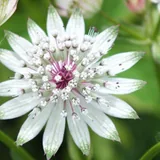
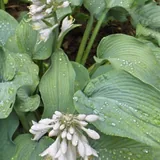
astrantia ‘Roma’hosta ‘Patriot’veronicastrum ‘Album’heuchera ‘Silver Scrolls’

Variety features

What makes this rose worth growing:

Rich perfume fragranceFragrance awardsRain- and heat-tolerant

More about the variety

Hips
Forms decorative hips in autumn
Variations of the variety
Code DORblan; synonym Neige Parfum; parentage not disclosed

How to grow

Where to plant. Fragrance gardens and formal beds, cut flowers, a specimen beside a bench or an entrance where the scent can be enjoyed.

Climate. USDA 6b and warmer; southern Ukraine — no protection needed; central and northern Ukraine — winter cover. Tolerant of rain and heat; suited to warm climates.

Care. A sunny, airy position; essential prevention of black spot; spring pruning; feeding; water at the root.

About the name

Name. ‘Annapurna’, after the mountain of that name, one of the most dangerous eight-thousanders in the Himalayas; the pure white colour recalls its snowy summit.

Breeding. Bred by the French house Dorieux (François Dorieux II) around 2000; the parentage is not disclosed.

Meaning. A modern white Hybrid Tea valued above all for its powerful fragrance, which is why it has been honoured at international competitions.

Frequently asked questions about Annapurna

Does Annapurna need winter protection?

The cultivar’s reference temperature is −20 °C (USDA zone 6b+). Overwintering depends on the conditions. South: no protection needed; centre and north: with winter cover.

How many times a season does Annapurna flower?

Repeat-flowering, continuous from May to the frosts.

How big does Annapurna grow?

80–110 cm tall, 40–50 cm wide.

Which diseases affect Annapurna?

Overall resistance: 2.5 out of 5. 2.5 / 5; prone to black spot — needs preventive care.

How much sun does Annapurna need?

Sun; full sun; tolerates both rain and heat; the white holds, and only the edges turn beige with age.

What does Annapurna smell like?

Strong — rich honey, with notes of violet and tea rose; the variety's main asset.

Gardeners' photos and reviews

My climate

Choose a reference temperature to compare with the cultivar’s data. This is not an overwintering forecast or advice on winter protection; consider wind, moisture and the duration of frost.

Regional data are generalised. USDA describes average annual extreme minima, not a forecast; the values in the list are rounded. Check the conditions at your site. More information: Roses in Ukraine's climate.