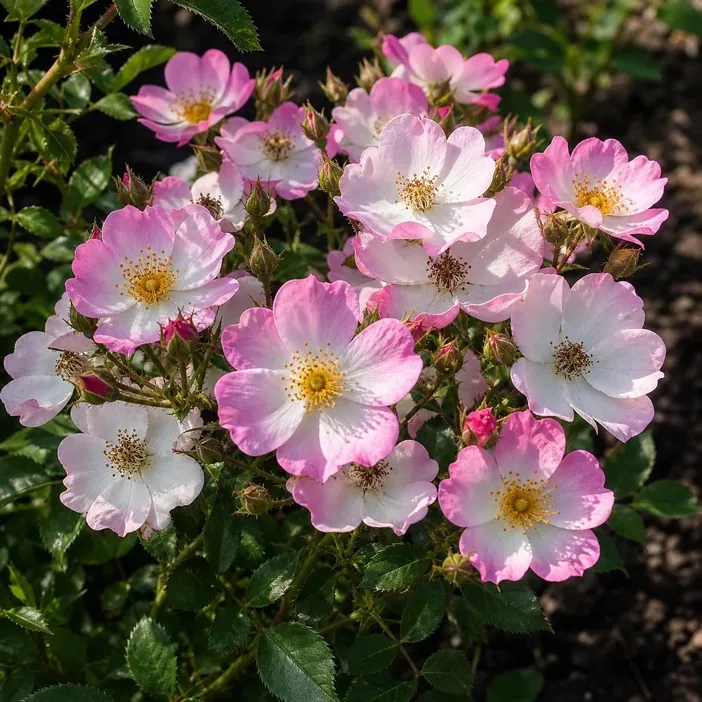
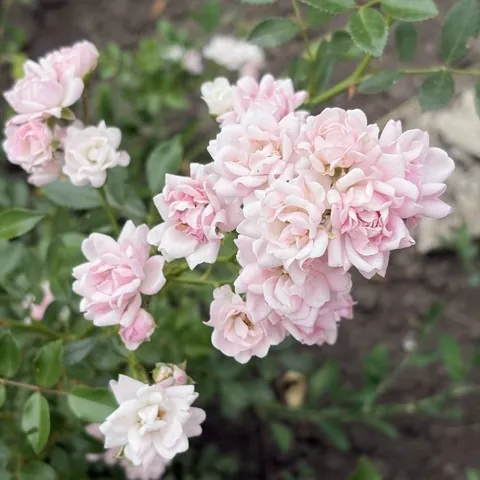
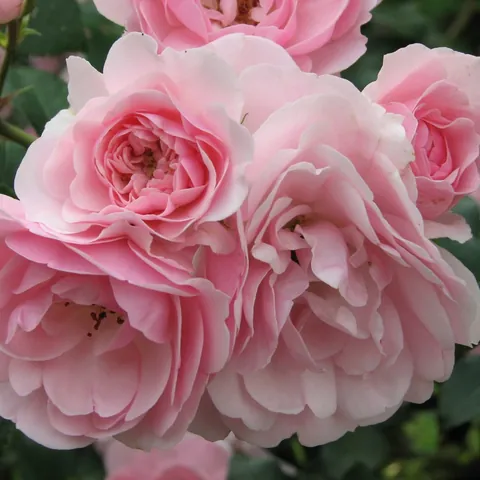
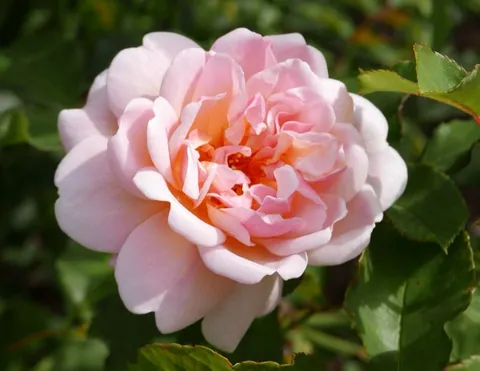


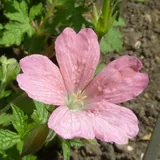

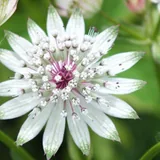
Ballerina, close-up of the flower
Back to catalogue
Hybrid MuskBentall, 1937Pink

Ballerina

Pemberton Hybrid Musk; RHS Award of Garden Merit; a benchmark of 'cloud-like' flowering in huge clusters.

Shrub · park rose · shade-tolerant

Variety profile

Flowering

Repeat flowering

One long continuous flush from June until the frosts. Months are approximate, for the climate of Ukraine.

Awards

RHS AGM

Award of Garden Merit · 'Excellent' HelpMeFind (99 votes)

Winter hardiness

−34 °C

USDA zone 4a–10b. All of Ukraine, no cover needed.

Compare reference temperatures

Plant size

90–185 × 75–150 cm
person 170 cm90–185 cm
Habit
Rounded, sprawling, 'cloud-like'
Dimensions
90–185 cm tall × 75–150 cm wide
Support
No support needed — the bush is self-supporting and keeps an arching shape
Shoots
Thin, flexible
Branching
Dense, arching

Flower

≈ 5 cm

5 petals.

Bud shape
Small, pink, elongated
Open flower
Simple, open, like an apple blossom; diameter about 5 cm
Centre
White with golden stamens
Fullness
Minimal — simple (single, 5 petals)
Flower carriage
In huge umbel-like clusters of 40–100 flowers at once — like a hydrangea inflorescence

Fragrance

Light

Light, musky — the signature trait of Hybrid Musks.

Disease resistance

3 out of 5
Black spotsusceptible

Moderate — prone to black spot (typical of old varieties), but it flowers very abundantly despite this.

Sun

Sun + partial shade

A rare shade tolerance among roses — in partial shade the pink is richer.

Thorns

Few
thornlessfewmoderatemanyvery many

Almost thornless — a rare trait for this species.

Foliage

Small, light green, matt.

All characteristics in a table
Group
Hybrid Musk
Breeder
Bentall, 1937
Bud shape
Small, pink, elongated
Open flower
Simple, open, like an apple blossom; diameter about 5 cm
Centre
White with golden stamens
Colour
Shifts from warm pink at the edge to a white 'eye' at the centre
Fullness
Minimal — simple (single, 5 petals)
Flower carriage
In huge umbel-like clusters of 40–100 flowers at once — like a hydrangea inflorescence
Flowering
One long continuous flush from June until the frosts
Fragrance
Light, musky — the signature trait of Hybrid Musks
Hips
Small orange decorative hips if not cut off
Habit
Rounded, sprawling, 'cloud-like'
Branching
Dense, arching
Shoots
Thin, flexible
Thorns
Almost thornless — a rare trait for this species.
Dimensions
90–185 cm tall × 75–150 cm wide
Support
No support needed — the bush is self-supporting and keeps an arching shape
Foliage
Small, light green, matt
Resistance
Moderate — prone to black spot (typical of old varieties), but it flowers very abundantly despite this
Variations of the variety
In partial shade the pink tone is richer

Colour scheme

Shifts from warm pink at the edge to a white 'eye' at the centre

Rose neighbours

Perennials to plant nearby

Neighbouring roses

Other gentle landscape varieties keep one 'cottage style' around Ballerina.

Perennial companions

Blue-violet flowers and chartreuse foliage — a typical cottage palette of the English garden:

catmintcranesbill 'Rozanne'lady's mantlegreater masterwort

Contrasting accents

For vertical rhythm — foxglove spikes and yellow tiered whorls:

Digitalis purpureaVerbascumPhlomis russeliana

More about the variety

Hips
Small orange decorative hips if not cut off
Variations of the variety
In partial shade the pink tone is richer

How to grow

Where to plant. Ideal for a cottage-style garden, a natural garden, woodland edges, a low hedge, and the front of large mixed borders. Tolerates partial shade — a rarity among roses.

Climate. All of Ukraine, from the Carpathians to Crimea; needs no cover — one of the hardiest roses (USDA 4a).

Care. Minimal — prune by 1/3 in spring; removing spent trusses encourages a second flush.

About the name

Name. 'Ballerina' — a ballerina, a nod to the lightness and airiness of the cloud-like flowering in huge clusters.

Breeding. Bred by Ann & John Bentall in 1937 (Ann Bentall was the widow and pupil of the famous Joseph Pemberton, creator of the school of Hybrid Musks). Parentage unknown (the Bentall records were lost). A classic Pemberton Hybrid Musk.

Meaning. Dancing lightness and movement — one of the best-known Hybrid Musk roses of the twentieth century, awarded the RHS Award of Garden Merit. For more than 85 years it has remained in active use in cottage gardens across Europe.

Frequently asked questions about Ballerina

Does Ballerina need winter protection?

The cultivar’s reference temperature is −34 °C (USDA zone 4a–10b). Overwintering depends on the conditions.

How many times a season does Ballerina flower?

One long continuous flush from June until the frosts.

How big does Ballerina grow?

90–185 cm tall, 75–150 cm wide.

Which diseases affect Ballerina?

Overall resistance: 3 out of 5. Prone to black spot, but flowers despite it — typical of old varieties.

How much sun does Ballerina need?

Sun + partial shade; a rare shade tolerance among roses — in partial shade the pink is richer.

What does Ballerina smell like?

Light, musky — the signature trait of Hybrid Musks.

Gardeners' photos and reviews

My climate

Choose a reference temperature to compare with the cultivar’s data. This is not an overwintering forecast or advice on winter protection; consider wind, moisture and the duration of frost.

Regional data are generalised. USDA describes average annual extreme minima, not a forecast; the values in the list are rounded. Check the conditions at your site. More information: Roses in Ukraine's climate.